Why SMS-Based Two-Factor Authentication Is a Security Risk and What to Use Instead.

The Security Vulnerabilities of SMS-Based 2FA
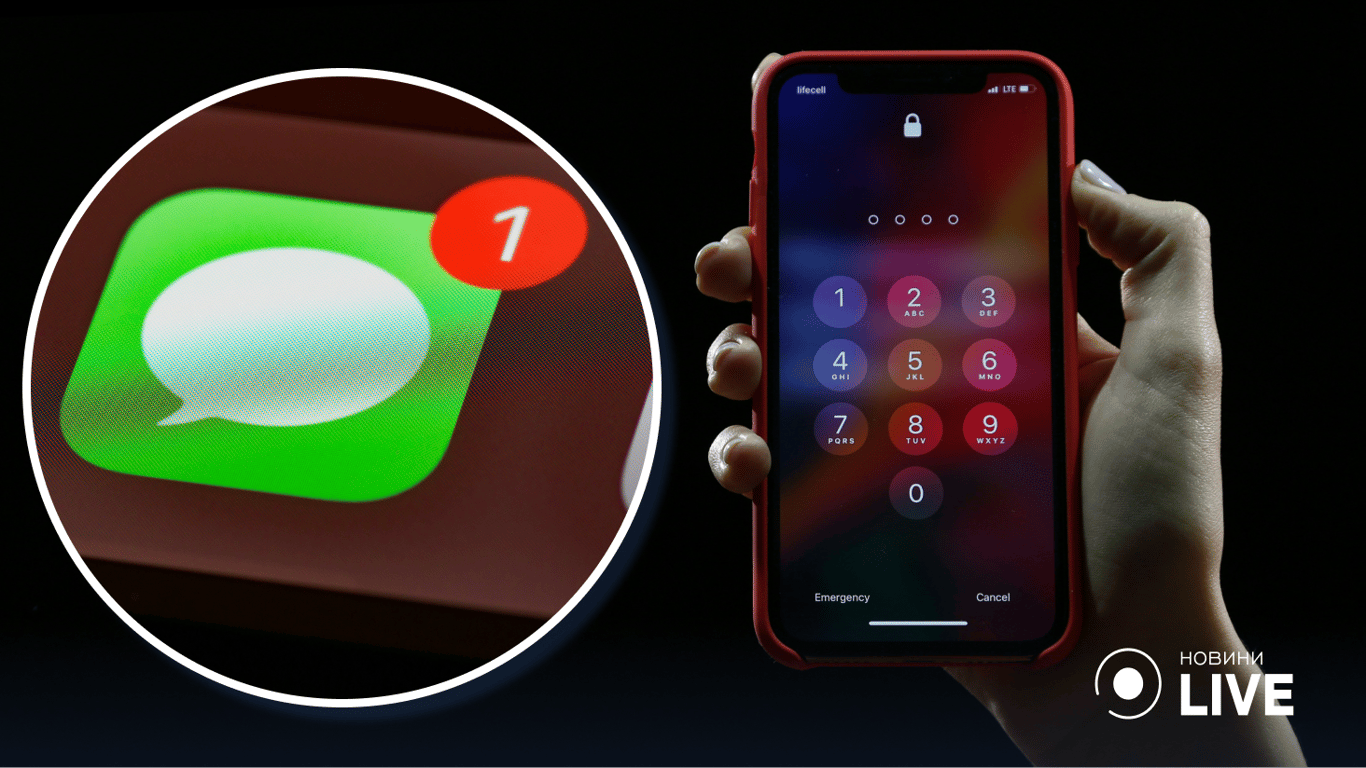
According to Novyny.live: Relying on text messages for two-factor authentication (2FA) introduces significant security weaknesses stemming from both technological flaws and human factors. SMS messages lack end-to-end encryption, making them susceptible to interception. Furthermore, the SS7 signaling protocols that handle SMS traffic are themselves vulnerable to attack, which can lead to a complete security breach.
A primary threat is SIM-swapping, a technique that allows attackers to hijack a victim's phone number and receive their 2FA codes. This means even security-conscious users can fall victim to fraud through manipulation of their mobile account. Additionally, SMS codes can be delayed or fail to arrive entirely, potentially locking users out of their own accounts.
More Secure Alternatives to SMS Authentication
To significantly improve account security, it is strongly advised to move away from SMS-based 2FA. More robust alternatives include:
- Authenticator apps that generate time-based one-time passwords (TOTP)
- Passkeys
- Physical security keys
These methods provide a far higher level of protection and mitigate the risks inherent in the SMS system.
As cyber threats continue to evolve, user awareness of these SMS vulnerabilities is critical. Switching to more secure authentication methods greatly reduces the likelihood of account compromise. This is especially important for individuals handling sensitive data or using financial services, where security is paramount. Many major tech companies and security experts now actively discourage the use of SMS for 2FA due to these well-documented risks.
Read also
- Google to Build America's Largest Solar Farm: 2.5 GW Facility to Power Data Centers
- Turn Your Old Phone Into a Smart Display: Inside the New ScreenWall Web Platform
- Speed Record Set by Bombardier Global 8000: Los Angeles to Farnborough in Just 8 Hours 46 Minutes
- A New Augmented Reality Platform Lets You Read and Build 3D Comics
- How Artificial Intelligence Is Unlocking Billions in Real Estate Value
- Ukraine’s Air Defense Gets a Boost: New 'Hot Dog' Drone Takes Down Over 300 Targets