Europe Embraces Solar Fencing: How Much Power Can It Generate?.

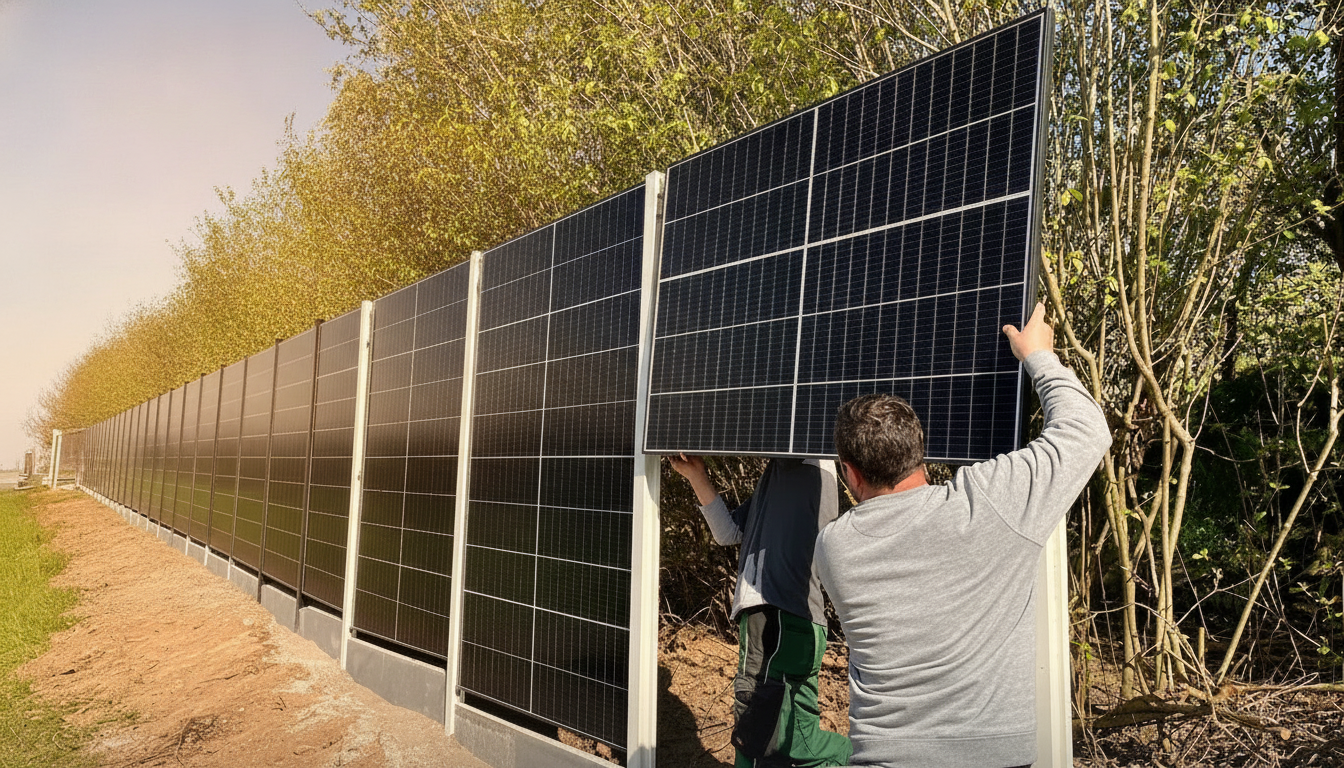
Solar Panels Take on a New Role Across Europe
According to Novyny.live: In Europe, solar panels are no longer limited to rooftops—they are now being installed as garden fences. This innovation helps cut fossil fuel costs and accelerates the shift to renewable energy, especially amid the ongoing conflict in Iran. Since the start of the war, solar energy in the region has saved €12.8 billion, averaging €136 million per day.
Why Are Solar Panels Gaining Popularity?
What is driving the growing interest in solar panels across Europe? One major factor is the significant reduction in fossil fuel expenses, which has become critical during global conflicts. However, that is not the only reason. An outdated electrical grid is holding back clean energy projects by roughly €100 billion, pushing the search for innovative alternatives.
What makes solar fencing advantageous? A typical solar fence can produce between 100 and 150 watts per linear meter. For a 10-meter wall, this translates to 1 to 1.5 kW of power. Such systems can generate 5 to 7.5 kWh of electricity daily, making them practical for household use.
How much does a solar fence cost? Vertical photovoltaic systems start at around €250. Installation costs can be recouped within eight years, which appeals to many consumers. German company Next2Sun has already completed 479 solar fence projects across six European countries, with a total structure length of roughly 10 kilometers.
As a result, adopting solar panels in the form of fences opens up new pathways for energy independence in European nations and supports the transition to renewable energy sources.
This approach to using solar panels could significantly reduce Europe's reliance on imported fossil fuels, particularly relevant amid geopolitical tensions. Moreover, the growth of solar energy creates new jobs and drives innovation in the energy sector, potentially boosting the region's overall economy.
Read also
- A New Augmented Reality Platform Lets You Read and Build 3D Comics
- How Artificial Intelligence Is Unlocking Billions in Real Estate Value
- Ukraine’s Air Defense Gets a Boost: New 'Hot Dog' Drone Takes Down Over 300 Targets
- Windows That Generate Power Even at Night: A New Solar Innovation
- GE Aerospace’s Hybrid-Electric Aircraft Reaches 30,000 Feet in Key Test Flight
- Kyiv Officially Launches 5G: Coverage Areas and Speed Details Revealed