What the US Partial Easing of Sanctions on Belarus Means for Ukraine.

Limited Rollback of Restrictions on Belarus
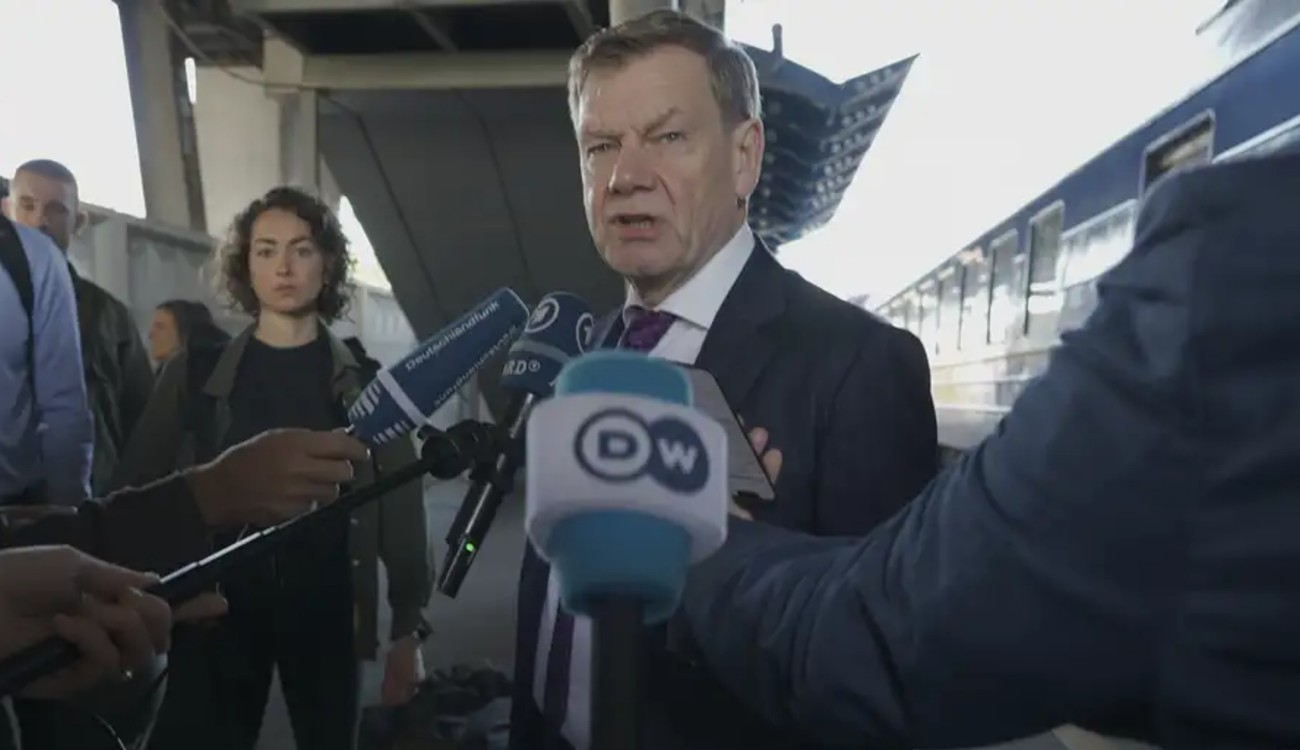
According to UATV: U.S. President's Special Representative John Coole has announced a partial lifting of restrictions on Belarus, though European Union sanctions remain in place. Coole's visit to Minsk marked a key step in diplomatic efforts to ease regional tensions.
EU Sanctions and Their Impact
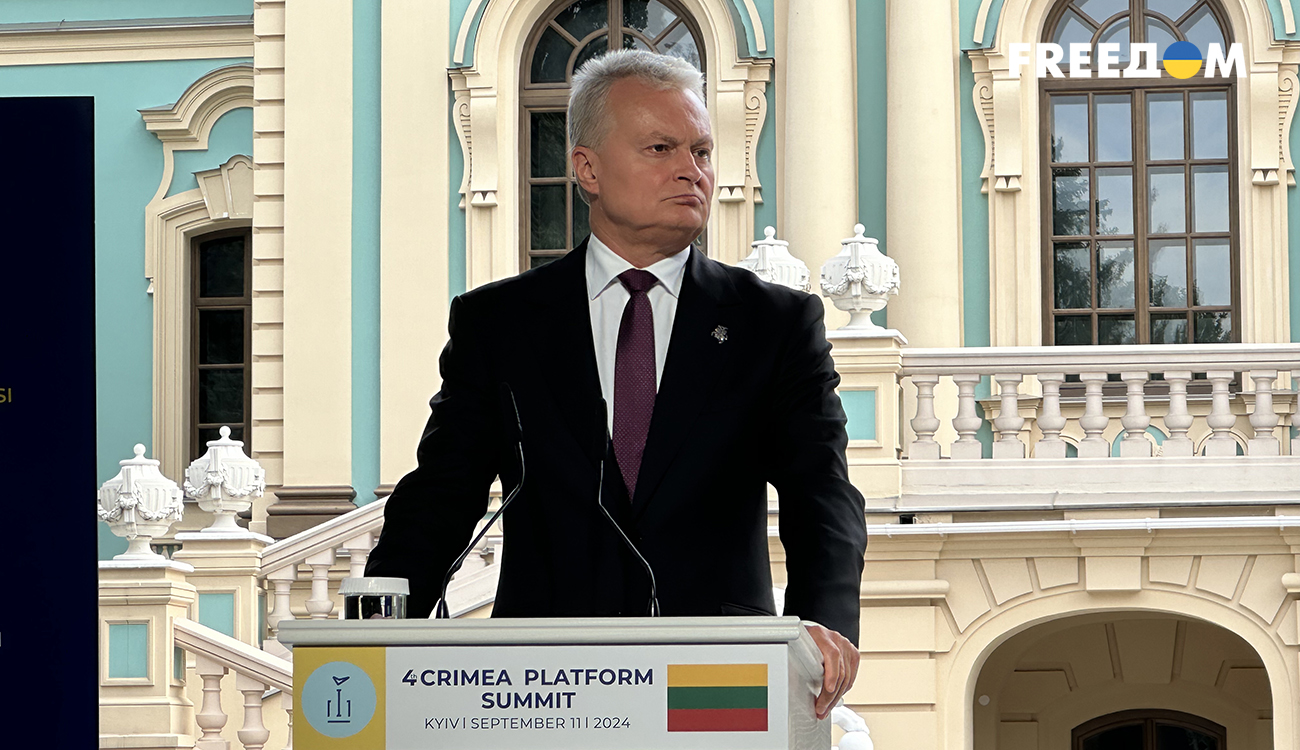
EU sanctions against Belarus remain unchanged, as confirmed by Lithuanian President Gitanas Nausėda, who noted they were extended for 12 months. He emphasized that the European Union's policy is 'crystal clear' and based on the principle that both Russia and its close ally Belarus bear responsibility for events in Ukraine. Nausėda also stated that the sanctions are applied to pressure the aggressor amid the ongoing war in Ukraine.
Ukrainian President Volodymyr Zelenskyy views the partial lifting of sanctions on Belarus as a 'weakening of pressure on these countries.' This development may signal a shift in U.S. foreign policy approaches toward Belarus and Russia, but European sanctions remain a crucial tool for pressuring the aggressor.
The situation highlights the complexity of international relations in the context of the war in Ukraine and Belarus's role as a Russian ally. Washington's partial easing of sanctions could be an attempt to explore new diplomatic solutions, but the continued EU restrictions show that the international community remains concerned about the aggressive actions of Russia and its partners. How this unfolds may significantly affect regional stability and the global order.
Read also
- NATO Warned of Potential Russian Provocations in Poland and the Baltics: Key Details
- Kremlin Plot Fears: Lithuania and Poland Warn of Russian Provocations
- Lithuania Sees Surge in Army Volunteers as President Naučėdas Warns of Russian Provocations
- Lithuania Receives Intelligence on Potential Kinetic Strikes Against Infrastructure: Nausėda on Defense Measures
- NATO Broadens Baltic Air Policing Mission’s Scope: What It Means for Russian Aircraft
- NATO Revamps Baltic Air Policing Mission After Russian Drone Incident: Key Changes Ahead