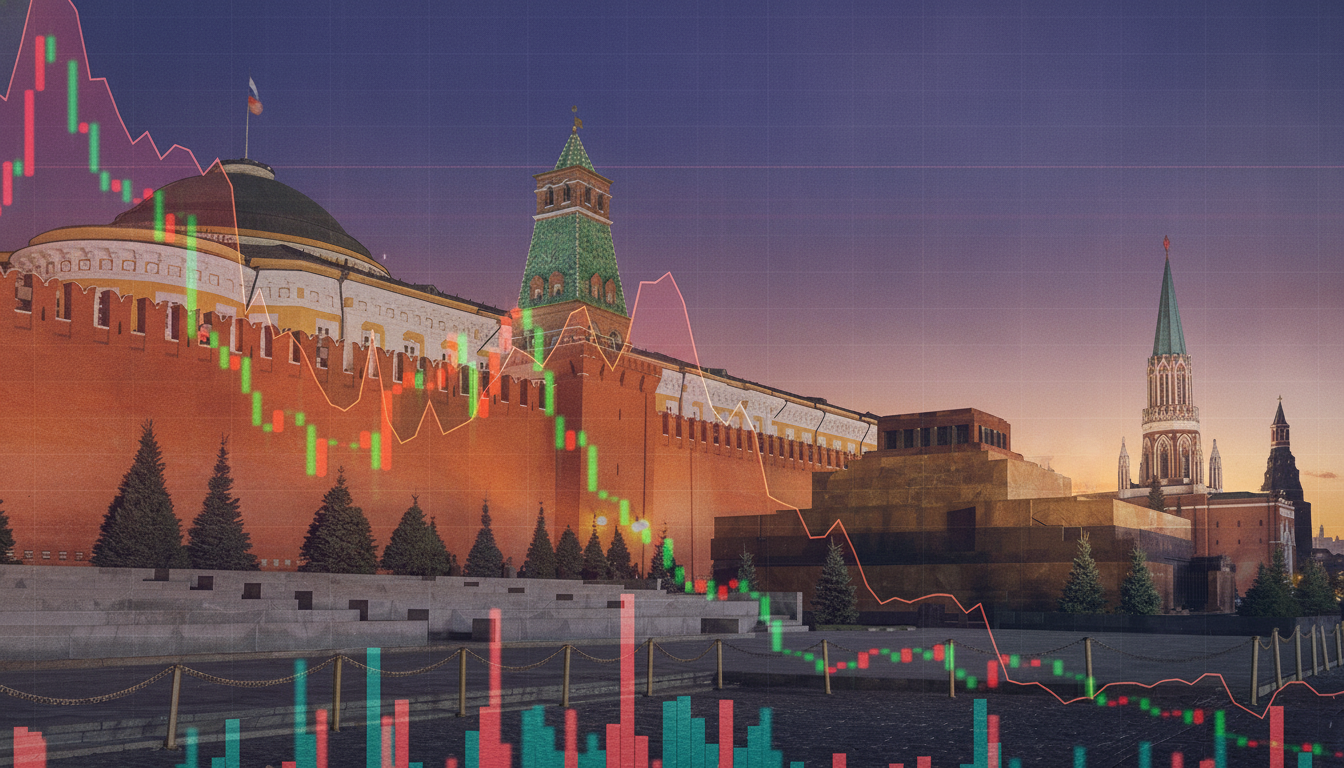
Iran's Strait Blockade Forces U.S. to Temporarily Ease Russian Oil Sanctions.

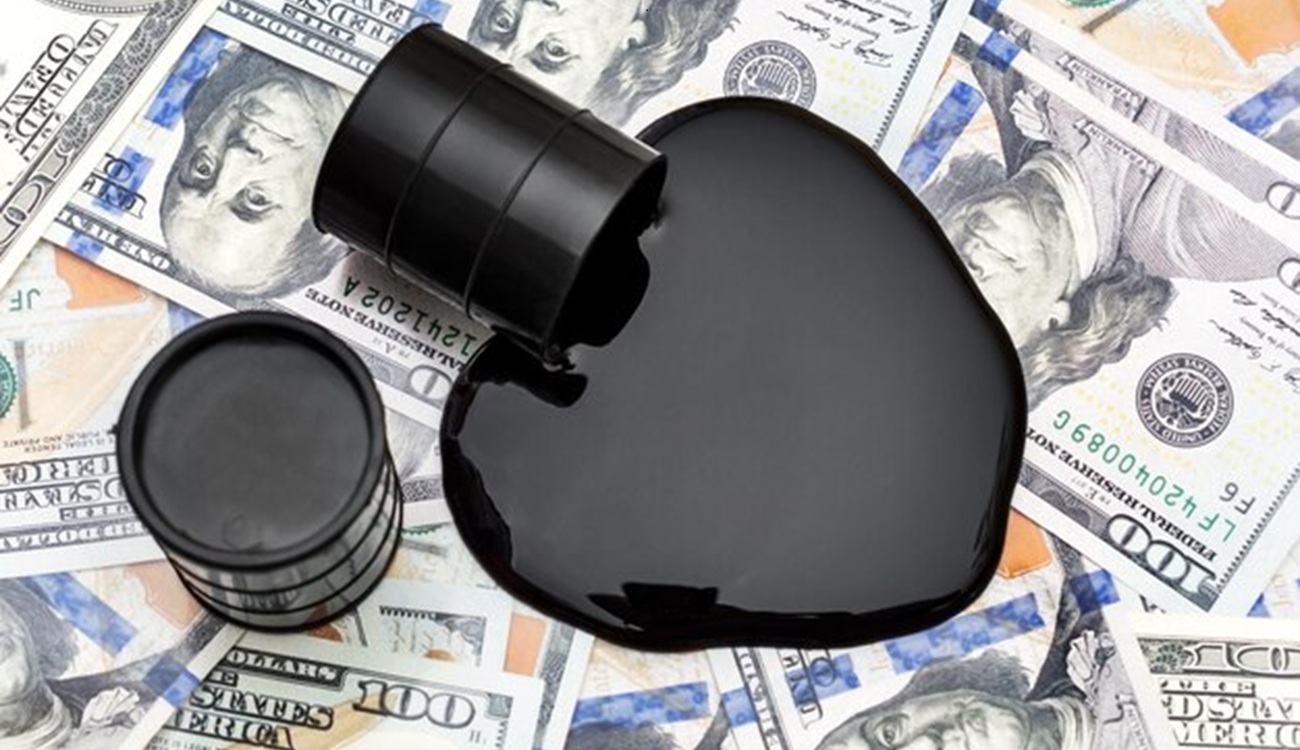
Global Energy Markets Under Pressure as U.S. Adjusts Sanctions on Russian Oil
According to UATV: In response to Iran's blockade of the Strait of Hormuz—a chokepoint through which roughly 20% of the world's oil passes—the United States has temporarily lifted restrictions on the purchase of Russian crude. From March 12 to April 11, third countries are permitted to buy Russian oil without facing U.S. penalties. The move aims to stabilize global energy markets that have been strained by supply disruptions linked to the blockade. This decision marks a strategic pivot for Washington, which typically enforces strict sanctions on Moscow's energy exports.
The situation in the Strait of Hormuz, a vital maritime corridor for international oil trade, has reached a critical point. Disruption of this route threatens severe interruptions in energy supply, which could drive up oil prices and affect related products. In response to these challenges, Russia plans to expand its shadow fleet by adding approximately 80 tankers, enabling it to maintain a certain level of oil exports despite existing sanctions.
Expert Opinions and Reactions to the U.S. Decision
Energy expert Scott Bessent commented on the decision: 'This narrowly tailored, short-term measure applies only to oil already in transit and will not provide significant financial benefit to the Russian government.'
Thus, while the U.S. has permitted the purchase of Russian oil, the move is unlikely to substantially boost Russia's financial resources. Debate continues over the policy's implications. Friedrich Merz offered his view: 'We consider this wrong. Right now, the issue is one of prices, not volumes.' This indicates that not all experts agree with Washington's approach to the current crisis.
Ukrainian President Volodymyr Zelenskyy also weighed in: 'To achieve real security and lasting peace, it is necessary to overcome the blockade of the European Union's 20th sanctions package against Russia.' His remarks underscore the importance of maintaining a robust sanctions regime against Russia to ensure long-term international security.
Portuguese Prime Minister António Costa noted that 'the top priority is to ensure the continuity of energy flows.' This highlights the global effort to find ways to maintain stability in the energy sector amid new geopolitical challenges.
In summary, the U.S. decision to temporarily exempt Russian oil from sanctions represents an attempt to address the crisis triggered by the Strait of Hormuz blockade. This policy has drawn mixed reactions from the international community and underscores the complexity of energy issues in modern global politics. While the U.S. seeks to stabilize the market, the measure is expected to have only a limited impact on Russia's economy and the broader energy strategies of other nations.
Read also
- Ukrainian Drone Strikes Hit Four Russian Vessels and 13 Substations: What It Signals
- Russia Spent Days Preparing Kyiv Attack, Zelensky Says
- Ukraine’s Strikes Trigger Fuel Crisis as Russia Loses 40% of Oil Refining Capacity
- Zelenskyy Urgently Calls for More Air Defense Missiles After Ukraine Downs 18 Rockets and 100 Drones
- Ukraine’s ‘MoLoChKa’ Campaign Cripples Russian Logistics and Hits 172 Vessels
- Military Strategy Meeting: Zelenskyy Reviews Frontline Defenses with Top Commanders