Why the World's Top Oil Producer, the US, Cannot Achieve Energy Independence.

The Quest for US Energy Independence
According to Vox - Загальний: The United States has pursued the goal of energy independence since the 1970s, driven by its reliance on imported oil. Former President Donald Trump championed a policy of 'energy dominance.' Yet, despite becoming the world's largest producer of crude oil, the nation remains vulnerable to global price shocks. This enduring vulnerability stems from its deep integration into the international oil market.
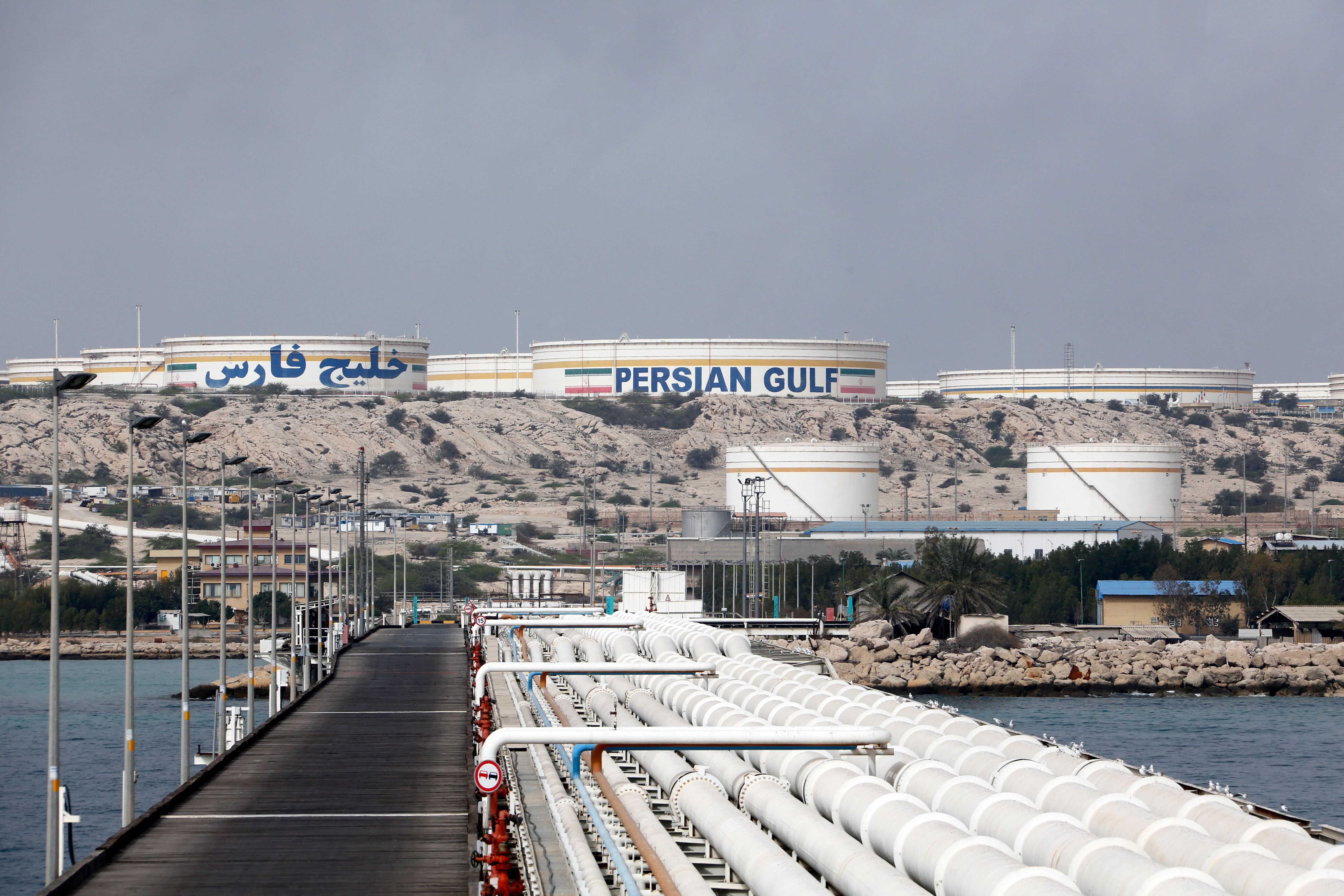
While the US now leads the world in oil production, the average price for a gallon of gasoline has reached $3.25, causing concern for consumers. The last time oil prices surged this rapidly was in March 2022, following Russia's invasion of Ukraine. A key chokepoint in the global oil economy is the Strait of Hormuz, through which flows 20% of the world's oil consumption. This highlights how external factors continue to impact the US, as the country's domestic production does not insulate it from international market dynamics.
Challenges for Energy Policy
Furthermore, the US Strategic Petroleum Reserve is currently filled to less than 60% of its capacity. This low level could pose significant challenges if the country faces further price shocks, limiting a key tool for market stabilization.
Donald Trump: 'So if we have a little bit of high oil prices for a little while, but as soon as that's over, prices will drop, I think, lower than even before.'
However, as energy expert Samantha Gross notes, 'Every president gets criticized when they use it because people come out and say, 'Oh, that's political, and he's just trying to bring down gasoline prices.'' The use of the reserve is often viewed through a partisan lens.
The issue of energy independence remains pressing for the US as it continues to grapple with external challenges linked to oil imports and price volatility. This underscores the complex reality that achieving complete energy self-sufficiency is extraordinarily difficult, even for the top producer.
The US situation reflects broader global trends in the oil economy, where factors like geopolitical conflict and energy policy significantly sway markets. Given rising oil prices and international market instability, it is crucial for the US to keep developing strategies to reduce import dependence, including through investment in renewable energy sources and energy conservation technologies.
Read also
- Trump Threatens Tariffs Against Canada Over Wildfires: Here’s What We Know
- Is Putin's Army Ready for a New War? Kadyrov Urges Russia to Strike NATO
- Trump to Attend 2026 World Cup Final in New Jersey: Argentina Faces Spain
- New Anti-Russia Sanctions Advance in U.S. Congress: Inside the Daines Amendment
- Trump Backs Late Senator Graham’s Sister in Her Bid for a U.S. Senate Seat
- White House Teleprompter Operator Made Over $100,000 Betting on Trump’s Speeches: Investigation Reveals