US Interception of Russian 'Shadow Fleet' Tanker Raises Stakes for Global Oil Shipping.

Mounting Pressure on Vessels in International Waters
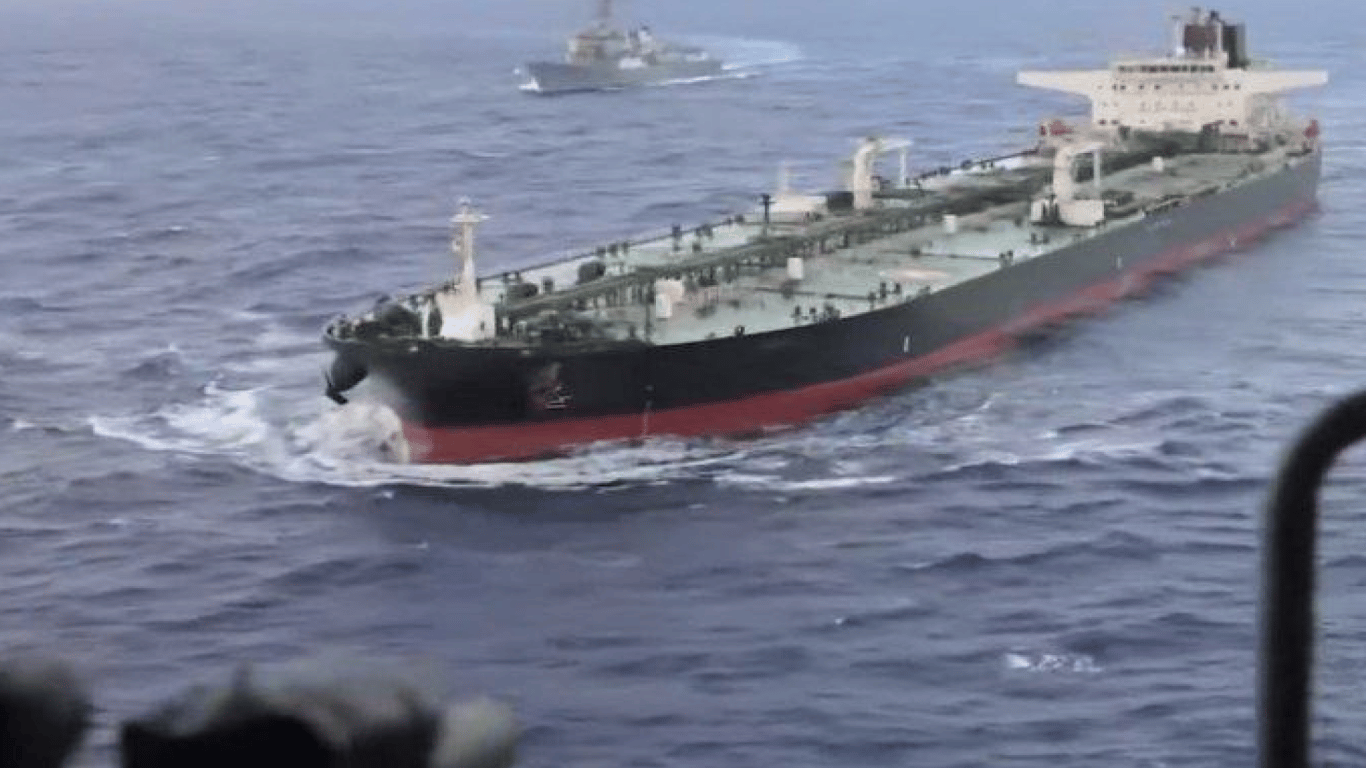
According to Novyny.live: Vessels transporting Russian oil products are facing increasing pressure in international waters, leading to significant delays and heightened financial risks for shipowners and crews. This situation has unfolded against a backdrop of international tensions and sanctions, which are disrupting trade and maritime traffic. In a recent demonstration of this pressure, the US Navy intercepted a Russian-flagged tanker with links to Venezuela.
The US Coast Guard seized the vessel, which was operating as part of Russia's so-called 'shadow fleet.' This action highlights the growing vigilance of American forces in monitoring maritime shipments connected to Russia. Analysts point out that the prolonged three-week pursuit of the tanker before its seizure is a clear signal of political determination.
As Dmytro Pletenchuk noted, 'to pursue a vessel for three weeks in order to detain it is an indicator of political will.'
The tanker's detention underscores the escalating risks for owners and crews operating under these conditions.
'These restrictions and ship delays show that risks for owners and crews are growing, and cooperation with the Russian side is becoming increasingly difficult,' Pletenchuk added.
Russia's shadow fleet, which includes vessels like this tanker, is confronting serious challenges as international sanctions and US oversight intensify. This fleet is used to circumvent price caps and other restrictions on Russian oil exports.
Implications for Global Trade
Consequently, the situation in international waters remains tense, with vessels linked to Russia facing substantial risks and operational holdups. This could have serious repercussions for the global trade of oil products and for the economies of nations reliant on these shipments.
The seizure of the Russian-flagged tanker emphasizes the expanding US scrutiny over sea routes associated with Russia, potentially marking a significant development in the global sanctions regime. Such enforcement actions may prompt other countries to reassess their trade relations with Russia and exercise greater caution when dealing with shadow fleets. This, in turn, could lead to reduced volumes of oil product shipments and impact energy market prices worldwide.
Read also
- Daily Combat Surpasses 70 Engagements as Russian Losses Near 1,000: Fresh Battlefield Report
- China Backs North Korea’s Nuclear Build-Up as Pyongyang Escalates Military Ambitions
- 60 Energy Targets Hit in Crimea: Drone Forces Push Occupiers Toward a Complete Blackout
- Ukraine Strikes 76 Vessels From Russia’s 'Shadow Fleet' – New Details Emerge
- Ukrainian Security Service Nabs Russian GRU Agents: Couple Accused of Directing Missiles at Air Defenses
- Fuel Hidden Inside Grain Trucks: Russia’s New Supply Route to Occupied Ukraine