How U.S. Backing for Ukraine’s Security Integration Could Reshape NATO.

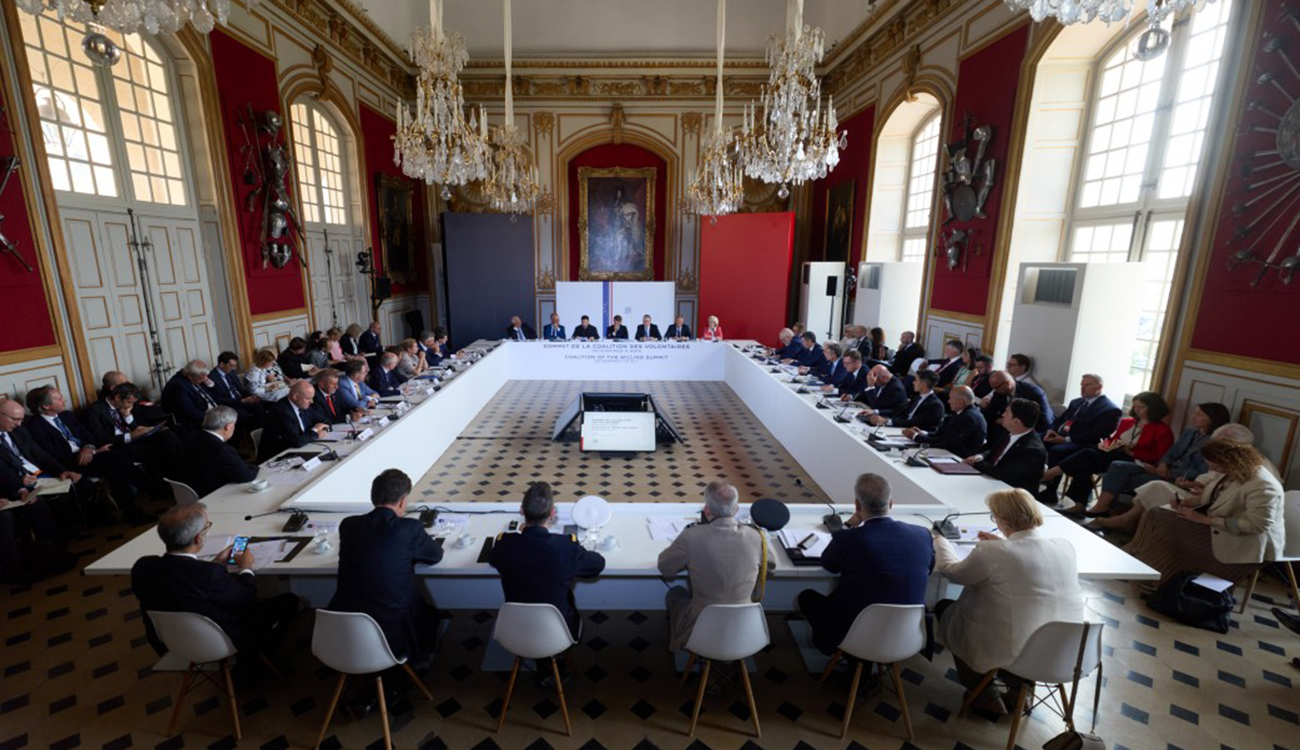
U.S. Support and Ukraine’s Path to European Security
According to UATV: The United States is backing Ukraine’s integration into Europe’s security framework, a stance that aligns with President Trump’s push for increased European defense spending. European Commission President Ursula von der Leyen has been a strong advocate for this integration since 2014, but progress has been slowed by EU bureaucracy. Meanwhile, the U.S. continues to make major investments in defense programs, having procured $60 billion in weapons—a clear sign of its enduring commitment to NATO.
Currently, the United States provides 70% of NATO’s defense capabilities, 90% of its intelligence, and 95% of the alliance’s nuclear umbrella. These figures highlight America’s critical role in regional security. As Liudmyla Pokrovshchuk noted,
“reality is forcing Ukraine’s partners to think pragmatically: this is about Europe’s security, with Russia remaining a persistent threat.”This underscores the importance of collective action in maintaining stability across the continent.
Future Challenges and Emerging Crises
Beyond these developments, experts warn of a potential crisis in the Middle East around 2026 that could further impact Europe’s security landscape. According to Liudmyla Pokrovshchuk,
“any potential rivalry has been smoothed over by contracts signed in Ankara,”pointing to the complexity of security relationships in the region. As a result, Ukraine’s integration into the European security system remains a pressing issue, though overcoming bureaucratic hurdles will be essential for success.
Integrating Ukraine into Europe’s security architecture is a key component of the broader strategy to ensure regional stability, especially given the ongoing threat from Russia. U.S. support and the proactive role of the European Commission are driving this process forward, despite bureaucratic obstacles. At the same time, the possibility of future crises in the Middle East could add further complexity, reinforcing the need for close coordination among international partners to safeguard European security.
Read also
- Leadership Roles in Ukraine’s Defense and Security Agencies: Which Positions Exist and Which Do Not
- Winter Preparations and Immediate Government Steps Discussed by Zelenskyy with Cabinet
- Zelenskyy Picks Ihor Klymenko for NSDC Secretary Role: Decree in the Works
- Four EU nations back Estonia's push to restrict visas for Russian citizens
- EU Sanctions Target Individuals and Firms Over Strikes on Kyiv: Here’s Who Is Being Penalized and Why
- EU Sanctions Russian Drone Parts Maker ABS Electro: What to Know