France and Germany Carry Out Inaugural Joint Nuclear Deterrence Drills.

Franco-German Nuclear Deterrence Collaboration
According to Espreso.tv: For the first time, Germany and France have put their nuclear deterrence cooperation agreement into practice by conducting joint air force exercises. The deal was struck in early March 2023 between German Chancellor Friedrich Merz and French President Emmanuel Macron. These drills, which took place ahead of Macron's visit to Germany, mark a significant milestone in strengthening defense ties between the two nations.
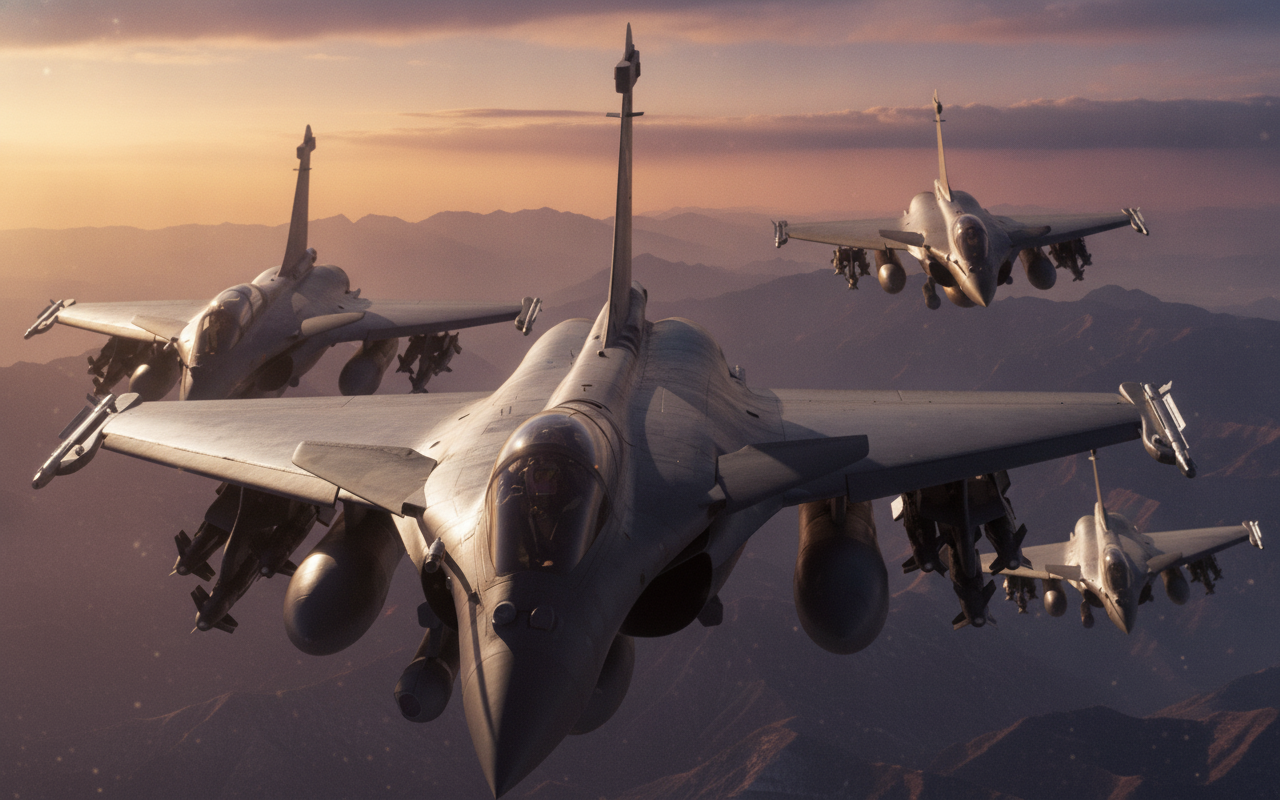
The exercises featured two French Rafale fighter jets and two German Eurofighters, highlighting active knowledge and technology sharing between the countries' military forces. Additional joint technical training sessions are scheduled at the Norvenich Air Base near Cologne. These efforts underscore Berlin and Paris's commitment to further integrating their armed forces within the broader framework of European security.
France's Nuclear Arsenal and International Partnerships
France currently possesses approximately 290 nuclear warheads, positioning it as a key player in Europe's nuclear deterrence landscape. President Macron recently announced plans to gradually expand the capacity of France's nuclear deterrent forces, signaling a serious approach to maintaining national defense capabilities. However, on June 8, 2023, Macron and Merz jointly acknowledged a lack of consensus on the project's specifics, revealing certain differences in their collaborative approaches.
Nations that have expressed willingness to participate in this sphere of cooperation include:
- Poland
- the Netherlands
- Belgium
- Greece
- Sweden
- Denmark
- Norway
This growing list reflects an increasing appetite across Europe for joint security and defense initiatives. The Franco-German exercises could serve as a foundation for deeper military integration in the region and help reinforce the continent's overall defense architecture.
This collaboration between Germany and France on nuclear deterrence could significantly reshape Europe's security landscape, especially amid mounting geopolitical challenges.
With several European countries signaling their readiness to join such efforts, the trend points toward tighter bonds in European defense policy. These joint drills may prove critical in boosting military readiness and interoperability in the face of potential threats.
Read also
- Sergey Fedorenko Appointed Interim Head of Naftogaz: What You Need to Know
- Leadership Roles in Ukraine’s Defense and Security Agencies: Which Positions Exist and Which Do Not
- Winter Preparations and Immediate Government Steps Discussed by Zelenskyy with Cabinet
- Zelenskyy Picks Ihor Klymenko for NSDC Secretary Role: Decree in the Works
- Four EU nations back Estonia's push to restrict visas for Russian citizens
- EU Sanctions Target Individuals and Firms Over Strikes on Kyiv: Here’s Who Is Being Penalized and Why