







Expert Warns US Military Operation in Iran Risks Failure—Here’s Why.
Iran’s Situation and Washington’s Response
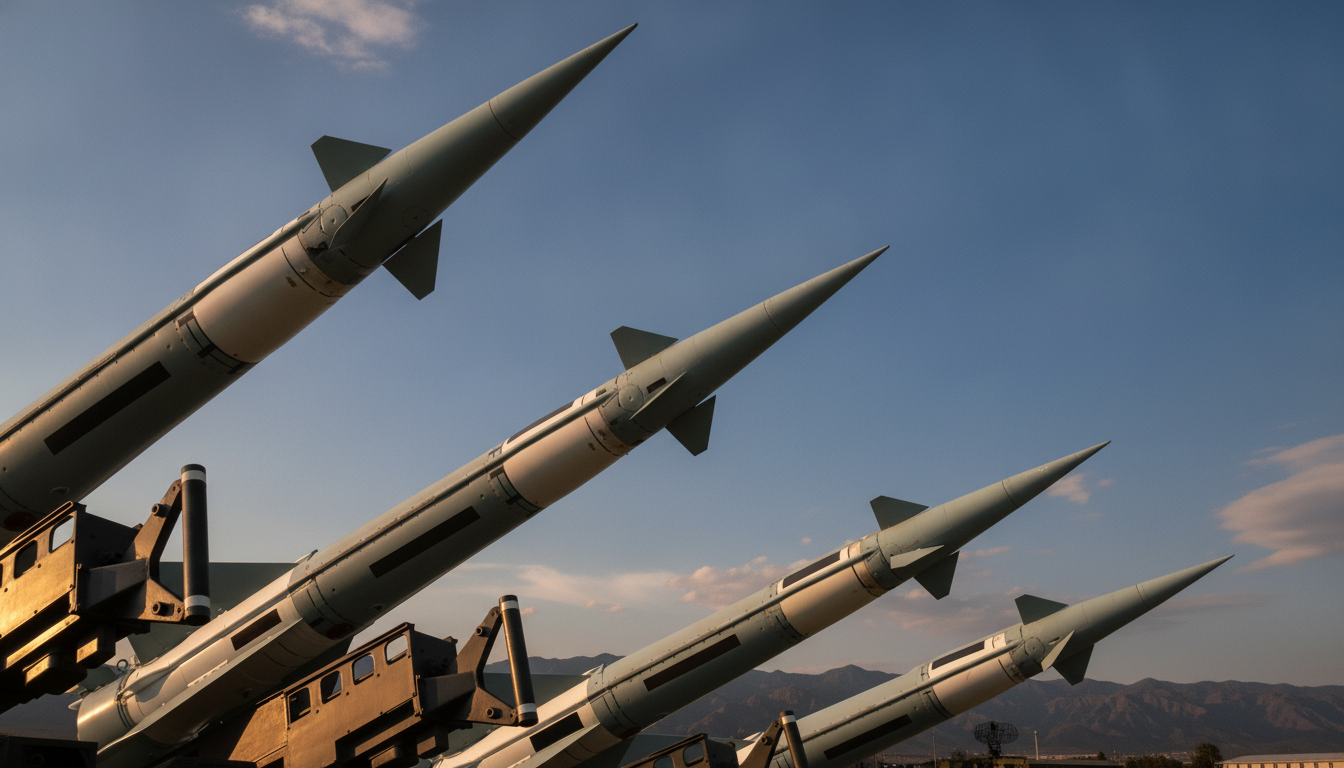
According to TSN.ua: The United States may fail to achieve its objectives in a military campaign against Iran’s regime, given Tehran’s defensive capabilities. Oleksandr Khara, Director of the Center for Defense Strategies, has raised concerns about the situation in Iran, pointing out that factors affecting the country’s internal stability could undermine the success of any U.S.-led military action.
Khara also highlighted that Kurdish opposition forces are equipped only with small arms, which severely limits their ability to challenge the Iranian regime. It is worth noting that Iran is home to numerous ethnic minorities, including:
- Azerbaijanis
- Kurds
- Arabs
These groups could play a significant role in internal conflicts and opposition movements.
Meanwhile, U.S. President Donald Trump has commented on providing Ukraine with drone-defense assistance, reflecting an active American foreign policy in the region. However, internal disputes within the Trump administration over a potential military operation in Iran are now emerging, which could complicate Washington’s strategic plans.
Oleksandr Khara: 'But so far, it looks like they will not achieve their goals.'
He added that 'this will not change the situation in Tehran or bring about a change in power,' underscoring the complexity and multifaceted nature of the crisis in Iran. Given these factors, the future course of U.S. action remains uncertain.
Given the volatile situation in Iran, it is crucial to recognize that domestic political and social dynamics can significantly affect the outcome of external military interventions. Providing military support to opposition groups like the Kurds may prove insufficient for achieving regional stability without a comprehensive approach to resolving ethnic and national conflicts. Any further U.S. steps will likely require a reassessment of strategy, taking into account on-the-ground realities and the need for backing from international allies.
Read also
- Trump Backs Proposal for Zelensky-Putin Meeting: What We Know So Far
- Rubio Announces $400 Million Aid Package for Ukraine: Could This Shift Russia’s Stance?
- Expanding Ukraine’s Footprint in the Middle East: Countering the Russian-Iranian Threat
- How Pakistan Became a Key Mediator Between the U.S. and Iran: Trump Extends the Ceasefire
- Israel and Lebanon Reach Ceasefire Deal: Key Terms and Dates for Upcoming Talks
- No Lebanon Strategy for Israel: How Iran Fortifies Its 'Axis of Resistance' Across the Middle East