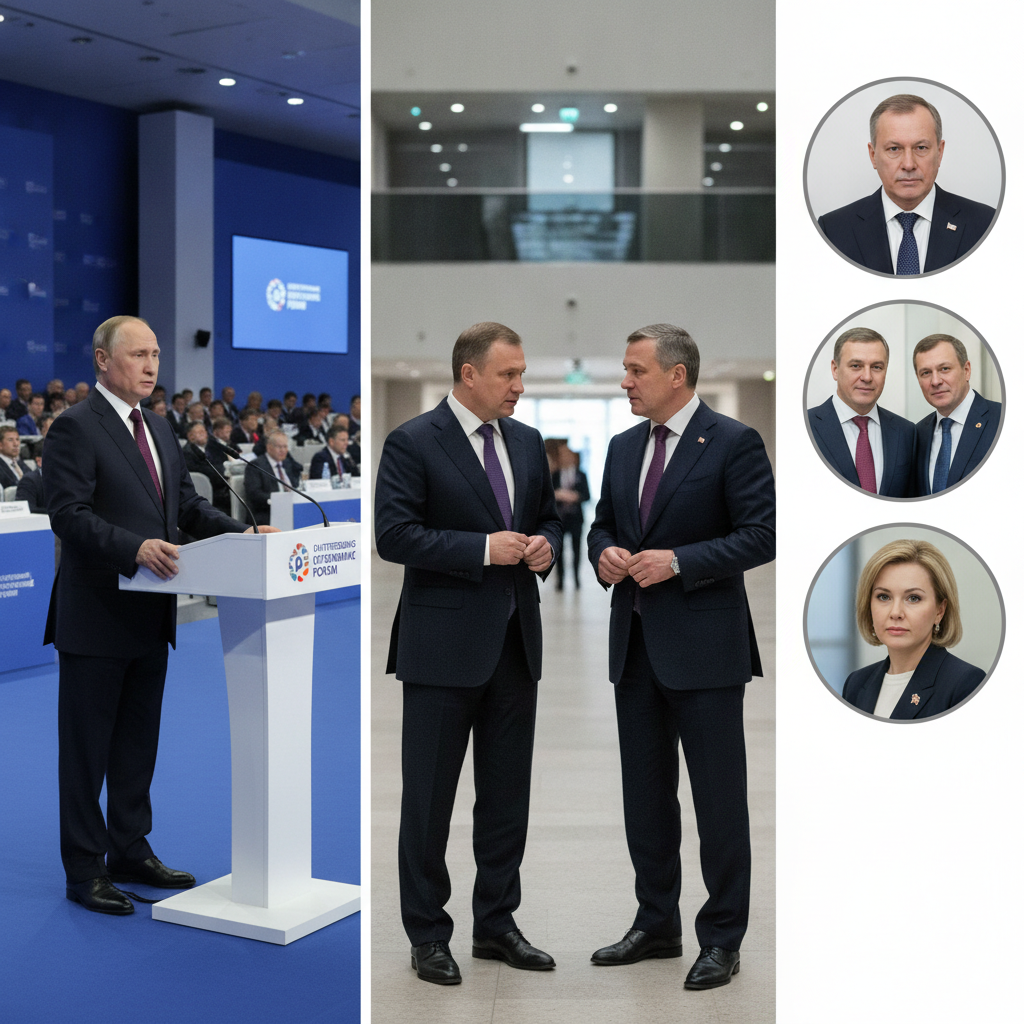
Amid a New U.S. Strategy, Putin Proposes a 'Peace Council' and a Billion Dollars.


Washington's Strategic Shift on Russia
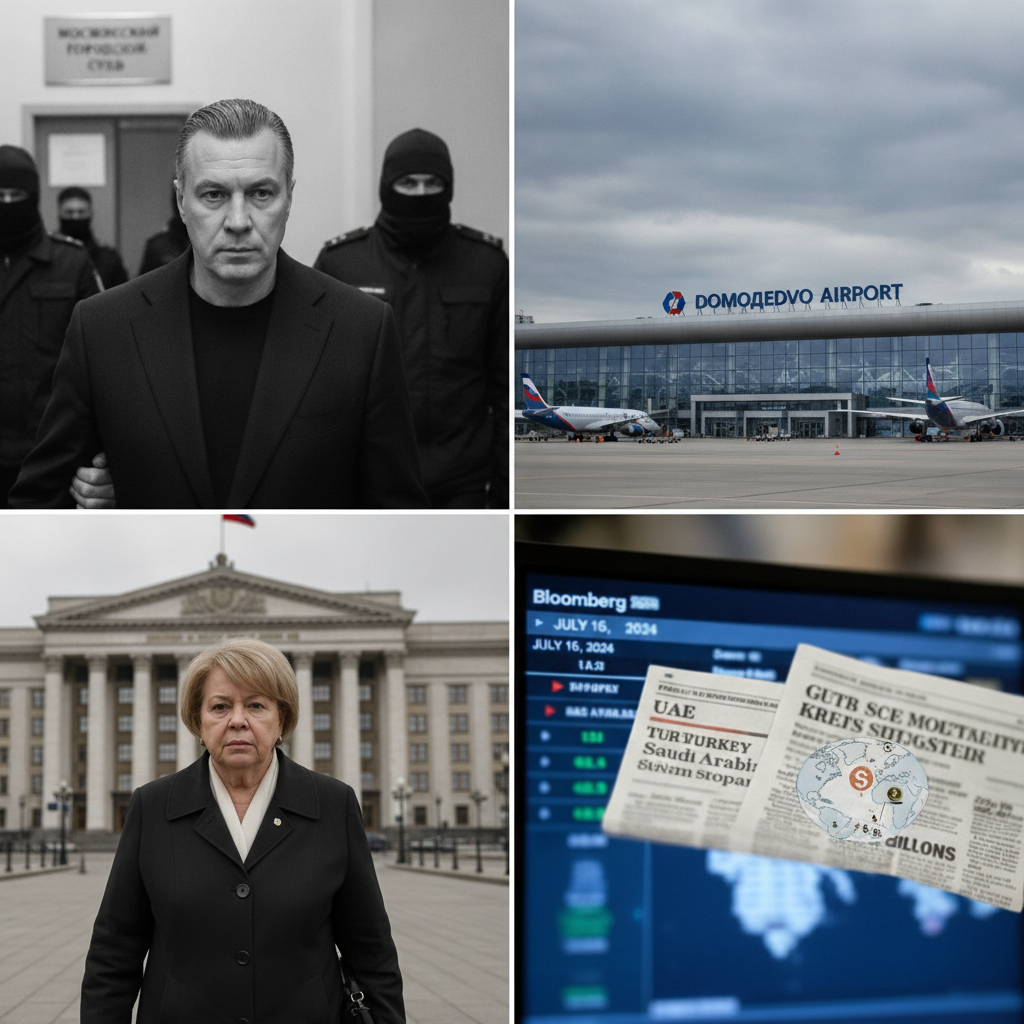
According to UATV: The United States is adopting a new strategic approach toward Russia, now characterizing it as a persistent yet manageable threat. A recently published Pentagon National Defense Strategy document notes that Moscow has failed to make substantial progress in negotiations with Washington over diplomatic property and aviation agreements. Concurrently, the political re-emergence of Donald Trump as a rival to Vladimir Putin has further complicated bilateral relations. This revised U.S. posture has already contributed to a reduction of Russian influence in the Middle East and Latin America.
International Repercussions and Russian Overtures
In response to these developments, Vladimir Putin has extended an offer for the U.S. to join a proposed 'Peace Council' and expressed a willingness to commit $1 billion from frozen assets. This move signals Russia's desire to maintain a degree of cooperation despite Washington's hardening stance. Against this backdrop, Donald Trump announced the seizure of seven Russian tankers, adding another layer of strain to the relationship. These events occur within a broader context of heightened global competition between the two powers.
Further regional instability has been shaped by the collapse of Bashar al-Assad's Syrian regime in 2024 and a subsequent U.S. airstrike on Iran in 2025, actions with significant implications for regional stability and ties with Moscow. Political analysts observe that the outcome of upcoming trilateral talks between Russia, the U.S., and Ukraine in the United Arab Emirates remains uncertain. As noted by analyst Mark Galeotti, the situation is highly unpredictable. A Russian propagandist has also remarked that if the current pace of events continues, the so-called 'shadow fleet' of tankers could be forced to cease operations by spring.
The U.S. strategic pivot reflects new geopolitical realities emerging from global conflicts and the domestic politics of both nations. Russia's push for cooperation, even amidst these challenges, suggests an intent to preserve its role in international affairs despite escalating tensions. Meanwhile, assertive U.S. actions in regions like Iran and Syria risk further complicating the landscape, potentially fueling new crises and challenges to international security.
Read also
- Russian Army to Grow by 27,000 Troops as Putin Signs Third Expansion Decree This Year
- Tehran Has Not Reached Out to Washington as Trump Halts Airstrikes on Iran
- Trump Says Talks Possible as Oil Prices Crash After US and Iran Halt Attacks
- American Blogger Laura Loomer Admits She Fell for Russian Disinformation
- How China Gains From US-Israeli Strikes on Iran
- New Civil Defense Protocols from Russia’s Rosgvardiya: Mobilization and Wartime Safeguards Added for the First Time