Ukraine Mandates Registration for All Starlink Satellite Terminals.

Mandatory Registration for Starlink Devices in Ukraine
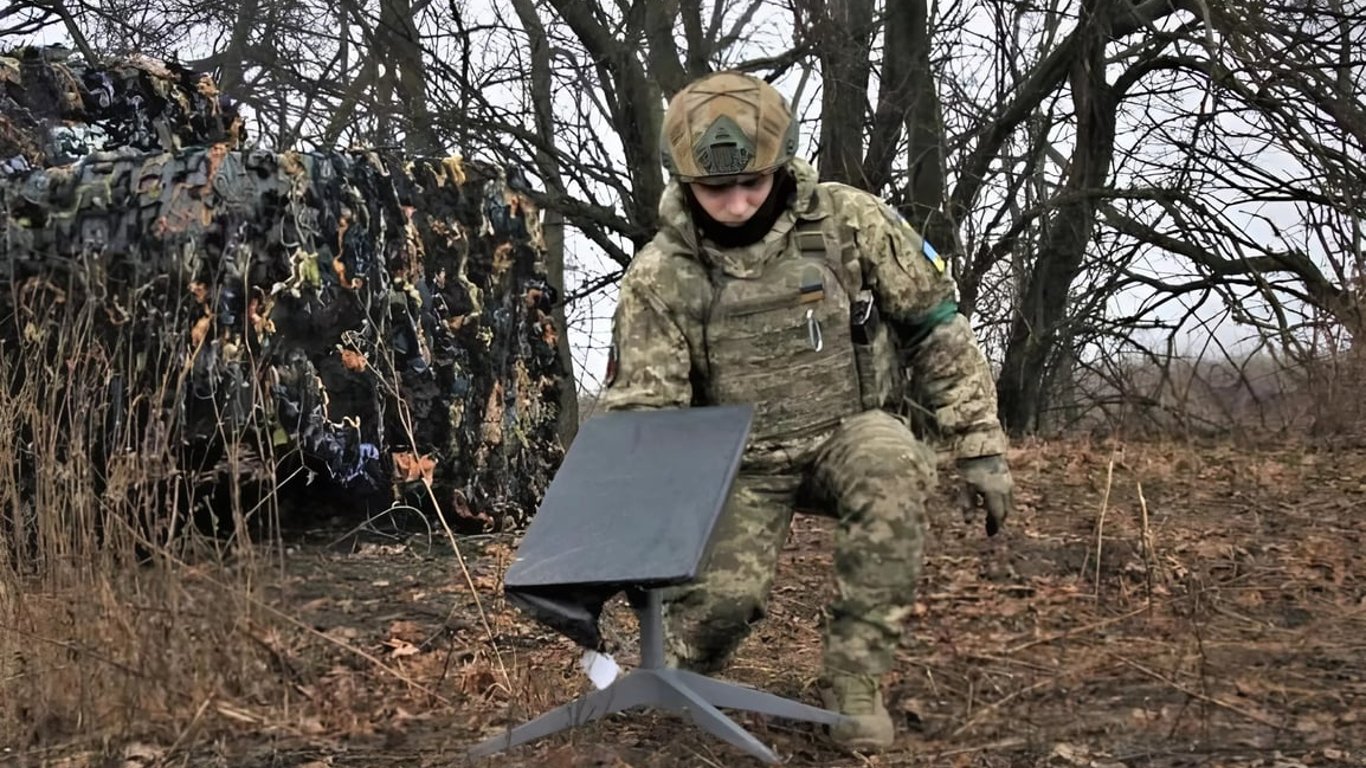
According to Novyny.live: Ukraine has instituted a mandatory registration system for all Starlink satellite terminals. This measure is designed to prevent Russian forces from utilizing the satellite internet service. The government is creating an authorized 'white list' of devices to control their use across the country.
Starlink terminals will only function if they are officially authorized. The Ukrainian Ministry of Defense announced this new policy, describing it as a critical step for national security. Businesses and state institutions can begin submitting registration applications via the 'Diia' portal starting February 3, 2026. This streamlined process aims to facilitate legal entities' access to satellite communications, which have been vital for maintaining connectivity during the war.
Registration and Verification Procedures
Military personnel will be able to verify their terminals through a special function in the 'Army+' application, ensuring swift access crucial for operational needs. Meanwhile, private citizens must register their devices at their nearest Administrative Services Center (TsNAP). The registration process is free of charge, making it accessible to all users.
This move comes in response to prior instances of Starlink terminals being exploited for military purposes.
As Yurii Ihnat noted, 'the first 'Shahed' drone guided by Starlink was detected about half a year ago.'This underscores the necessity of regulating communication technologies that can be weaponized in a conflict zone.
Consequently, the mandatory registration of Starlink terminals represents a significant measure to enhance Ukraine's security and govern the use of advanced communication tools. The new rules, implemented in the context of the ongoing war, seek not only to control technology usage but also to ensure its availability for both military and civilian needs, potentially improving communication efficacy in critical situations. This initiative mirrors global trends toward regulating emerging technologies within security and conflict frameworks.
Read also
- Antique Musket Balls Repurposed Into Solar Cells with 94% Efficiency
- South Korea Patents a Silent Engine for Air Taxis
- 144 FPS at 4K: A Gamer Pairs an RTX 3090 and RTX 3050 for Stunning Performance
- Snapdragon 8 Elite Gen 5: Qualcomm’s New Chip Targets Sub-$600 Smartphones
- Samsung Unveils Three New Odyssey Gaming Monitors: Specs and Features Revealed
- Plastic Waste Converted into Jet Fuel: New Breakthrough by Chinese Researchers