Pensions in the UK will rise by £562: millions will receive more, but there is a catch.

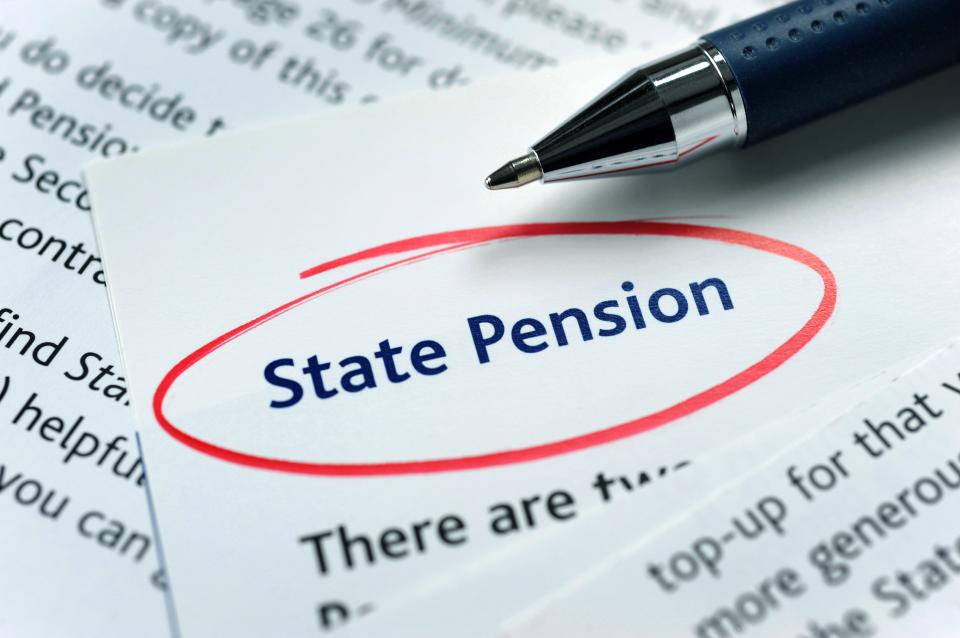
Increase in State Pension
According to The Sun: The state pension in the UK will rise by £562 for millions of people as early as next April, but experts warn of potential tax implications.
Under the triple lock policy, the pension increases each year based on inflation, by 2.5%, or average earnings growth — the highest value is chosen.
AlamyToday, the Office for National Statistics (ONS) reported that pay including bonuses for the three months ending in July rose by 4.7%. This will likely serve as the basis for the annual increase.
The new fixed rate of the state pension for those reaching retirement age after April 2016 is expected to be £241.05 per week. This increase of £10.65 will lead to a total annual payment of £12,534.60, which is £561.60 more than now.
The old basic pension, on the other hand, is likely to rise to £184.75 per week, which also means an increase of £431.60 per year.
“The standard rate of the new state pension is gradually approaching the frozen personal tax allowance,” said Steve Webb, partner at pension consultancies LCP.
The standard personal allowance is the amount of income that is not taxed, currently fixed at £12,570. As Steve Webb notes, retirees with no other income besides the state pension will start paying taxes from 2027.
“Almost three-quarters of all pensioners already pay income tax, and the prolonged freeze of tax thresholds, combined with steady pension growth, will lead to more people falling under the tax burden,” he added.
In May 2024, Chancellor Jeremy Hunt announced that the personal tax allowance would remain at £12,570 until 2028. This freeze was first implemented in 2021.
In her first Budget statement in October, Chancellor Rachel Reeves confirmed that the government would raise thresholds according to inflation from that date.
Many pensioners already pay taxes on the state pension due to additional supplements and payments. According to data released last April, the triple system led to 650,000 pensioners becoming taxpayers.
“The planned increase will be some comfort for pensioners facing rising costs and prolonged inflation on everyday needs,” noted Mike Anbury, director of pension savings at Standard Life.
“However, the full new state pension of £12,534.60 will account for more than 99% of the personal allowance, which is currently frozen at £12,570 until 2028... This means that pensioners will need just £35.40 of other income to start paying tax.”
“The personal allowance rose quite rapidly as a percentage of average earnings for over a decade up until 2020, from 23.61% in the 2007-2008 tax year to almost 45% in 2020. Since 2020, the combination of freezing and inflation has led to a drop in this figure, meaning a higher portion of income is now taxable.'
“For pensioners paying higher tax, the increase of £561.60 will drop to around £337.”
How does the state pension work?
The state pension is paid to both men and women from the age of 66, but by 2028 this age will rise to 67, and by 68 by 2046.
The state pension is regular payments from the government that most Britons begin to receive once they reach retirement age. However, not everyone receives the same amount, as payments depend on the national insurance record.
- For most pensioners, this payment is only part of their pension income.
- The new state pension is based on national insurance records.
- To receive the maximum sum of the new state pension, one needs to have 35 qualifying years for national insurance.
- Experienced workers can fill in gaps by making voluntary national insurance contributions.
- To receive the old basic state pension, one needs to have 30 years of contributions or credits.
- To receive any state pension, a minimum of 10 years in the national insurance record is required.
Considering the increase in pensions, data suggests a need to pay closer attention to tax legislation. Experts note that changes in legislation may impact the financial well-being of many pensioners awaiting government support in challenging times. The rising cost of living further emphasizes this situation, forcing people to adapt to new conditions.
Read also
- Pensions in the UK will rise by 4.8%: millions will receive additional funds
- United Kingdom to pay £120 for living: who will receive assistance
- 400-year-old pub closes permanently: reason – closure of access to aerodrome