NATO's 2014 Failure: Stronger Support Could Have Prevented Russia's Invasion, Says Stoltenberg.

Stoltenberg Criticizes NATO's Past Ukraine Policy as a Strategic Mistake
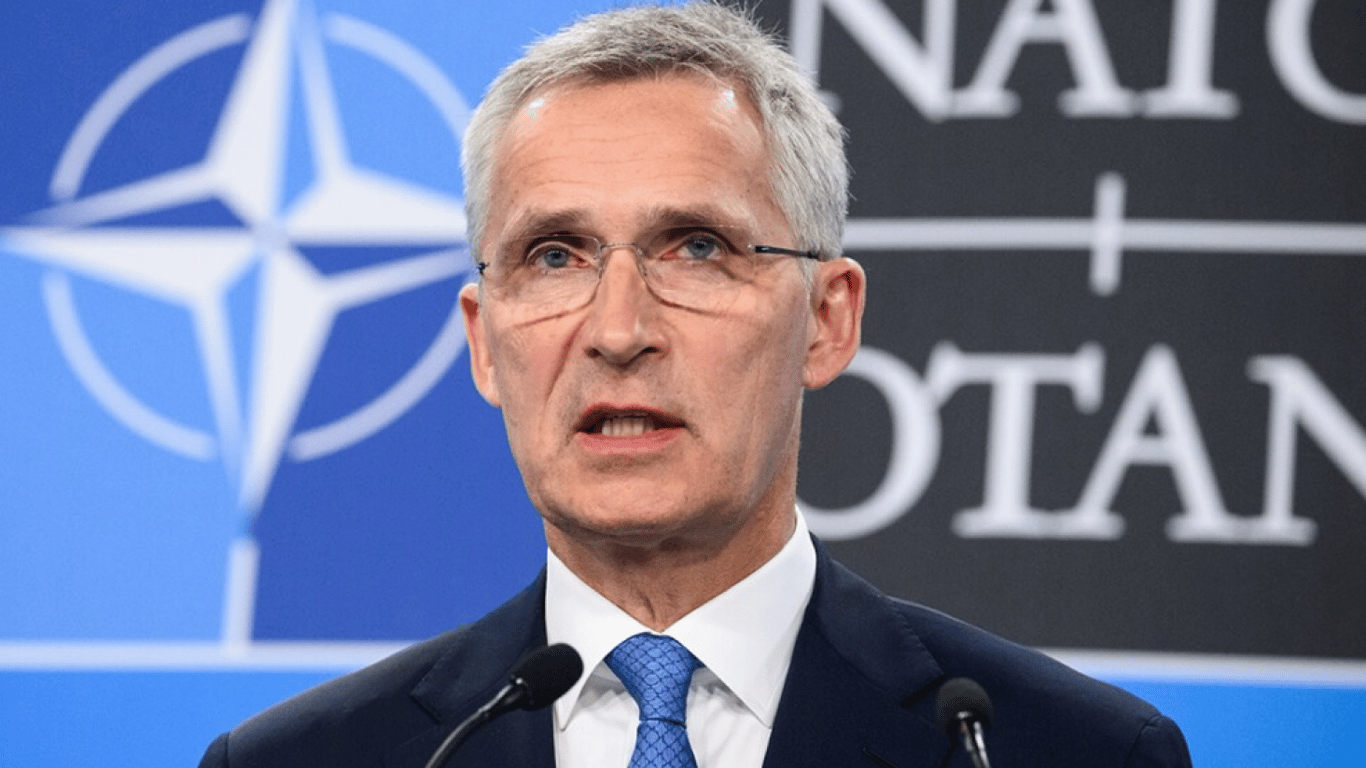
According to Novyny.live: Former NATO Secretary General Jens Stoltenberg has publicly stated that the Alliance made a significant error by not providing Ukraine with sufficient support in 2014. He argued that more robust assistance at that time could have prevented Russia's full-scale invasion, which began in 2022. Stoltenberg made these remarks during the Munich Security Conference on February 16th.
While acknowledging that NATO allies have since provided unprecedented support to Ukraine, Stoltenberg emphasized that
"the big mistake was not to give more support earlier"(Jens Stoltenberg). This critique of the West's delayed aid highlights the crucial eight-year period from 2014 to 2022, during which regional tensions escalated dramatically following Russia's initial annexation of Crimea.
Admitting past policy failures could be a vital step toward improving NATO's future strategic planning, as the war in Ukraine remains a central issue for international security. Stoltenberg's comments, made against the backdrop of the ongoing conflict, underscore the critical need for international organizations to respond decisively to emerging security threats.
This frank assessment of NATO's shortcomings may encourage more proactive measures in supporting Ukraine and strengthening the defense capabilities of allied nations, which is essential for addressing current security challenges in Europe.
Read also
- EU Adopts 21st Sanctions Package Against Russia: What It Means for Oil and Banking
- Zelensky Warns of Black Sea Grain Corridor Blockade as Ukraine Calls UN Security Council Meeting
- EU sanctions on Russia slow down as member states prioritize economic interests
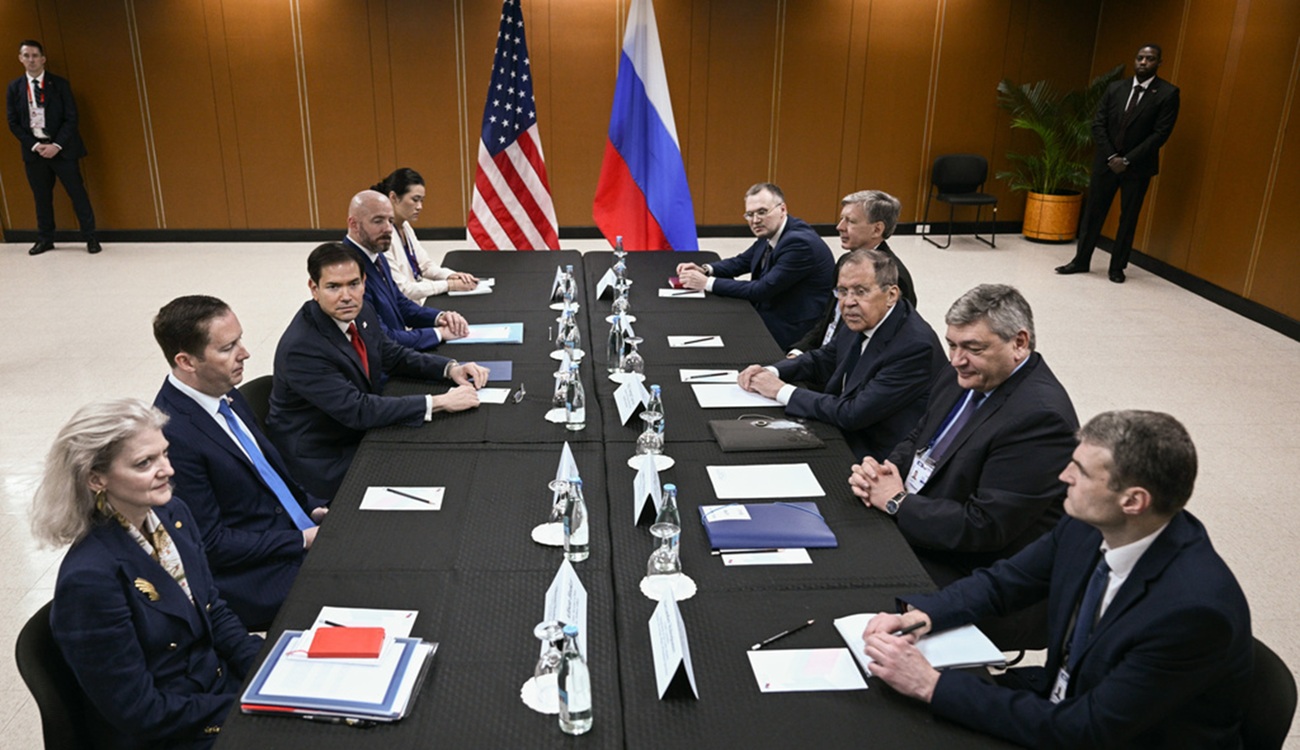
- A 35-Minute Manila Meeting Between Rubio and Lavrov Puts Ukraine War at the Center of Talks
- Latvia Moves to Ban Imports from Russia and Belarus: Here's What Will Be Blocked
- Poland Faces Thousands of Daily Cyberattacks from Russia, Deputy PM Calls It Hybrid Warfare