Why AI-Generated Children’s Books Pose a Threat to Literary Quality.

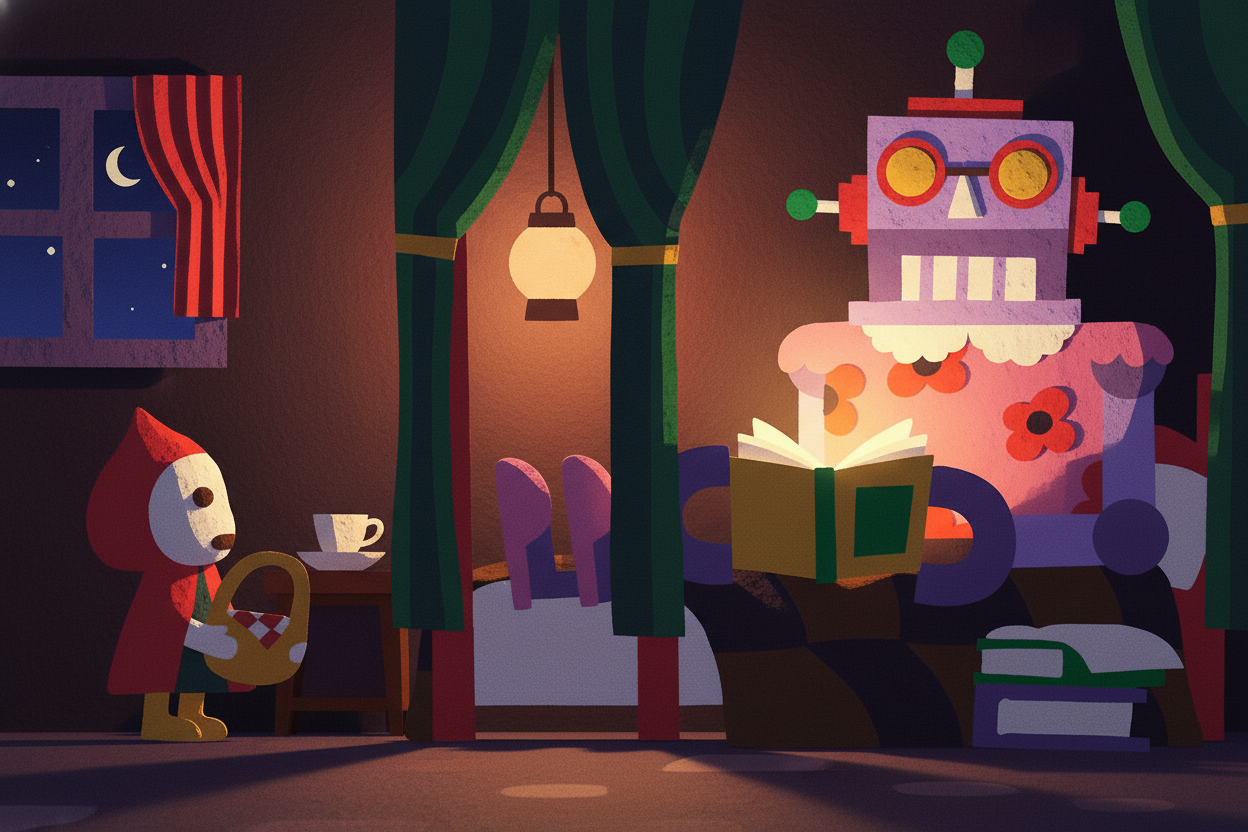
The Growing Concern Over AI in Children’s Literature
According to Vox - Загальний: Experts are increasingly debating the use of artificial intelligence to produce children's books. They stress that only human authors and illustrators can truly grasp the needs and interests of young readers, making the human touch essential in crafting meaningful literature for kids.
Over four decades ago, Whitney Houston urged society to teach children and let them lead. That message still resonates today, especially as AI technologies rapidly enter fields like publishing. Professor Megan Kearney, who teaches children's book illustration at the college level, points out that AI lacks the ability to make conscious decisions—highlighting the technology's limitations in creating quality literature for young audiences. She adds,
“We already have enough bad books; we don’t need a 'bad book machine'”— Megan Kearney.
Current Trends in the Children’s Book Market
The market now features a growing number of AI-generated children’s books, primarily sold on Amazon. However, not all authors embrace this shift. Rex Ogle, who has published 17 books in the last six years, admits that
“books don’t pay very well, so I have to write a lot to cover my bills”— Rex Ogle. This reality drives many writers to explore new ways to monetize their work amid rising competition.
Children’s books demand a deep respect for young readers. Professional writers and illustrators understand how children process information—a crucial insight for producing content that truly serves their needs. The involvement of AI in this process raises serious concerns about the quality and value of the resulting literature.
Given these factors, the role of AI in creating children’s books remains an open question. Experts continue to debate the issue, emphasizing the irreplaceable value of human contribution to children’s literature.
As technology advances rapidly and reshapes creative fields, it is vital to recognize that the quality of children’s books hinges on a profound understanding of child psychology and emotional needs. Ongoing discussions about AI’s role in this area could shape the future of publishing, as authors and publishers strive to balance technological innovation with traditional storytelling methods. These conversations underscore the critical need to preserve the human element in children’s literature, which plays a key role in shaping young minds and fostering their development.
Read also