Which Modern Car Engines Offer the Best Balance of Reliability and Fuel Economy?.

Today's Automotive Power Units
According to Novyny.live: Contemporary car engines are increasingly designed to deliver both durability and fuel efficiency, making them highly appealing to buyers. For consumers, this means a growing array of options that balance performance with lower running costs. Several popular models with different engine types exemplify this trend.
-
Toyota 1.8 Hybrid
This hybrid powertrain is a prime example of the technology, generating 140 horsepower from its four-cylinder design. Its multi-point fuel injection system ensures efficient fuel consumption, which also helps reduce harmful emissions.
-
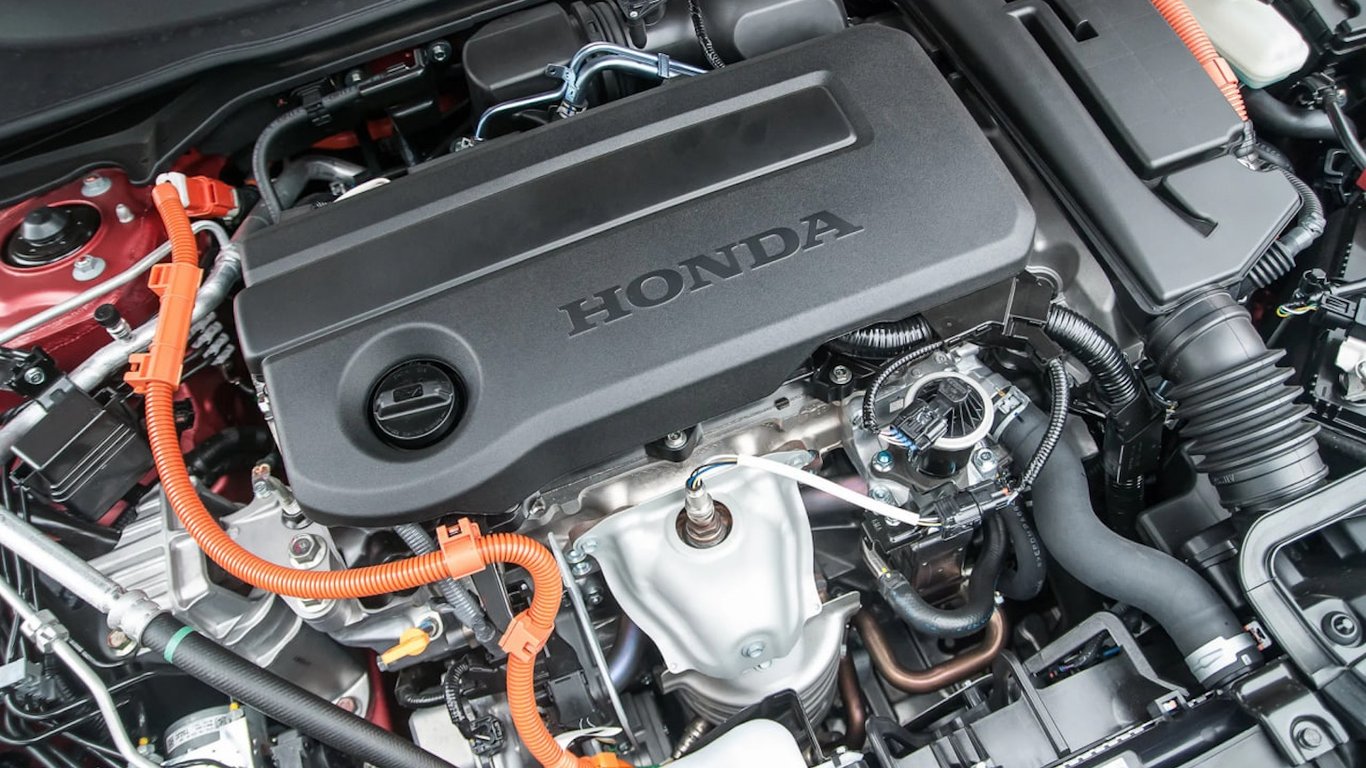
Honda 2.0 e:HEV
With a 2.0-liter capacity, this system pairs a gasoline engine with an electric motor for a combined output of 184 horsepower. This combination enhances performance while maintaining strong fuel economy.
-
Hyundai 1.0 MPI
This engine produces 63 horsepower. It stands out for its efficiency, achieving an average fuel consumption of 4.7 liters per 100 kilometers, ranking it among the most economical options in its class.
-
Suzuki 1.2 Dualjet
Featuring a 1.2-liter displacement and a three-cylinder layout, this engine also records fuel consumption of 4.7 liters per 100 km. It offers drivers a compelling mix of reliability and efficiency, key considerations for modern car buyers.
-
Volkswagen 1.0 MPI
This 80-horsepower unit is used in models like the Volkswagen Polo and Škoda Fabia. It successfully blends respectable performance with economic operation, appealing to a broad range of consumers.
In summary, modern automotive powertrains demonstrate impressive efficiency and economy, driving their growing popularity in the marketplace.
An examination of current automotive engines reveals that manufacturers are actively integrating new technologies to improve fuel economy and reduce emissions.
Both hybrid and gasoline engines that merge efficiency with power can meet the diverse needs of today's drivers. Consequently, vehicles equipped with these powertrains are becoming more competitive, a trend likely to influence consumer decisions for years to come.
Read also
- Google to Build America's Largest Solar Farm: 2.5 GW Facility to Power Data Centers
- Turn Your Old Phone Into a Smart Display: Inside the New ScreenWall Web Platform
- Speed Record Set by Bombardier Global 8000: Los Angeles to Farnborough in Just 8 Hours 46 Minutes
- A New Augmented Reality Platform Lets You Read and Build 3D Comics
- How Artificial Intelligence Is Unlocking Billions in Real Estate Value
- Ukraine’s Air Defense Gets a Boost: New 'Hot Dog' Drone Takes Down Over 300 Targets