LED Headlights Reaching 100°C: How Overheating Destroys Your Car's Lighting System.

Keeping Vehicle LED Lights Cool: A Critical Challenge
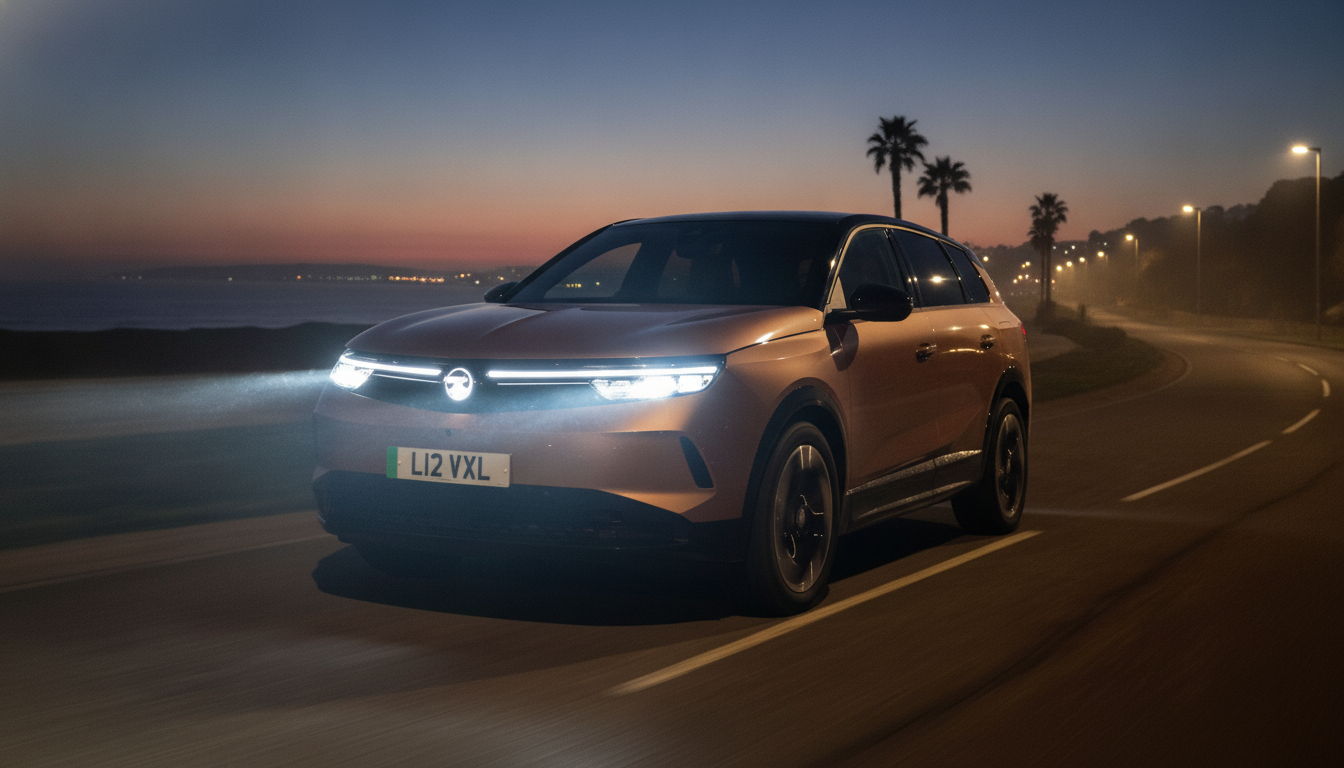
According to Novyny.live: Car LED lighting systems are highly sensitive to temperature changes, and without proper heat management, they can fail prematurely. The area around the LED base often exceeds 100 °C, creating a serious risk of damage. Given the high heat levels that occur during normal driving, effective thermal dissipation is essential to extend the lifespan of these modern lights.
Cooling Solutions for LED Headlights
High-power LEDs rely on specialized heat-dissipating components to operate reliably. Several cooling approaches are used in automotive lighting:
- Passive cooling: A large aluminum radiator absorbs and disperses heat, though it struggles under extreme loads.
- Active cooling: Small fans generate additional airflow to improve heat transfer, offering better performance when temperatures climb to dangerous levels.
Both designs require careful planning and implementation to avoid overheating.
Insufficient cooling is a common cause of LED system failures. Overheating can reduce brightness or cause complete LED failure. Warning signs include color shifts in the light output and partial or total loss of function. For this reason, effective cooling is crucial to the reliability and longevity of automotive LED optics.
As cars demand greater energy efficiency and performance, proper LED cooling has become increasingly important. LEDs are popular for their efficiency and long life, but automakers must account for heat-related issues. Developing advanced cooling technologies will be key to improving the durability of modern vehicle lighting systems.
Read also
- New York Breaks Ground on 373-Meter Skyscraper: The Second World Trade Center
- NVIDIA Unveils DLSS 5: Three AI Models for Gaming, Launching This Fall
- Ukraine’s Defense Ministry Unveils New Robotic Combat System ‘Mini Strike Serpent’ – Key Details Inside
- Ukraine's Drone Forces Sink 183 Russian Shadow Fleet Vessels, Unleash New Missiles and Strike Crimea
- Ukrainian Firm SkyFall Unveils P1-SUN Jetkiller Interceptor Drone: Key Details Emerge
- World’s First 500 MW Impulse Hydropower Plant Under Construction in China: Trials Succeed