Who Can Be Taken to the Draft Office: Detention Authority of Military Centers Explained.

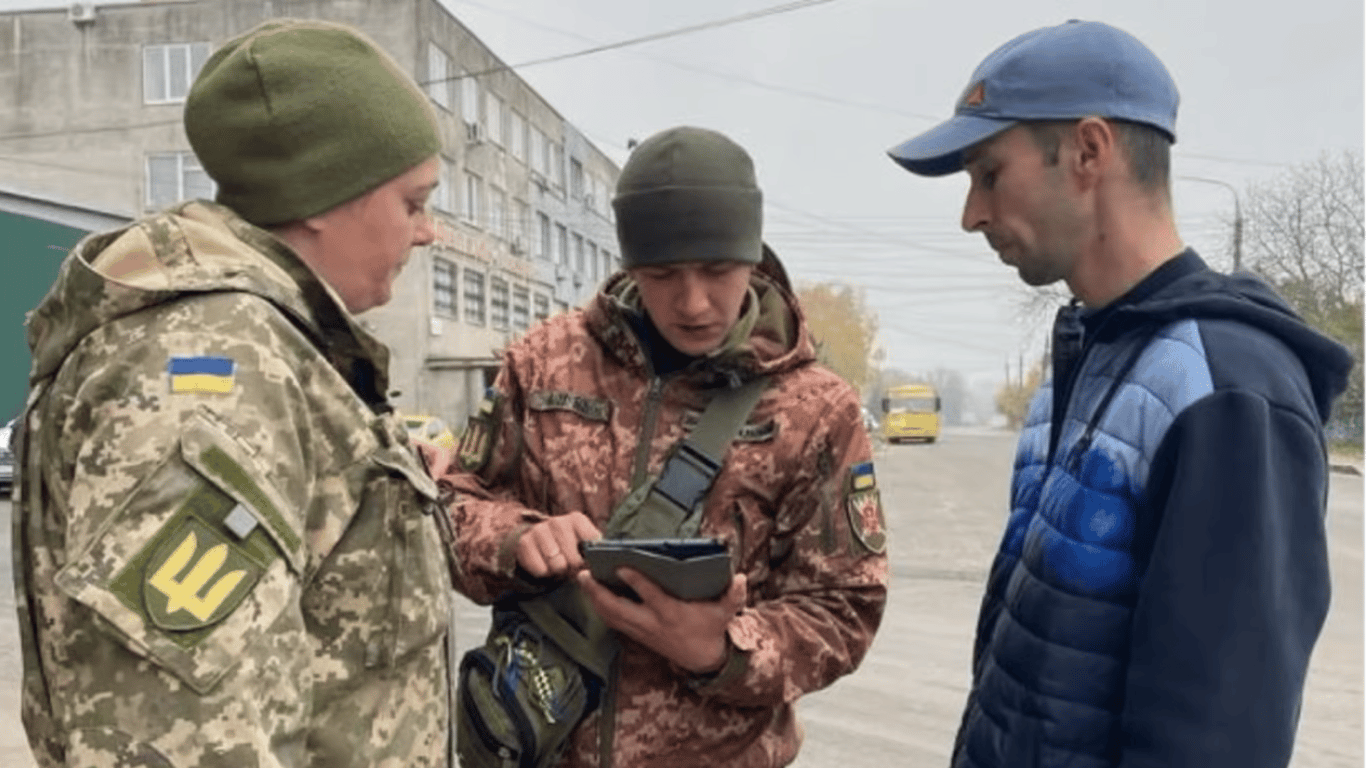
Mobilization Notices from Territorial Recruitment Centers
According to Novyny.live: In Ukraine, Territorial Recruitment Centers (TRCs) are not allowed to detain individuals who are subject to military service unless those individuals are officially listed as wanted. If a person is indeed on the wanted list, only the police have the authority to carry out the detention. This clarification comes amid the ongoing general mobilization in the country, which has raised many questions about the legal limits of TRC powers.
TRC notification teams are made up of both TRC staff and officers from the National Police of Ukraine. According to Andriy Karpenko,
“only police officers have the power to carry out administrative detention, and only if the police electronic databases contain information that the person is wanted”. This highlights that police are the sole authority permitted to detain military-liable individuals who are being sought. TRCs may only serve summons to those who are not in such a status.
Yuriy Ayvazyan further stated:
“As of today, the right to detain you and bring you to the TRC is granted only to the police, and only if you are on the wanted list”. This emphasizes the crucial role of the police in the mobilization process and the need to comply with current legislation. Under existing legal norms, “the powers of the TRC and support units regarding notification of citizens for call-up are limited exclusively to serving a summons, which must be properly completed,” noted Andriy Karpenko.
Rights and Responsibilities of TRCs and the National Police
Therefore, during the general mobilization in Ukraine, it is essential to understand the rights and duties of both TRCs and the National Police. This knowledge helps prevent misunderstandings and ensures that mobilization-related procedures remain lawful.
This information is important not only for those liable for military service but also for society as a whole, as a clear grasp of the rights and obligations of all parties involved in mobilization supports the maintenance of law and order. During wartime and mobilization, the issue of legal protection for citizens subject to conscription, as well as effective cooperation between various state agencies, becomes especially relevant.
Read also
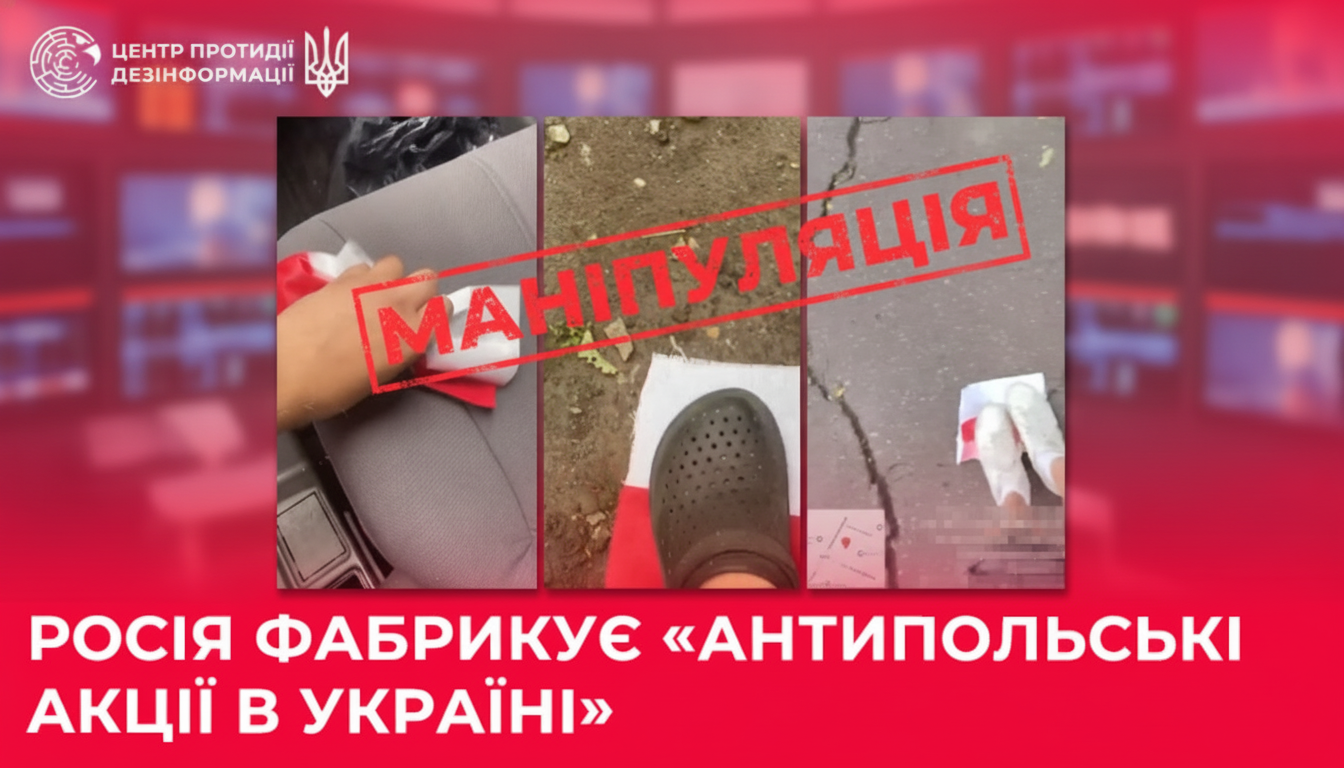
- Poland Targeted by Russian Disinformation: Fake Videos Claim Ukrainians Trample Its Flag
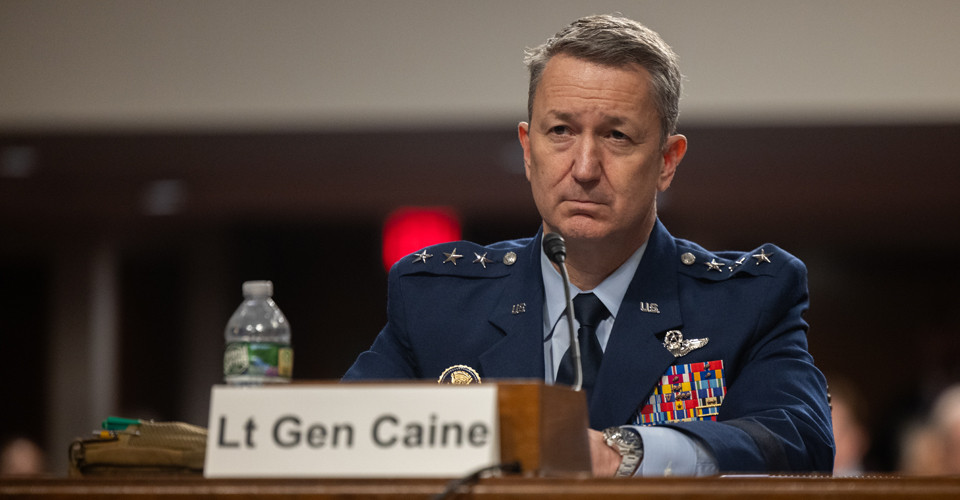
- What Halting Air Defense Funding Means for Ukraine: General Kane’s Assessment
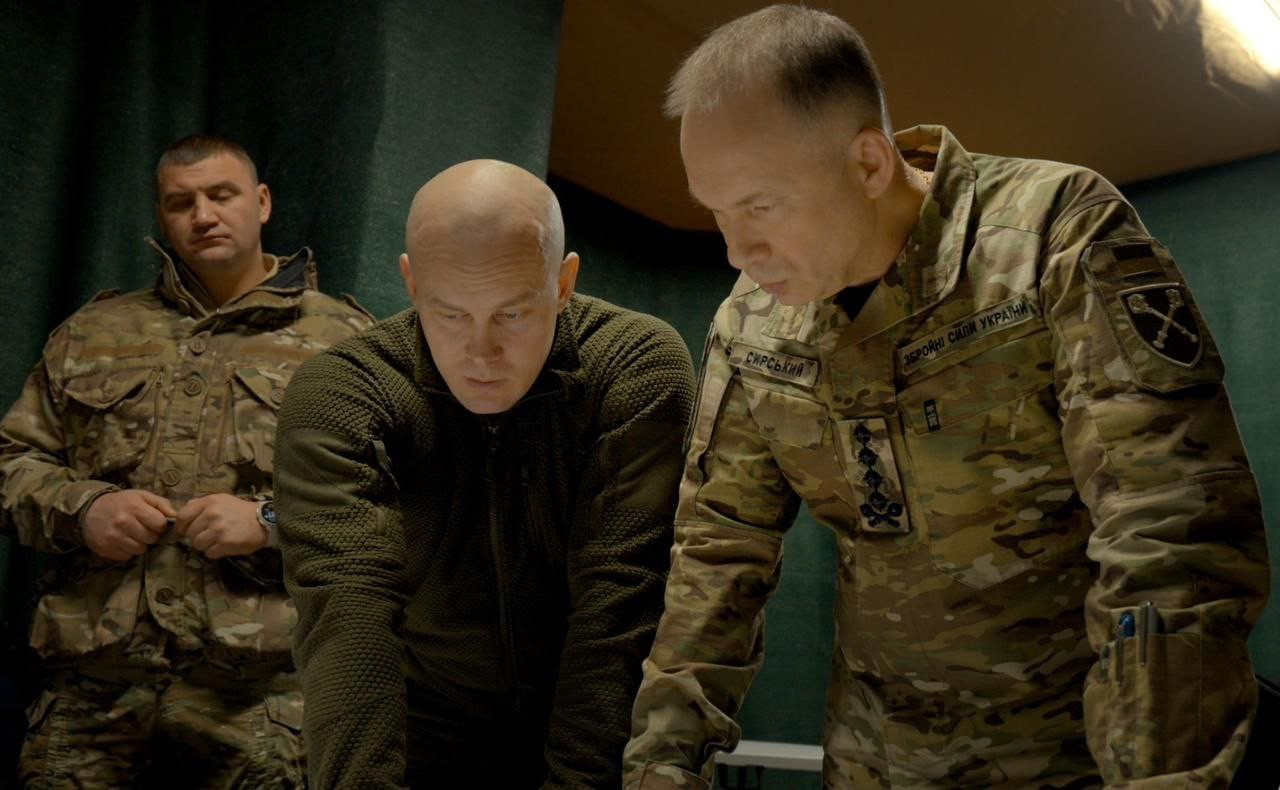
- Why the Dismissals of Fedorov and Syrskyi Raise Concerns: What Comes Next
- Syrsky vs Fedorov: What We Know About the Conflict Between Ukraine’s New Commander-in-Chief and the Former Minister
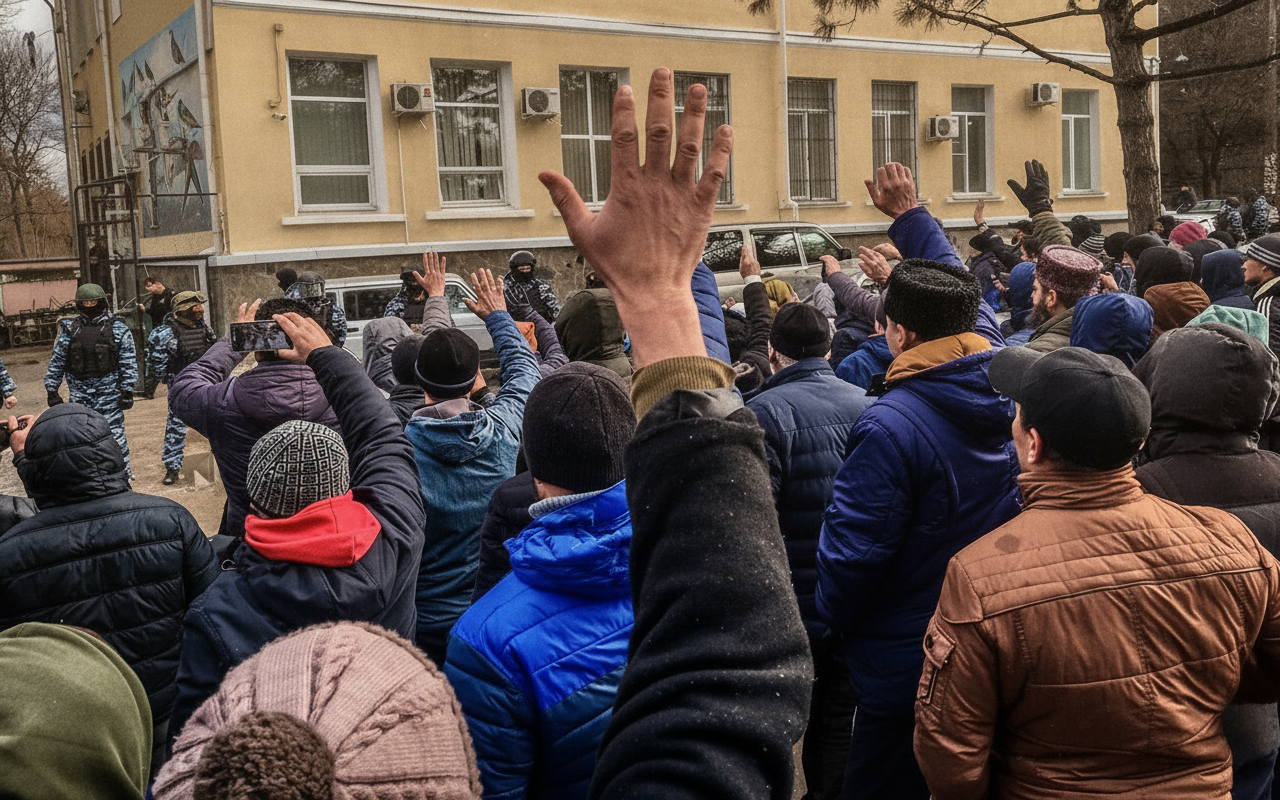
- Crimea Solidarity Shuts Down After Being Labeled a 'Foreign Agent': What Led to This
- Burnham and Merz Discuss Ukraine Aid: What’s Known About the New 'Coalition of the Willing'