European Origins of Ancient Mexican Sculpture Confirmed by Thermoluminescence Dating.

Thermoluminescence Analysis of the Artifact
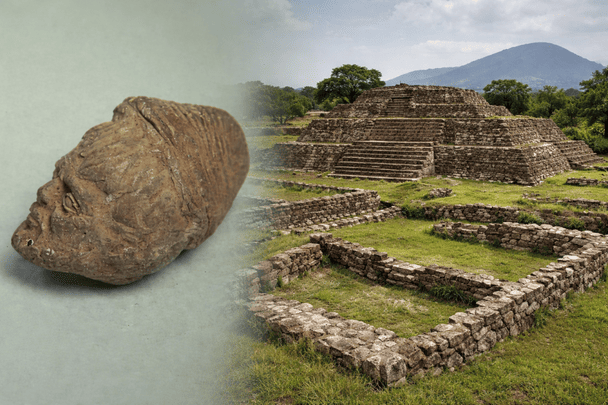
According to TSN.ua: In 1933, a terracotta sculpture was unearthed near Mexico City inside a sealed tomb alongside pottery shards, gold ornaments, bone artifacts, and rock crystal fragments. Known as the 'Head of Tecaxic-Calixtlahuaca,' this piece has now undergone thermoluminescence dating, with results pointing to a European origin for the object.
Research Findings
The analysis places the artifact’s creation between the 9th century BCE and the 13th century CE. Back in 1961, Austrian anthropologist Robert Heine-Geldern suggested it might date to 200 BCE. Later, in 1990, German archaeologist Bernard Andreae declared the bust to be 'unquestionably Roman.'
Thermoluminescence dating has now validated the hypothesis of a European origin, opening new avenues for exploring cultural connections between ancient civilizations. The presence of such artifacts could indicate early European influence in what is now Mexico, reshaping historical narratives about transatlantic contact.
This sculpture could become a key piece in studies examining interactions between the ancient cultures of Europe and the Americas. Understanding its origins has the potential to transform our view of prehistoric history and cultural exchange, while also sparking greater interest in regional archaeological research. Each new discovery in this field helps reconstruct past scenarios and clarify how different civilizations influenced one another.
Read also
- Belgium to Send 7 F-16 Fighter Jets to Ukraine: 3 Combat-Ready, 4 for Spare Parts
- Is a Ukrainian Offensive on Crimea Possible? Russia Fortifies the Peninsula
- Ukrainian Forces Eliminate 1,370 Russian Soldiers in a Single Day: Moscow's Artillery Losses Hit Record High
- Ukraine Strikes Sanctioned Tanker FINA A and Damages Two Bridges in Night Assault
- Ukraine Denounces Russian Claim of Drone Strike on Bus Carrying Children as False
- Russian Forces Dig 40-Kilometer Tunnel Network in Kherson Region: Key Details