Russia’s Dwindling S-300 Missile Stockpiles: How Ukraine Could Gain the Upper Hand in the War.

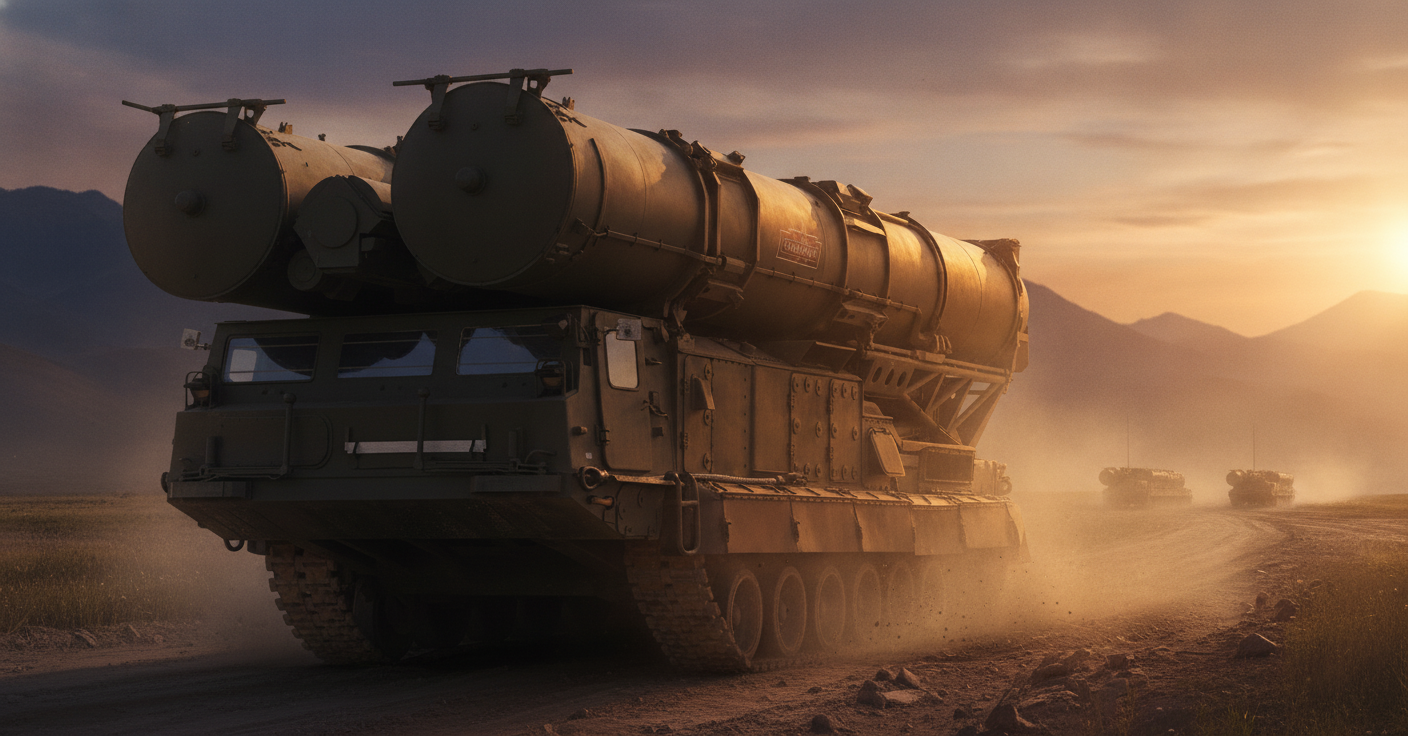
Russia Faces a Shortage of S-300 Interceptor Missiles
According to Espreso.tv: Moscow’s reserves of S-300 interceptor missiles are running low, a development that could shift the war’s momentum in Ukraine’s favor. Ukrainian officials have reported this shortfall, attributing it to intense combat operations and reduced manufacturing output. According to available intelligence, Russia has begun repurposing its air defense systems for strikes against Ukraine—a move that hints at growing trouble in protecting its own skies.
Currently, Russia is grappling with a depletion of its S-300 interceptor stockpile. In 2025, the country possessed over 400 interceptors for its S-300PM and S-400 air defense systems, but that number is now shrinking. Data from Ukraine’s General Staff, reported on June 13, indicates that Russian factories are consuming at least 120 missiles per month. This pace of production falls short of covering battlefield losses, potentially undermining Russia’s ability to defend its airspace.
Shifting Strategies and Alternative Approaches
The scarcity of S-300 interceptors may compel Russia to explore alternative solutions, such as repurposing existing systems, which could reduce their effectiveness against Ukrainian forces. This signals possible adjustments in Russia’s wartime strategy, offering Ukraine potential advantages in controlling the skies.
The depletion of S-300 interceptor stocks could significantly weaken Russia’s air defense, in turn creating new openings for Ukrainian military operations.
In summary, Russia’s dwindling S-300 interceptor supply is a critical factor that could alter the war’s power balance and shape the conflict’s future trajectory.
Amid ongoing combat and declining production capacity, Russia may be forced to adapt its military tactics, which could have broader implications for the war’s course. It will be important to monitor Russia’s next moves and Ukraine’s responses to these challenges.
Read also
- Su-35 Downed and Record Russian Losses: 1,260 Occupiers Killed in a Single Day
- Khamenei’s Funeral Procession Reaches Iraq: Supreme Leader’s Coffin Taken to Shia Holy Sites
- Unprecedented Russian Assault on Sumy Region: Over 12,000 Strikes and 122 Civilian Deaths Recorded This Year
- NATO Commits €70 Billion in Aid to Ukraine for 2026: What Comes Next
- Norway Pledges €260 Million for Ukraine’s Air Defense: New Patriot Missiles on the Way
- Ukraine’s Unmanned Systems Strike 21 Russian Vessels in 72 Hours – 19 Were Tankers