Legendary Tesla Model S to Be Discontinued in 2026: Key Details on the Electric Pioneer.

From Trailblazer to Icon: The Tesla Model S Story
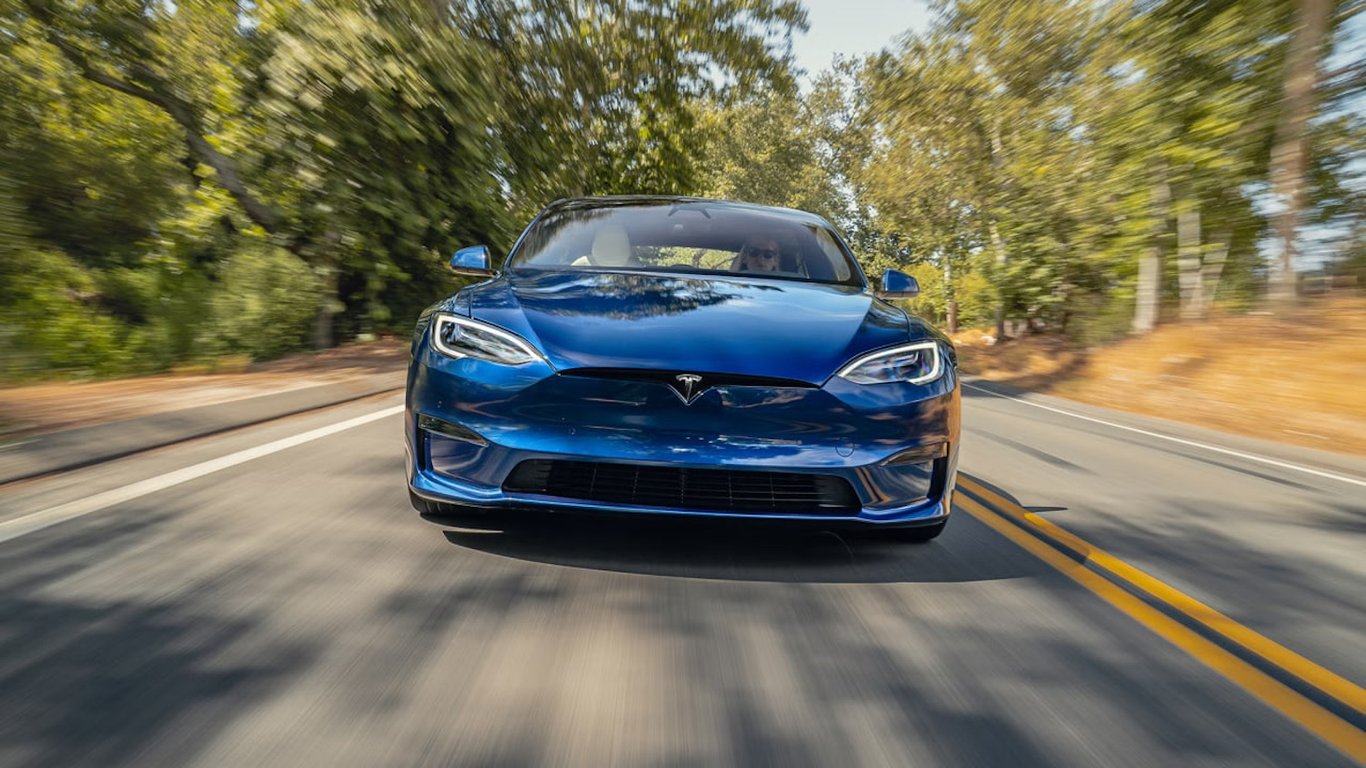
According to Novyny.live: First launched in 2012, the Tesla Model S—one of the most influential electric cars ever built—is slated to end production in 2026. Over its lifecycle, the vehicle has seen major upgrades in power, driving range, and battery reliability, helping it maintain a strong position in the EV market. For context, the Model S helped establish Tesla as a dominant force in the automotive industry and set benchmarks that rivals have since chased.
When it debuted, the Model S offered a range of roughly 426 km, far outpacing competitors of the era, which typically managed only about 196 km. Early versions produced between 362 and 416 horsepower, while today's variants deliver from 670 to 1,020 hp. These improvements reflect how the model evolved to keep pace with shifting market demands and advancing technology.
Battery Performance and Build Quality
The battery health of the Model S is noteworthy. Capacity loss after 80,000 km ranges from 5% to 8%. At 160,000 km, that figure climbs to between 8% and 12%, and at 320,000 km, it reaches 12% to 15%. A highly effective thermal management system helps preserve battery life, boosting long-term durability.
Build quality also saw notable improvements between 2021 and 2026, signaling the manufacturer's commitment to refining its product. Still, some issues persist—most notably the retractable door handles, which have occasionally caused frustration for owners.
In summary, the Tesla Model S has demonstrated remarkable technical progress since its launch, securing its place as one of the world's most popular EVs. With production ending soon, questions are emerging about how this model will shape the future of electric transportation.
The discontinuation of the Tesla Model S could significantly impact the EV market, as this vehicle has long served as a benchmark for other automakers.
Source: analytical article on the EV market
Its engineering achievements and innovations are likely to influence the development of new models, which may better meet consumer demands for greater power and range. The coming years are expected to see heightened competition in the electric vehicle segment, driving further technological breakthroughs and higher quality standards. It will also be interesting to watch how Tesla adapts to changing market conditions, particularly by focusing on other models in its lineup.
Read also
- A New Augmented Reality Platform Lets You Read and Build 3D Comics
- How Artificial Intelligence Is Unlocking Billions in Real Estate Value
- Ukraine’s Air Defense Gets a Boost: New 'Hot Dog' Drone Takes Down Over 300 Targets
- Windows That Generate Power Even at Night: A New Solar Innovation
- GE Aerospace’s Hybrid-Electric Aircraft Reaches 30,000 Feet in Key Test Flight
- Kyiv Officially Launches 5G: Coverage Areas and Speed Details Revealed