Deadly 'blue dragons' found off the coasts of Spain: swimming banned.

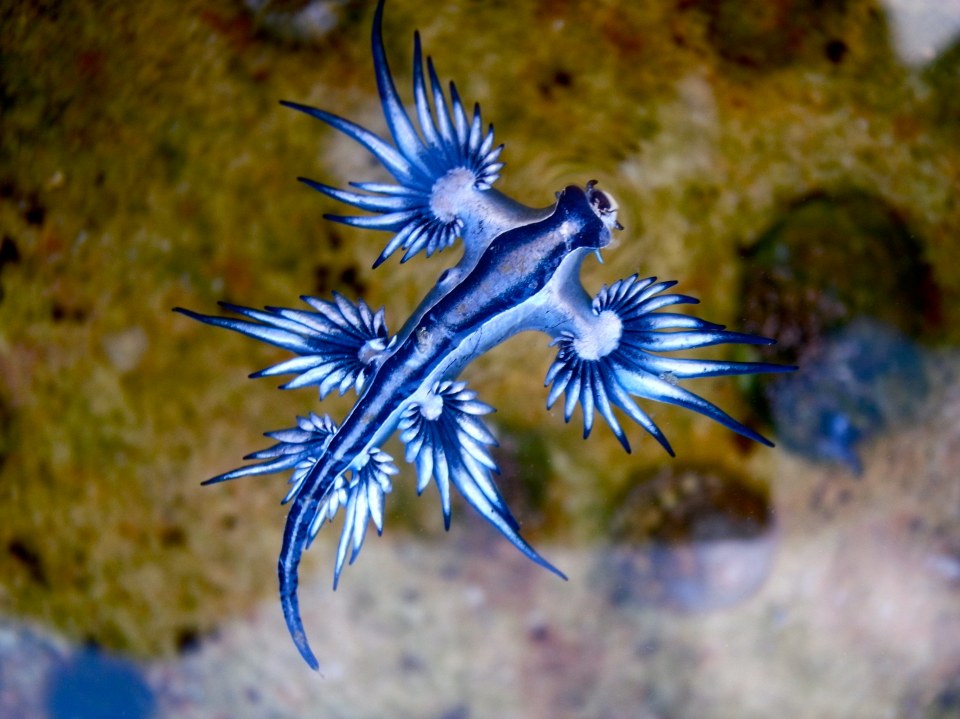
Swimming ban at three beaches in Spain due to 'blue dragons'
According to The Sun: Swimming has been banned at three popular beaches in Spain due to the presence of dangerous 'blue dragons.'
This toxic sea creature, referred to as 'the most beautiful killer in the ocean,' has been sighted at three beaches, forcing swimmers to leave the water.
SolarpixThis creature has been recognized as 'the most beautiful killer in the ocean' because of its bright blue body and toxic bite.
For your safety, lifeguards have raised red flags along the coast of Villaricos and temporarily banned swimming between Cartagena and Almeria.
The third ban announcement was made on the eve by representatives of the town council and civil protection in Cuevas del Almanzora.
“As a result of the appearance of the blue dragon at Cala Sirete beach in Villaricos, the town council has announced a bathing ban for the entire coast,” the statement reads.
The ban affects the beaches Cala Verde, El Payaso, and Cala Sirete.
The statement also warns that 'the sea slugs are toxic, and the town council has activated its safety protocol.'
“Red flags will be set from Monday morning,” the statement added.
“Other beaches in Cuevas del Almanzora will be marked with yellow flags as a precaution to indicate possible other specimens.”
“Tourists and locals are not permitted to touch the blue dragons under any circumstances, even with gloves, and should urgently contact authorities.”
“If you are stung by a blue dragon, remain calm and do not rinse it with fresh water.”
Tourists who disregard the swimming ban risk hefty fines.
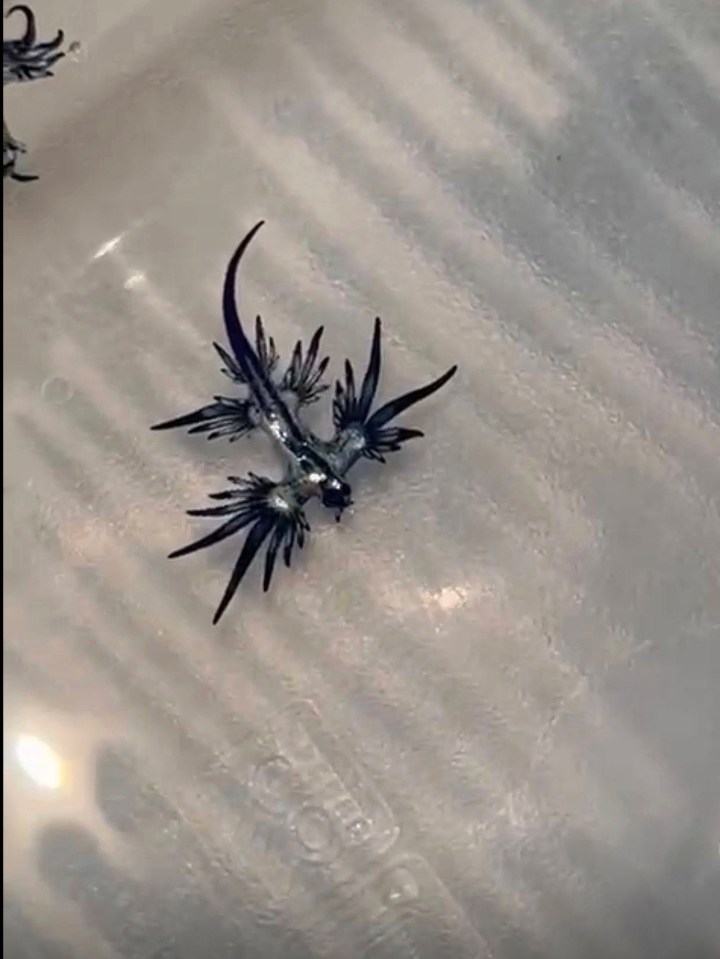 Solarpix
 Danger from blue dragons
The bite from this sea creature, which is no longer than an inch, can cause severe pain, skin irritation, nausea, fever, and even an acute allergic reaction.
They absorb toxic cells from their prey and store them in concentrated doses, making their bite even more dangerous.
These unusual creatures can sting as strongly as much larger Portuguese man o' war.
In August, several beaches in the region were also marked with red flags due to the presence of blue dragons.
Solarpix Despite the ban, the beaches were overcrowded with people, although some swimmers still took the risk to go into the water.
Blue dragons are found worldwide, even in Australia. In Sydney, experts warned in 2018 not to touch these creatures after they appeared in large numbers along the east coast.
Last year, Spain also experienced a massive influx of blue jellyfish.
Solarpix This situation is an important reminder of the dangers that marine life can pose, even when they appear attractive. Tourists and locals are advised to follow all recommendations and be cautious in unpredictable situations to avoid dangerous consequences. Read also
- Ukraine Seizes the Offensive: Former U.S. Envoy Analyzes Strikes on Russia’s Energy Grid
- Denmark Unveils Its Largest Military Aid Package for Ukraine Yet: A Staggering Amount
- Half of Russia’s Crimean Air Fleet Destroyed by Ukrainian Drones, Grounding a Key Regiment
- Ukrainian Forces Strike Crimea: Bridges, EW Station, and Russian Intelligence Hit
- Ukraine's Defense Forces Strike Crimea Hard: Bridge, Airfields, and Electronic Warfare Site Hit
- Warning from the US to Poland: Russia May Launch Drone Strikes and a Brief Invasion from Belarus