Trump Cites Personal Animosity as Key Obstacle to Ukraine-Russia Peace Deal.

Ukraine-Russia Negotiations
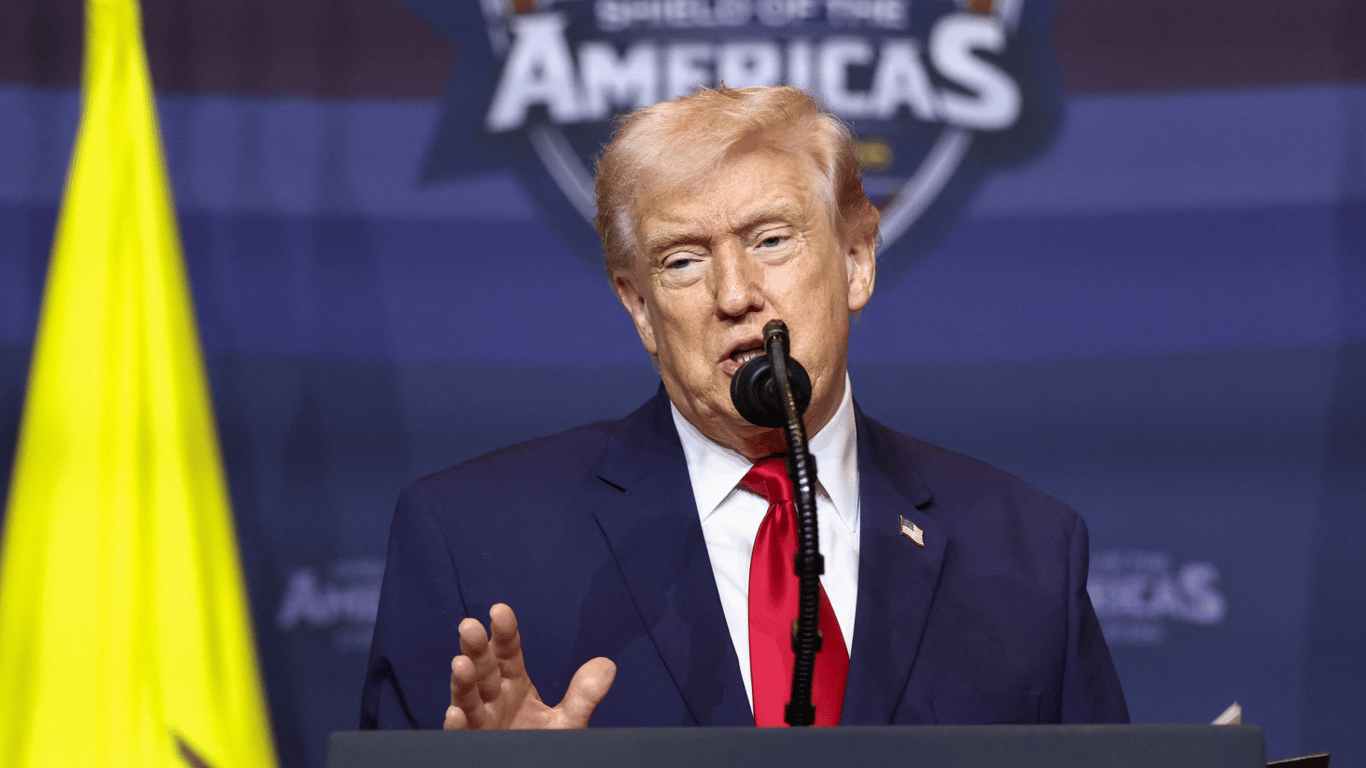
According to Novyny.live: Former U.S. President Donald Trump has commented on the negotiations between Ukraine and Russia, stating that achieving peace is exceptionally difficult due to the intense personal hatred between the leaders of the two nations. While discussing the conflict, Trump noted that the war's direct impact on the United States is lessened by the Atlantic Ocean, yet he still views supporting the negotiation process as important. His remarks come as the U.S. continues to play a pivotal, albeit complex, role in international diplomacy concerning the war.
Talks aimed at ending the war in Ukraine were a topic of discussion on Saturday, March 7. Ukrainian President Volodymyr Zelenskyy had also spoken about the continuation of negotiations on March 5. Trump, however, stressed that the deep-seated animosity between Vladimir Putin and his opponent makes compromise extremely challenging:
“The hatred between Putin and his opponent is so great that it is very hard for them to get to that point.” - Donald Trump
Negotiation Hurdles and International Support
Furthermore, Trump indicated that the negotiations are being affected by the ongoing situation in the Middle East. He added:
“I am doing this as a favor to Europe and I am doing this as a favor to life.” - Donald Trump
This statement underscores his intent to support international efforts to secure peace, despite the significant obstacles emerging in the negotiation process.
Trump's comments highlight not only the complexity of the talks between Ukraine and Russia but also the critical role of international backing in achieving a peaceful resolution. Currently, the negotiations face numerous challenges, particularly due to the profound political differences between the leaders, which complicates the potential for any agreement. Trump's position may signal a continued, though nuanced, U.S. desire to maintain an active role in global conflict resolution, even when a crisis does not directly threaten American soil.
Read also
- New Acting Ministers Appointed to Lead Ukraine’s Defense and Foreign Affairs
- New Leadership Unveiled by Koretskyi: Defense and Foreign Affairs See Major Appointments
- Zelenskyy Holds Meeting with Commanders: New Government Appointments Announced
- New U.S. Strikes Hit Iran: Chabahar Port Tower Destroyed in Latest Escalation
- Frontline Commanders Meet with Zelenskyy: Drone Production, Prisoner Swaps, and Troop Supplies on the Agenda
- Zelensky’s Cabinet Shake-Up Sparks Nationwide Protests Across Ukraine