Trump Claims NATO Equals the US, Asserting Putin Fears Only the American Military.

U.S. Military Strength and Its Allies
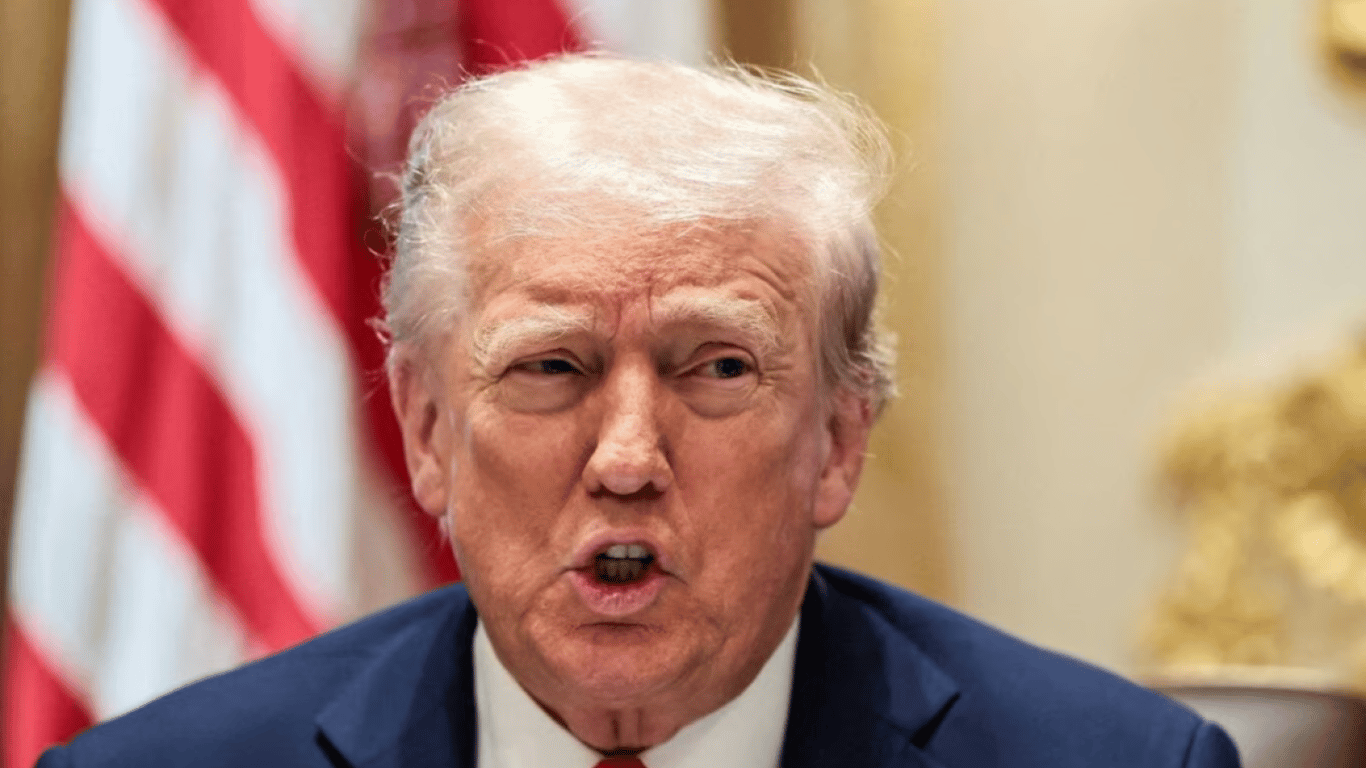
According to Novyny.live: U.S. President Donald Trump recently addressed America's military capabilities, criticizing allies for refusing to assist in unblocking the Strait of Hormuz and discussing the situation with Iran. In his remarks, Trump stated that NATO is essentially the United States, emphasizing that NATO member nations rely on American forces for their defense. He pointed out that other countries—including Europe, China, Japan, and South Korea—receive between 35% and 95% of their oil through the Strait of Hormuz, while the U.S. gets less than 1%.
Operation 'Epic Fury'
Trump also detailed Operation 'Epic Fury,' a campaign targeting Iran. According to him, the operation identified 7,000 targets in Iran, achieved a 90% reduction in ballistic missile launches, and cut drone attacks by 95%. Additionally, over 100 Iranian naval vessels were destroyed, along with the country's air force and air defense systems.
'The fears about NATO, because NATO is us. You can ask Putin. Putin is afraid of us; he is not afraid of Europe at all. He fears the U.S. and the military I built during my first term.' Donald Trump
In his speech, the president highlighted the importance of allied enthusiasm, noting that 'numerous countries have told me they are on their way to this. Some are very excited about it, and some are not. We have helped some of them for many, many years… and the level of enthusiasm matters to me.'
Trump also mentioned the presence of 45,000 American soldiers stationed abroad to protect other nations from threats, but stressed that some allies have expressed a desire not to get involved in the situation. These statements have sparked discussions about the U.S. role in global conflicts and the critical need for allied support during crises.
Trump's comments on U.S. military power and NATO underscore growing tensions between the United States and its allies, while also questioning the international community's readiness for collective action in emergencies. Operation 'Epic Fury' and the focus on Iranian threats reflect the U.S. strategic approach to regional stability, yet reliance on allied backing remains essential for the success of such operations. This context is particularly relevant as debates continue over burden-sharing within NATO and the broader implications for global security.
Read also
- New U.S. Strikes Hit Iran: Chabahar Port Tower Destroyed in Latest Escalation
- China Challenges US Dominance in AI: Xi Jinping Proposes a New Global Body
- Why Russia Sees Turkey as a Viable Negotiation Hub: Three Key Reasons
- Trump Alleges Leak of 220 Million U.S. Voter Records, Demands Investigation
- Trump Declares Victory Over Iran as New Strikes Hit the Strait of Hormuz, Resuming War
- Over 60 U.S. Senators Back New Russia Sanctions: What's at Stake