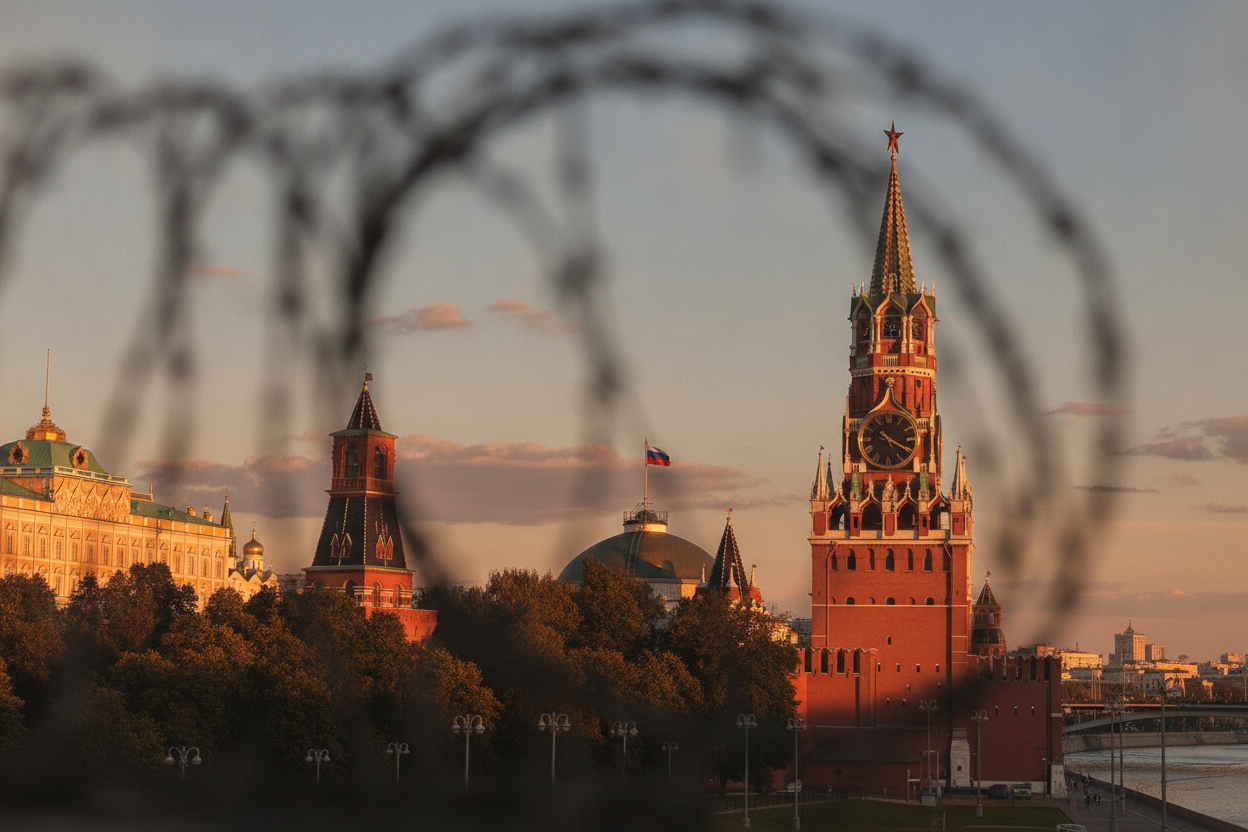
Trump Shifts His Stance on Ukraine: Why Moscow Is Being Blamed for Derailing Agreements.

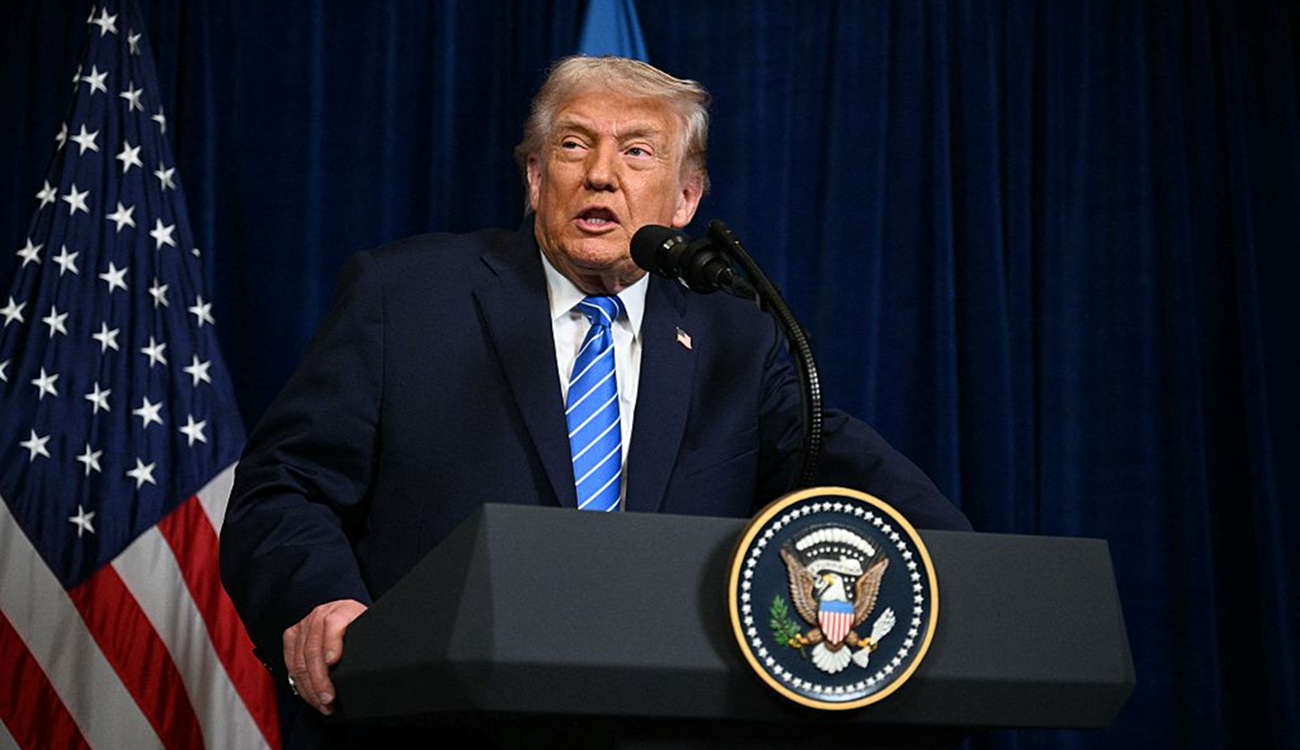
Examining the Russia-U.S. Dynamic
According to UATV: This article explores the evolving relationship between Russia and the United States amid the war in Ukraine, focusing on Donald Trump's recent remarks expressing support for Kyiv and accusing Russia of failing to uphold deals reached during a summit between Presidents Putin and Trump in Alaska in August 2025. That meeting marked a key moment in diplomatic efforts aimed at reducing bilateral tensions.
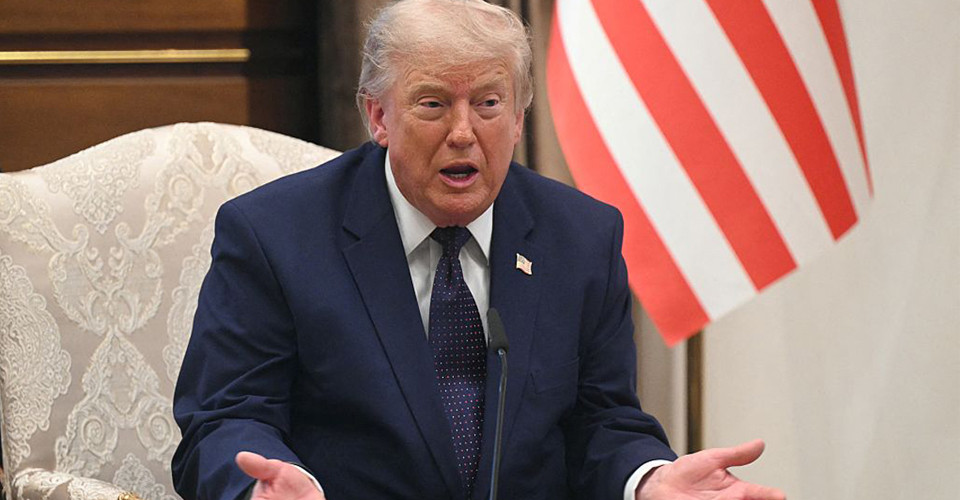
The most recent round of three-way talks involving Ukraine, Russia, and the United States took place on February 18, 2026, in Geneva. A follow-up session was scheduled for March 5, 2026, in Abu Dhabi but never materialized. Against this backdrop, on June 25, 2026, Donald Trump voiced backing for Ukraine, stating that President Zelenskyy is 'doing quite well' in the war against Russia. This comment came as part of a broader shift in Trump's rhetoric, drawing mixed reactions from analysts.
U.S. Support for Ukraine and Russia's Response
At the G7 summit, Ukrainian President Volodymyr Zelenskyy emphasized that Kyiv is turning the tide of the war. He also underscored the need to maintain pressure on Russia, declaring:
'This pressure of ours—and any other form of pressure on Russia—must continue going forward and lead to peace.' - Volodymyr Zelenskyy
In response, Russian representative Yuri Ushakov remarked:
'Only one side remained committed to the agreements that were reached.' - Yuri Ushakov
This situation highlights the complexities of international relations and the ongoing need for diplomacy to resolve the conflict.
- Statements from Donald Trump and President Zelenskyy indicate continued U.S. political support for Ukraine.
- Russia’s position, defending its own interests, reveals the depth of political divisions between the countries.
- Interaction among the parties demands further efforts to achieve regional stability.
- Reducing tensions is possible through diplomatic negotiations.
Read also
- Trump Alleges Leak of 220 Million U.S. Voter Records, Demands Investigation
- 11 Major Issues Signal Zelensky’s Losing Grip on the Military
- Trump Declares Victory Over Iran as New Strikes Hit the Strait of Hormuz, Resuming War
- Over 60 U.S. Senators Back New Russia Sanctions: What's at Stake
- At Kyiv Summit, Zelensky Urges Europe to Maintain Pressure on Russia Through Sanctions
- CIA Director: Russian Soldiers Survive Only 30 Minutes on the Frontline