Four Tourist Hotspots to Avoid in 2026 Due to Overcrowding Issues.

Travel Advice for 2026
According to Novyny.live: Experts are urging travelers to steer clear of four specific destinations in 2026, as these locations are grappling with the negative effects of overtourism. The sites in question include Mombasa, the Canary Islands, Mexico City, and Fiumicino—particularly the coastal settlement of Isola Sacra. Rising visitor numbers and the resulting social tensions have prompted specialists to recommend alternative vacation spots.
Challenges of Overtourism
In 2024, Mombasa—Kenya's second-largest city—welcomed over two million tourists. While this destination remains popular, the influx of visitors has begun to alarm locals. The city now faces infrastructure and service-related issues, which could significantly diminish the quality of the travel experience.
Mexico City is another location suffering from the downsides of tourism. In 2025, protests against tourists erupted there, and by July of that year, local residents had started harassing visitors. This reflects growing friction between the local population and tourists, signaling rising discontent with the constant stream of outsiders.
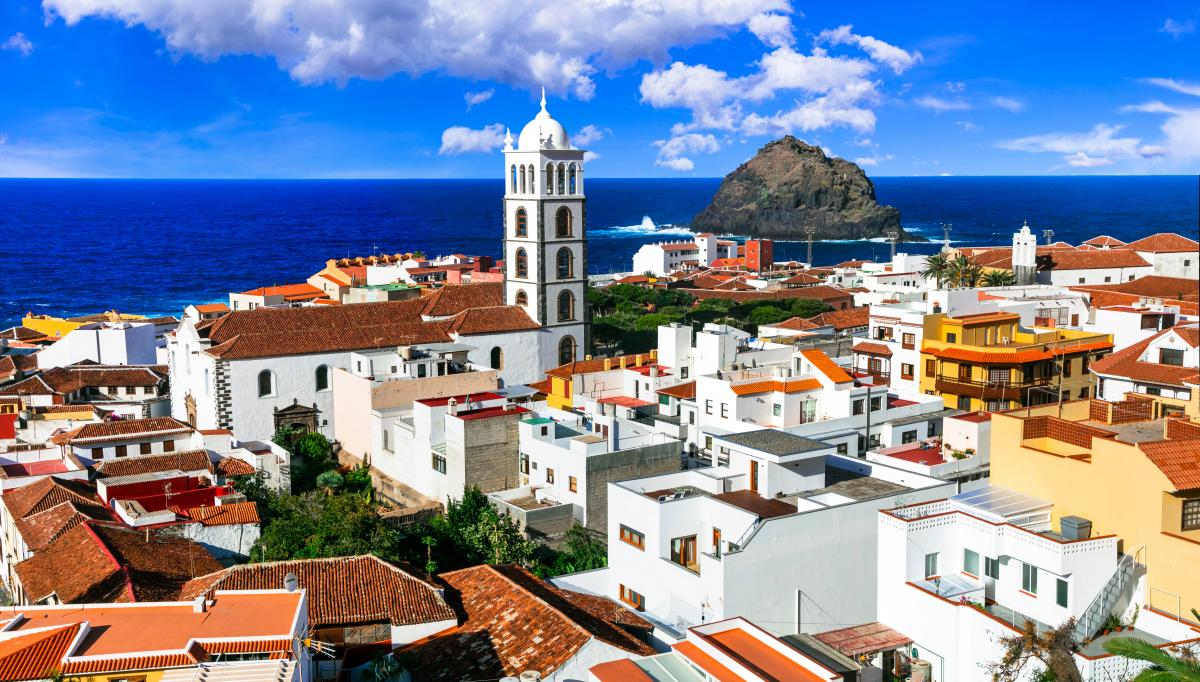
The Canary Islands, famous for their beaches and mild climate, have also made the list. Their immense popularity is now threatening to trigger environmental and social problems. Similarly, Fiumicino—specifically the small coastal area of Isola Sacra—is encountering the same overtourism-related challenges, sparking concern among its residents.
- Mombasa
- Canary Islands
- Mexico City
- Fiumicino
It is also worth noting that one-way tickets to the Maldives range from approximately $350 to $400, while flights from Ukraine to Dubai start at around $100 to $120 per direction. These price differences may encourage travelers to seek less crowded and more affordable alternatives.
In light of these developments, tourists are strongly advised to consider the impacts of overtourism and choose alternative routes for their 2026 vacations. Growing local dissatisfaction could lead to further protests and social instability, jeopardizing not only the tourism industry but also the quality of life in these regions. Opting for less popular destinations may help preserve natural resources and maintain social harmony in areas already strained by excessive visitor pressure.
Read also
- Lufthansa to Charge for Seat Changes Starting July 1: What Travelers Need to Know
- Bath, England Crowned the World’s Happiest City: Top 20 Ranking Revealed
- Eiffel Tower Transforms Into an Open-Air Cinema: Free Screenings 57 Meters High
- Tourists Amazed: The KonMari Method Saves Luggage Space
- Europe’s Top Island Crowned: Tenerife Leads the Ranking with 95 Points
- 5 Cities This Traveler Will Never Visit Again: From New Delhi to Benidorm