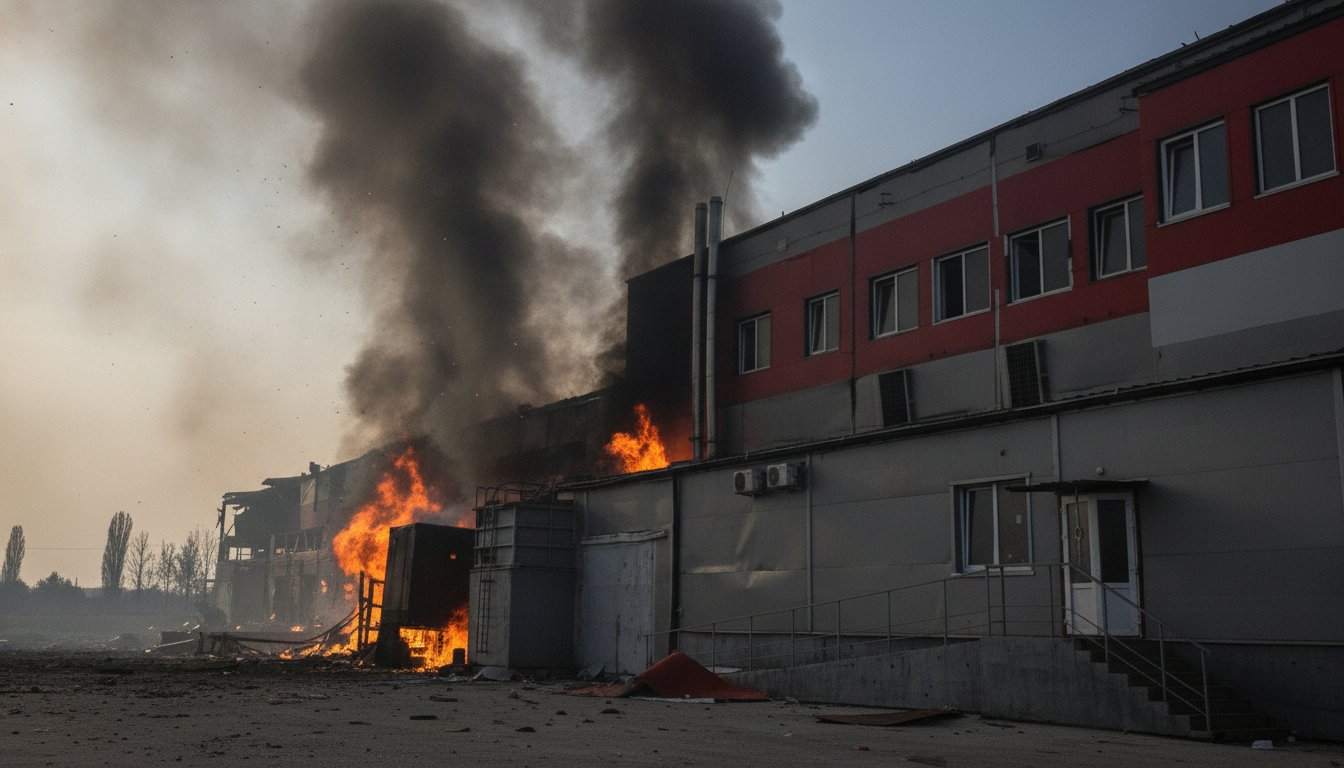
Kyiv Faces Most Severe Power and Water Crisis Since Russian Attack: District-by-District Breakdown.

Kyiv's Critical Infrastructure Following the January 20th Strike
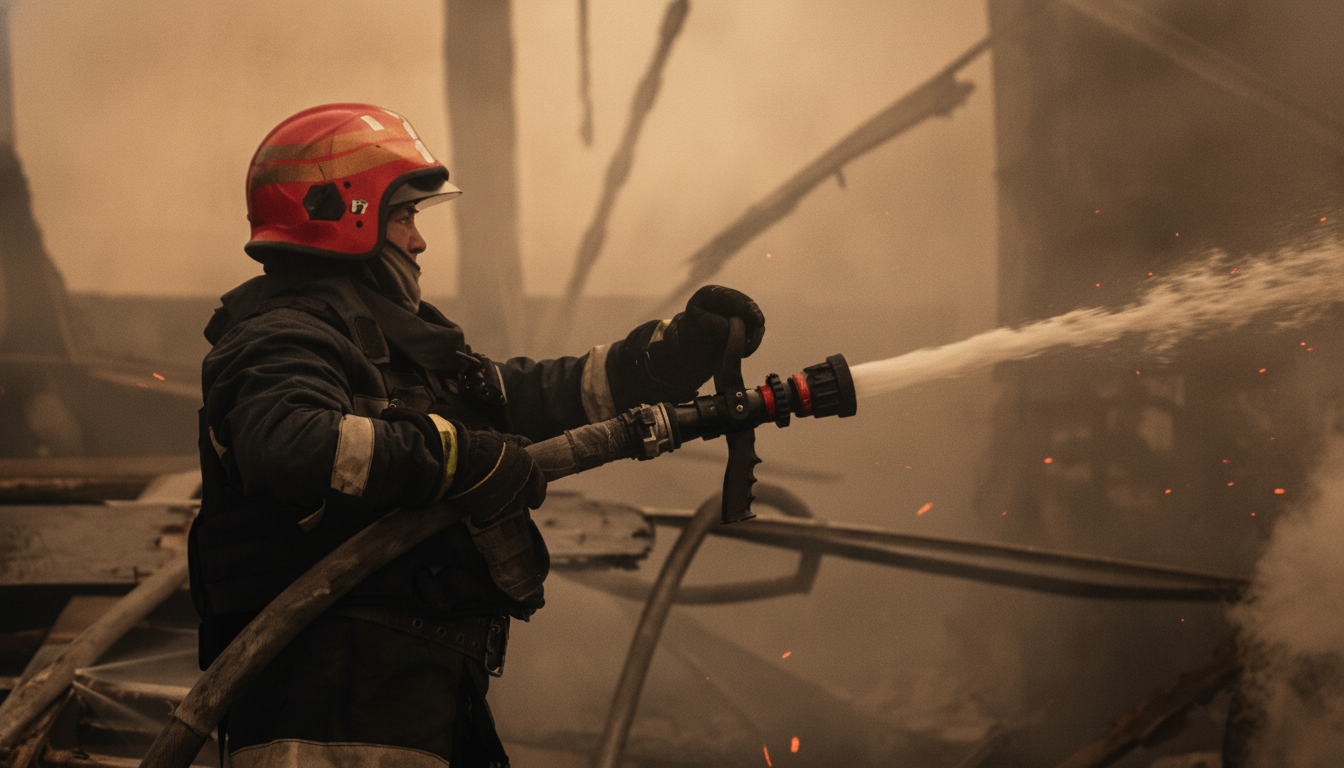
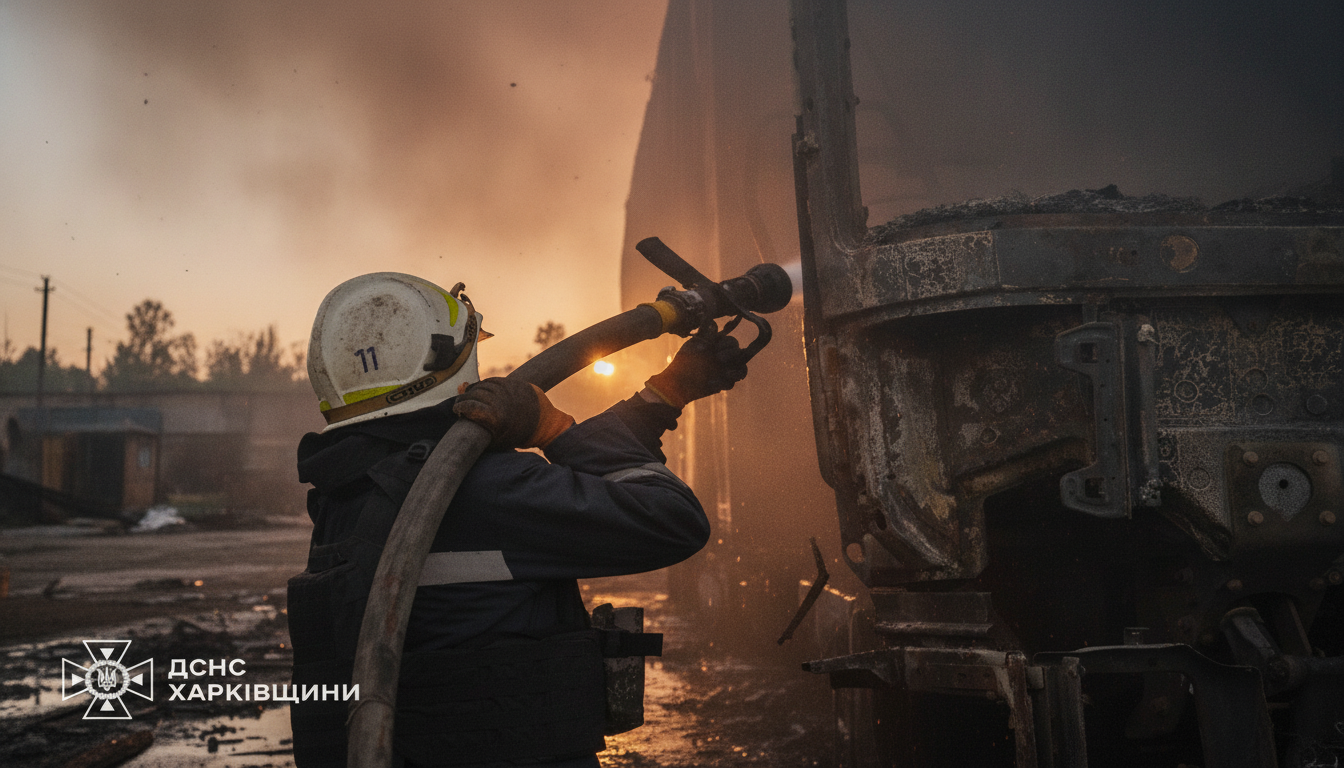
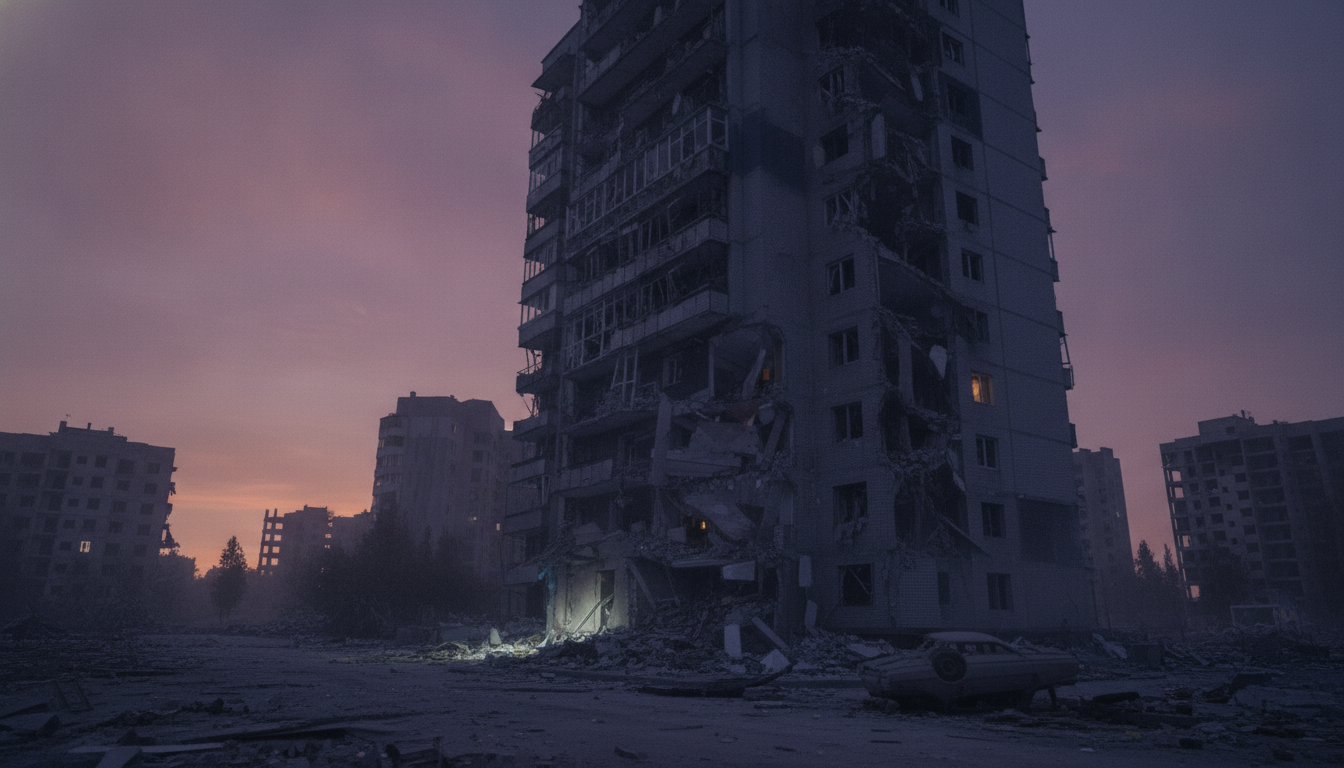
According to Novyny.live: The Russian Federation's mass strike on Kyiv's vital utility systems on January 20th has resulted in the city's most severe disruption to electricity, heating, and water supply since the war began. The Desnianskyi and Pecherskyi districts have been hit hardest, with nearly all buildings there losing power and water.
Current Conditions Across the Capital
The situation varies significantly across Kyiv's districts:
- In the Desnianskyi district, close to 100% of buildings are without heating and electricity.
- In the Pecherskyi district, nearly all buildings also lack cold water supply, with widespread power issues reported.
- Approximately 40% of consumers in the Holosiivskyi, Darnytskyi, and Solomianskyi districts are without heating.
'As of this morning, following the January 9th attack, fewer than ten buildings from those that remained disconnected are still without heating.' Kateryna Pop
She further emphasized that 'the enemy has once again cynically targeted the city's life-support systems and critical infrastructure.' The most critical situation is currently being recorded in the Desnianskyi district.
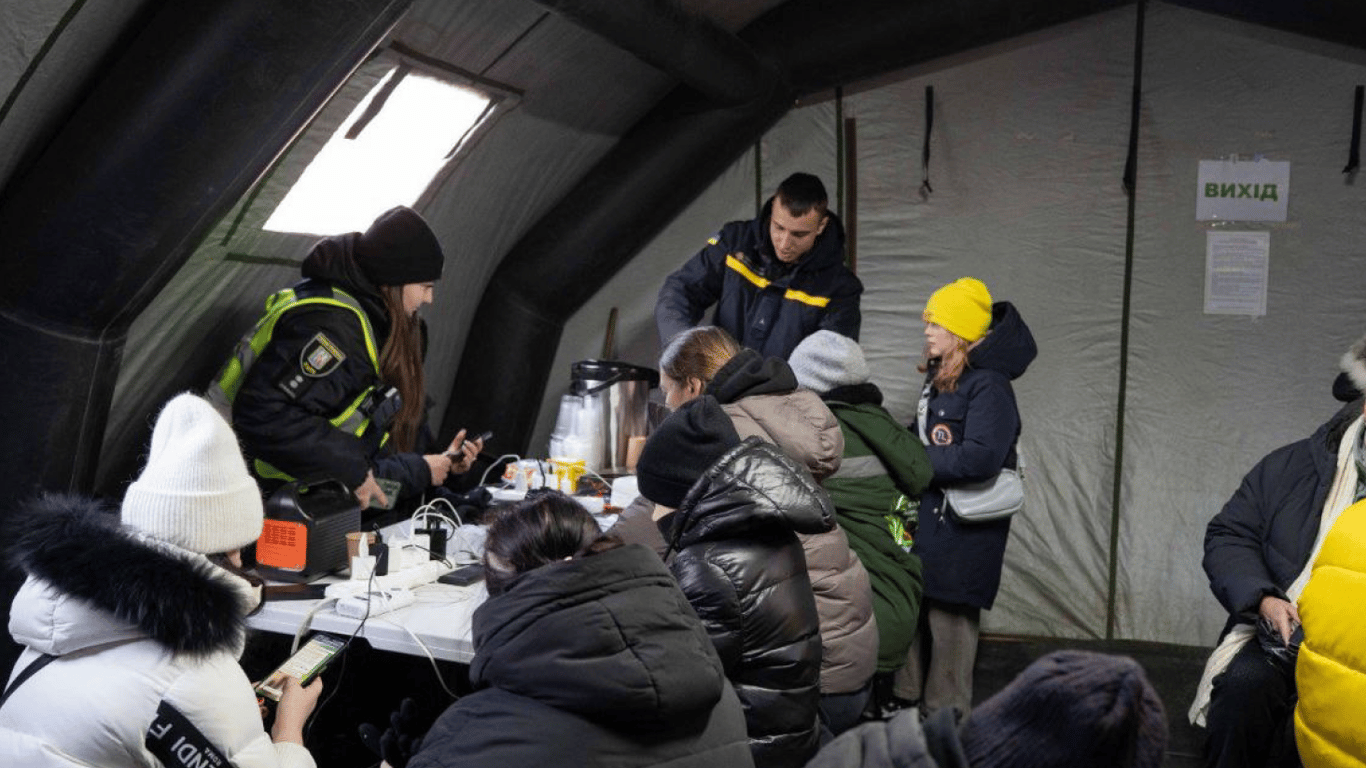
These infrastructure attacks are a consistent feature of Russia's winter warfare strategy, aiming to break civilian resilience. One person was injured in the Dniprovskyi district during the assault and is currently hospitalized. In response to the crisis, Kyiv is activating Resilience Points and State Emergency Service heating shelters. The capital currently has over 1,300 Resilience Points and about 100 heating shelters operational to assist residents under these harsh conditions.
The crisis in Kyiv underscores the severe humanitarian consequences of attacks on critical infrastructure. During winter, the lack of heat and electricity directly threatens the lives and health of residents, especially in the most vulnerable districts. While the deployment of heating and resilience shelters is a crucial step in meeting basic needs, it also highlights the urgent requirement to restore infrastructure and enhance its resilience against future attacks of this kind.
Read also
- 10-Year-Old Girl Dies After Russian Strike on Lozova, Despite Doctors’ Efforts
- July 4 Strike on Kharkiv: Civilian Enterprise Hit, Casualties Reported
- Russian Drone Strikes Civilian Facility in Kharkiv, Injuring Woman and Child
- Five Floors Collapse in Zaporizhzhia Residential Building After Russian Strike; Injuries Reported
- Russian Strike on DTEK Mine Claims Guard's Life, Injures 5, and Forces 86 Miners to Evacuate
- July 3 Strike on Zaporizhzhia: Nova Poshta Driver Killed, Office Damaged