Germany wants to abolish social benefits for Ukrainians: who will lose assistance.
04.08.2025
1226

Journalist
Shostal Oleksandr
04.08.2025
1226
The Prime Minister of Bavaria and leader of the Christian Social Union (CSU) Markus Söder has called for the abolition of the social assistance payment Bürgergeld for refugees from Ukraine. This applies not only to those who will arrive in the future but to all those currently in Germany.
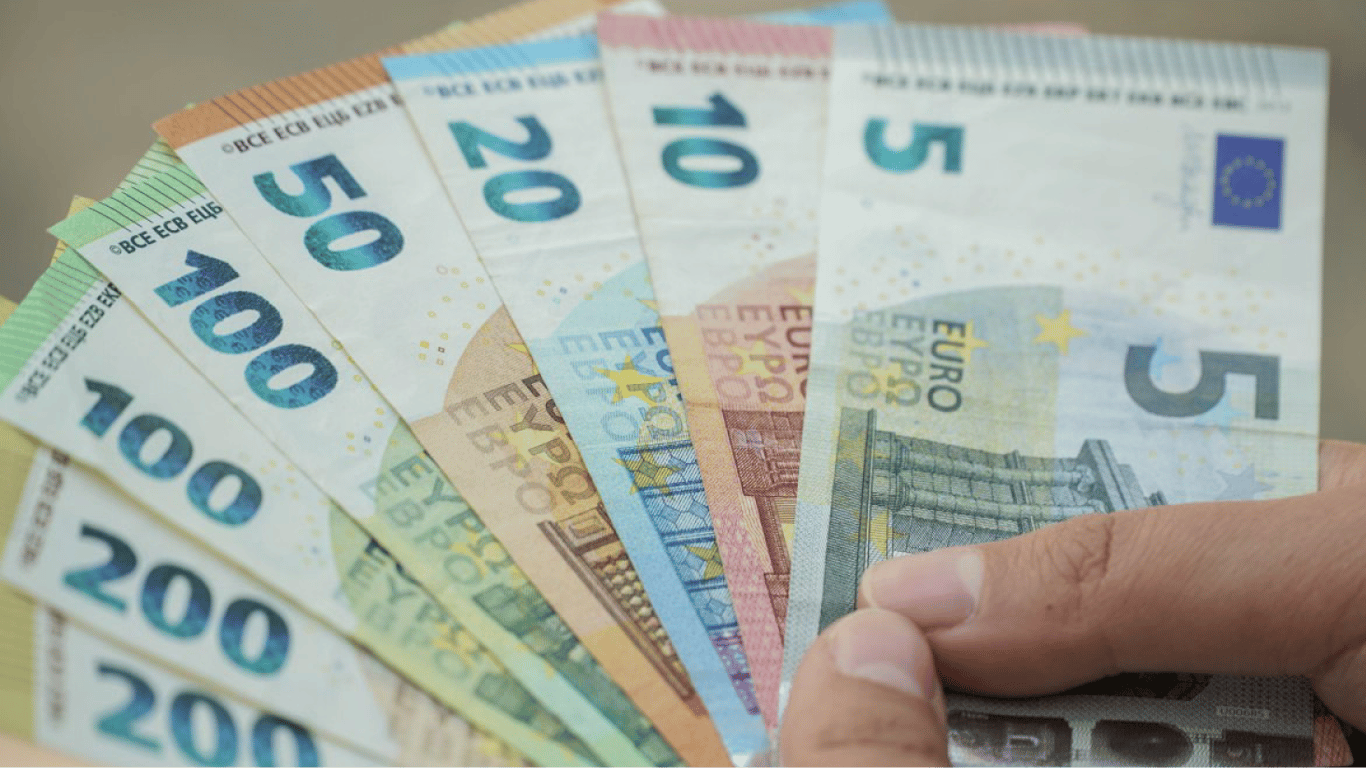
'It is necessary to ensure that for everyone who arrived from Ukraine, there will no longer be Bürgergeld. This should apply to everyone,' said the politician.Söder also added that he wants to 'push' this issue within the coalition. He noted that 'no country in the world cares for Ukrainian refugees like Germany.' This, in the opinion of the CSU leader, is one of the reasons why so few Ukrainians are employed in Germany, despite their high level of education. The publication Bild notes that in 2024, Germany allocated a total of 22.2 billion euros for payments to foreign citizens, including 6.3 billion euros specifically for Ukrainians. Söder's demands go beyond the current coalition agreement, but a final legal decision on this matter has not yet been made. Ukrainians arriving in Germany after April 1 continue to receive the full package of social assistance Bürgergeld. The amount of monthly Bürgergeld payments (for able-bodied individuals) depends on age and family status. Pensioners (aged 65-67) or those who are unable to work can apply for Sozialhilfe, which includes financial support, housing vouchers, food, and hygiene supplies, as well as a one-time assistance for purchasing furniture. The Prime Minister of Bavaria and leader of the Christian Social Union (CSU) proposed to abolish the Bürgergeld social assistance for Ukrainians in Germany and continues to support his position despite the uncertainty in the decision-making. At the end of 2024, expenditures on payments to foreigners in Germany reached 22.2 billion euros, of which 6.3 billion euros were allocated specifically to Ukrainians.
Read also
- EU Accession Talks: Ukraine Opens Sixth Negotiation Cluster, Remaining Topics Delayed Until Fall
- Tensions Between Ukraine's Defense Ministry and General Staff: Is Minister Fedorov's Dismissal on the Horizon?
- Arctic Buildup: How Russia’s Military Expansion Poses New Threats to Norway and NATO
- Kremlin's Fear of Public Backlash: Why Putin Hesitates on a New Mobilization, According to Portnikov
- The Sea of Azov Is Becoming a 'Graveyard of Ships' — What Russia Stands to Lose
- Ukraine Can Destroy Russian Missile Factories: Political Analyst Posternak Outlines Timeline