New Data on Ukrainians in Poland: Who Works, How They Integrate, and Whether They Plan to Stay.

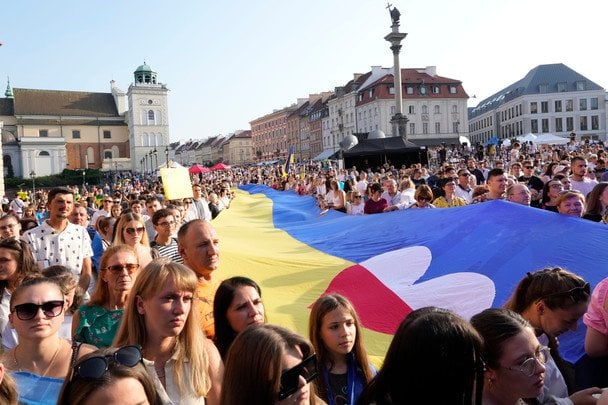
According to ТСН: Poland has already accepted over a million Ukrainians fleeing the war. However, new data debunk many widespread myths and provide a real insight into the lives of Ukrainians in this country.
Migration and Social Adaptation
Migration from Ukraine, which began in February 2022, initially appeared to be a temporary crisis. However, over time this process has transformed into a long-term social adaptation. The latest research conducted among thousands of Ukrainians in Poland gives a clear insight into their lives.
Despite initial difficulties, most Ukrainians who settled in Poland are actively integrating into society. Many of them are working, learning the Polish language, and trying to find their place in the new country rather than relying on social benefits.
Employment and Education
The main incomes of Ukrainians in Poland come from employment. The majority of Ukrainian migrants are employed in industry, trade, gastronomy, and administrative spheres, where there is a high demand for labor. Despite the fact that Ukrainians often work in fields where their qualifications do not meet the requirements, they still strive to integrate and develop.
Interestingly, over 45% of women and over 35% of men who arrived in Poland have higher education. However, the recognition of their diplomas and qualifications is slow, as a result of which many migrants work outside their specialty.
Language Skills and Social Connections
Proficiency in Polish is an important element of integration. Most Ukrainians note that they have a good command of the language, largely due to everyday life: work, children's education, neighborly contacts, and official matters.
Social connections also play an important role in the integration process. More than 70% of Ukrainians stated that they have acquaintances among Poles whom they can turn to for help. These relationships are based on trust, making them particularly important in daily life.
Problems and Future Plans
Despite the difficulties, the research indicates the presence of problems in education, healthcare, and psychological assistance. The heavy burden on institutions often leads to difficulties in providing necessary services for migrants.
Many Ukrainians consider the possibility of staying in Poland for permanent residence. Stable employment, education for children, language proficiency, and the danger of returning to destroyed territories are the main factors affecting this decision.
For Poland, migration from Ukraine has become an important factor in changes in the labor market and social structure. Ukrainians are obtaining more specialized positions, especially in technical and service fields. This could be a significant opportunity for modernizing the Polish economy if institutions can adequately recognize the qualifications and adaptation of migrants.
According to a new bill on the conditions of stay for Ukrainians in Poland, which is awaiting the president's signature, it will be possible to change the status from temporary protection to a three-year residence permit.
Deputy Interior Minister Maciej Duszczyk emphasized that refugees, like all other foreigners, will have access to rights to work, education, and social benefits depending on the legalization of their stay.
The process of changing status will be carried out online through a special system that will automatically transmit data to the voivodeship offices. In case of matching information, refugees will be invited to give fingerprints and receive a residence permit for three years.
The situation with Ukrainians in Poland continues to evolve, and over time we can expect changes in approaches to their integration, which may positively affect the Ukrainian community and Polish society as a whole. Strategic decisions by the state could be crucial for supporting migrants and their adaptation to new living conditions.
Read also
- Easier Path Home for Ukrainians Without Passports: New Policy for Those Born in Occupied Areas
- EU Ministers Weigh Restrictions on Temporary Protection for Ukrainian Men
- EU Extends Temporary Protection for Ukrainians Until 2028: Exceptions Apply
- EU Council Extends Ukrainian Protection Until 2028: New Rules Target Men
- EU Commissioner Confirms Extended Protection for Ukrainians Through 2027: What It Means for Men of Draft Age
- Finland Extends Border Closure with Russia: What It Means for Ukrainians