In Sweden, a couple will go to prison for not brushing their children's teeth.

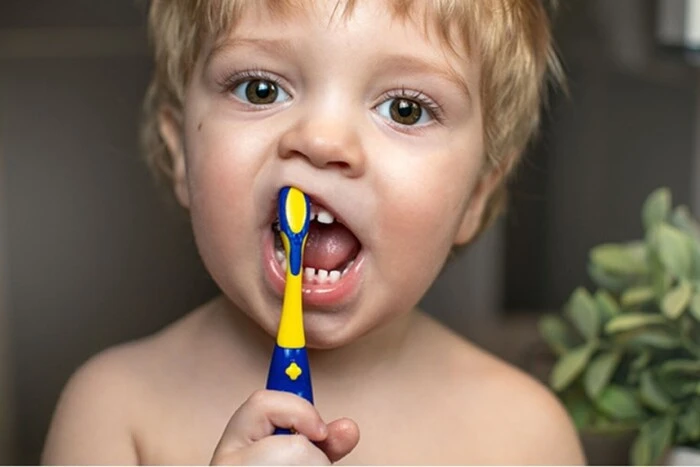
A Swedish family found themselves behind bars due to poor oral hygiene of their children. Three underage siblings visited a dentist with severe caries that was so serious that some teeth could not be saved.
The medical examination revealed a catastrophic state of the children's teeth – all three were diagnosed with severe caries, which had reached such a degree of neglect that several teeth could not be helped..
The dentist emphasized that the state of the oral cavity indicated a lack of basic hygiene and preventive check-ups. After the forced removal of teeth from the children, the doctor reported this to the child protection authorities, which led to an investigation.
The court concluded that the parents systematically ignored their duty to ensure the oral hygiene of their children. According to Swedish law, this is a direct obligation of parents. As a result, both parents were sentenced to eight months in prison.
The Importance of Oral Hygiene
In light of this, it is worth reminding that scientists in the United Kingdom have grown human teeth in a laboratory. Maintaining oral hygiene is crucial for health, especially in children who require special attention and care.
In Sweden, the family was imprisoned for failing to provide the necessary level of oral hygiene for their children. Severe caries in three children led to serious dental problems, and this situation required immediate action from the authorities. The court delivered a verdict against the parents, emphasizing their responsibility for their children's health.
Read also
- Medicare Launches $50 GLP-1 Plan: Who Qualifies for Weight-Loss Drugs?
- Military Personnel Can Request a New Medical Board After Three Months If Their Health Deteriorates
- Nearly Half of Wounded Soldiers Wait Over a Day for Evacuation: Inside Ukraine's Battlefield Rescue Efforts
- 38°C Heat Wave Raises Heart Attack and Stroke Risks: How to Stay Safe
- Earth Braces for Magnetic Fluctuations: Should We Expect a Storm on July 1?
- Summer Car AC: How to Protect Your Health Behind the Wheel