The energy crisis in Ukraine will continue until the shelling stops: explanation from the CEO of Yasno.

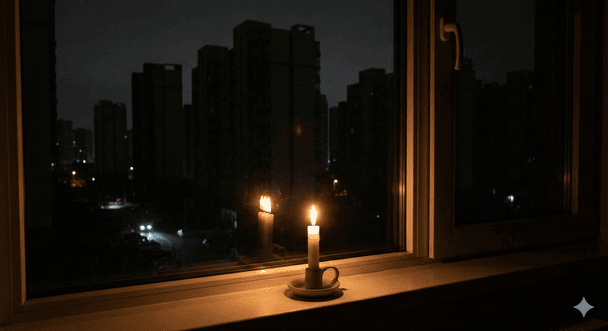
According to ТСН: Problems in Ukraine's energy system will persist until regular Russian shelling ceases.
The CEO of Yasno, Serhiy Kovalenko, noted in an interview that if the strikes stop, energy workers will be able to quickly stabilize the system; however, complete recovery of some facilities may take a week or even months.
Currently, the country faces two simultaneous critical challenges: a shortage of electricity and issues with its delivery to consumers.
Double crisis: shortage and network problems
Kovalenko pointed out that the enemy deliberately targets large generation facilities and distribution networks. This leads to a situation where the generated electricity cannot be delivered to consumers due to damaged transformer nodes and power lines.
The repair time depends on the extent of the damage: while restoring a small transformer takes weeks, repairing large capacities can take months. However, an important condition for the successful completion of repairs is the absence of new shelling.
Non-linear recovery and the energy of the future
Recovery of the energy system after the war will take several years. Kovalenko noted that this process will not be simple, as the system has been under attack for four years. Ukraine needs to seek new pathways for development, including through the implementation of 'green' generation and distributed capacities.
This path is challenging and non-linear, but it is the only possible way to form a resilient and modern energy system after the end of hostilities.
Given the challenges facing the energy system, it is important not only to stop the attacks but also to actively work on restoring and modernizing the infrastructure. Thus, Ukraine can prepare for a future that will require new solutions in energy to ensure stability and independence in the post-war period.
Read also
- 7% of Drafted Individuals Were Eligible for Exemption: What’s Known About Military Office Errors
- Why Netanyahu Held Back Against Iran: Trump’s Role in the Decision
- Why Russia Can't Sustain a Long War: General Malomuzh Reacts to Zelenskyy's Invitation to Putin
- Armenia’s Elections as a Test of Statehood Amid a Hybrid War with Russia
- UK, France, and Germany Reaffirm Support for Ukraine, Outlining Peace Conditions
- Netanyahu Has No Choice but to Accept US-Iran Deal, Trump Claims