Strikes on Tatarstan Refineries Leave Russia With 40% Less Oil Processing and a Fuel Shortage.

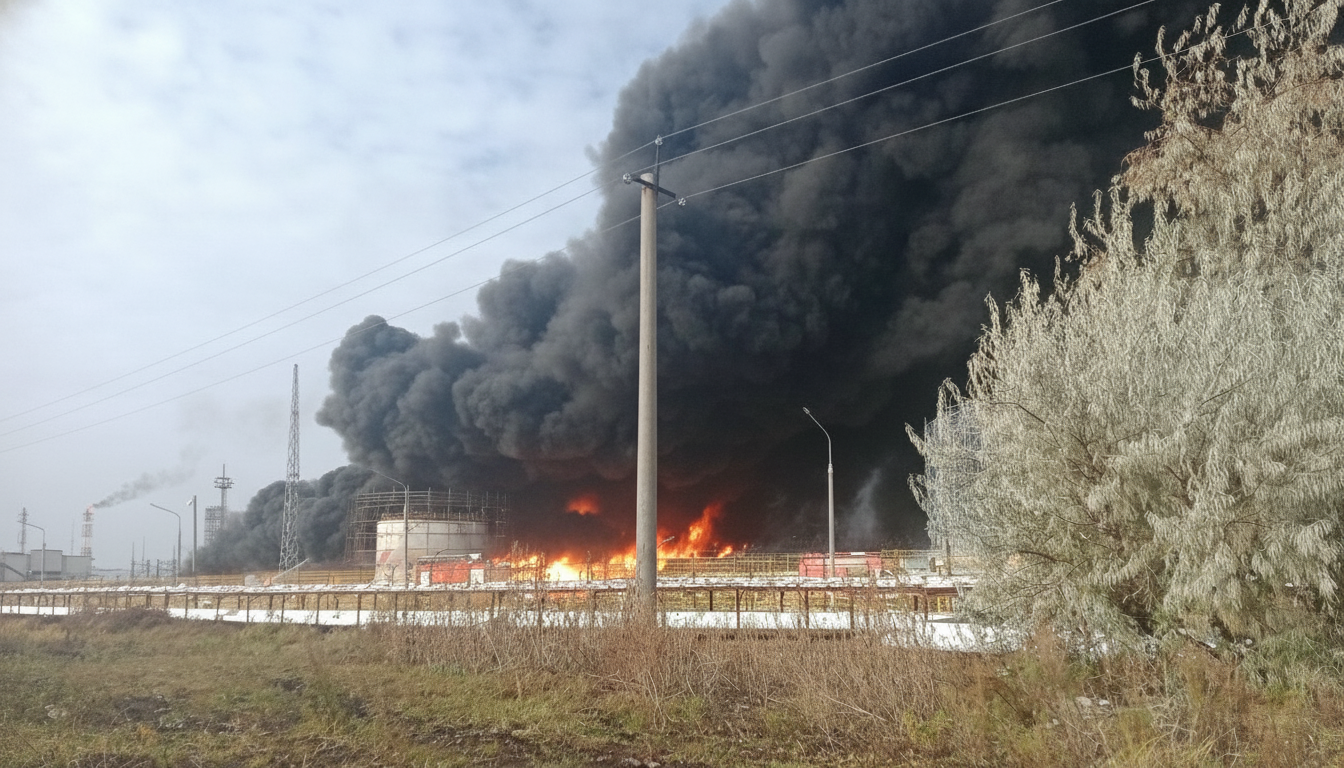
Ukrainian Forces Target Russian Oil Refineries
According to UATV: Ukraine's defense forces have carried out strikes on several Russian oil refineries, triggering a sharp rise in domestic fuel prices and creating a shortage of gasoline across the country. President Volodymyr Zelenskyy reported major damage to Russia's oil industry. Among the targets were two refineries in Tatarstan, including the TANECO facility in Nizhnekamsk, which has an annual design capacity of 16 million tons of crude oil. These attacks have significantly disrupted Russia's ability to process oil and supply fuel to its own market.
Economic Fallout for Russia
Since the beginning of 2026, Ukrainian forces have hit 15 Russian refineries, knocking out 40% of the country's primary oil refining capacity. As a result, Russia's crude oil output dropped to 9 million barrels per day in May 2026—its lowest level in a year. With production declining, the average price of gasoline at Russian filling stations rose by nearly 1% during the first week of June 2026.
Volodymyr Zelenskyy stated that 'the intensity of attacks by Ukraine's defense forces will only increase.'
Meanwhile, according to The Moscow Times, the Russian-controlled city of Sevastopol saw the most dramatic price spike—gasoline jumped 7.5% in just seven days. This highlights worsening fuel supply problems in occupied territories.
Experts note that Russia is gradually turning into a gasoline importer. Maxim Blunt made this observation, emphasizing that the current situation is severely complicating the country's energy resource management. Ukraine's military actions are therefore having a substantial impact not only on the battlefield but also on Russia's economy, especially its refining sector.
Russia's energy situation continues to deteriorate under the pressure of Ukraine's military operations, which could lead to serious economic consequences for the aggressor nation. Reduced refining capacity and rising fuel prices are already causing consumption shortages, potentially fueling social instability within Russia. Further strikes on oil processing plants could worsen this crisis, forcing Moscow to seek alternative fuel supply routes and rethink its energy policy.
Read also
- Ukraine Calls UN Security Council Meeting After Zelenskyy Exposes Russia’s Plan to Mobilize Half a Million Troops
- Zelensky-Era Politicians Hold Sway in Ukraine, a Situation Resembling Russia and Belarus, Says Portnikov
- Aboard HMS Queen Elizabeth: Zelensky and UK PM Forge Agreements on Electronic Warfare and Defense Industry
- Inaugural Talks Between Zelenskyy and Britain's New Premier: Key Issues on the Table
- Ukraine's SBU Issues Draft Summons to Journalist Shulhat Following Vitiuk Wealth Probe
- Financial Times Explores Ukraine's Motivations for a Potential Strike on Iran Over Shahed Drone Deliveries