Why Hungary's EU Blockade of Ukraine is Tied to Russian Oil.

The Strategy of Viktor Orbán
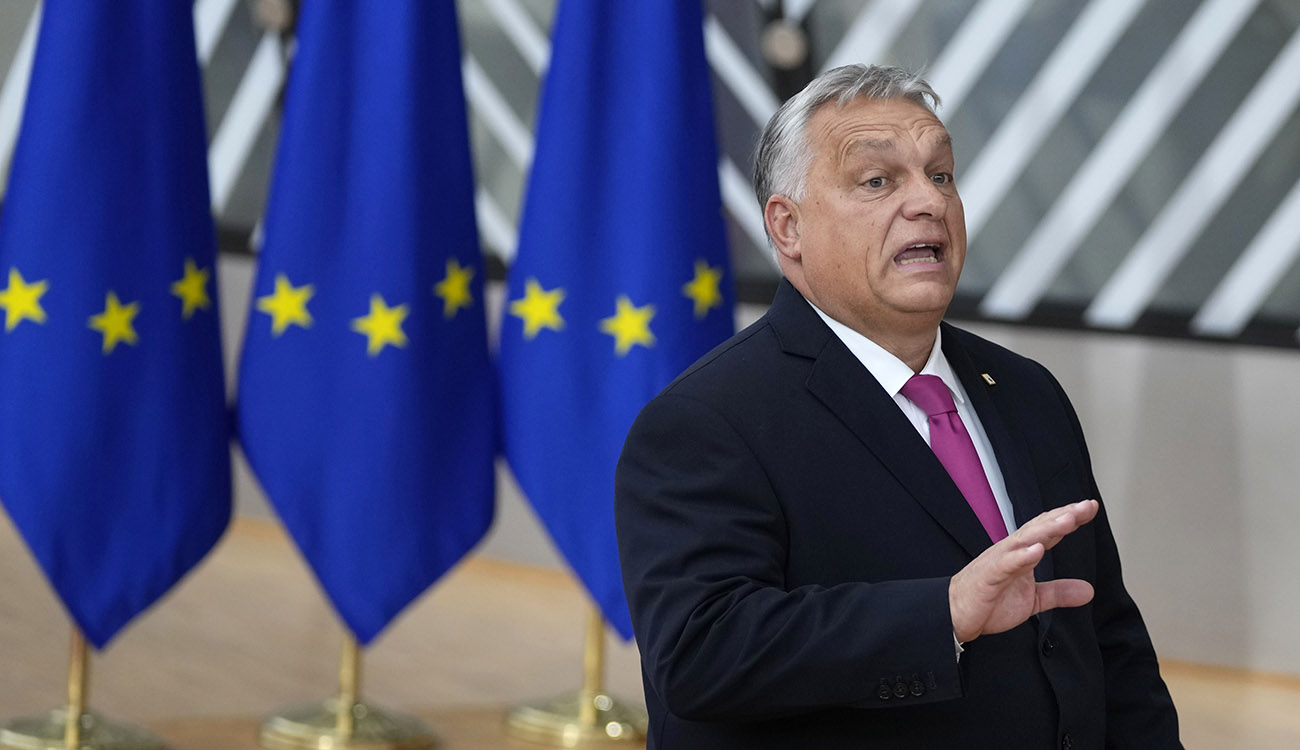
According to UATV: Hungarian Prime Minister Viktor Orbán's political strategy is designed to maintain his power by securing access to Russian energy resources and retaining the loyalty of his rural voter base. A core element of this strategy involves deflecting blame for Hungary's domestic issues onto Ukraine. By framing Ukraine as an external adversary, Orbán consolidates public support around his leadership.
Hungary, like many nations, is experiencing rising fuel prices, which is straining its economy. The start of the planting season further highlights the critical importance of the agricultural sector for social stability, as rural voters form a key part of Orbán's electoral support. This political maneuvering occurs within the broader context of European energy insecurity following Russia's invasion of Ukraine.
Political science candidate Yaroslav Teleshun observes: 'I'm not sure everyone understands that Prime Minister Viktor Orbán specifically needs energy resources from Russia.'
Furthermore, Hungary continues to play a significant role in regional political matters. The country recently detained Ukrainian cashiers transporting millions of dollars and gold, an action that caused concern in Kyiv. Hungary is also blocking Ukraine's progress toward European Union membership, demonstrating Orbán's aim to control foreign policy and energy dependencies.
Orbán's policy, according to Teleshun,
'has long been built on creating opposition and attempts to consolidate domestic society through confrontation with an external aggressor.'This indicates the Prime Minister is strengthening his domestic position by leveraging external threats to consolidate power and maintain public loyalty.
Consequently, Orbán's approach demonstrates a strategic model of governance rooted in external conflict and reliance on Russian energy. This not only shapes Hungary's internal politics but also affects its relations with neighboring states, particularly Ukraine. Amid global economic challenges like rising energy costs, the role of the agricultural sector and social stability becomes even more critical for maintaining popular support. The strategies chosen by Orbán could have profound long-term consequences for the country's future policy and its international relations.
Read also
- Europe and Ukraine Launch Joint Defense Initiatives: Missile Cooperation and Security Guarantees Take Center Stage
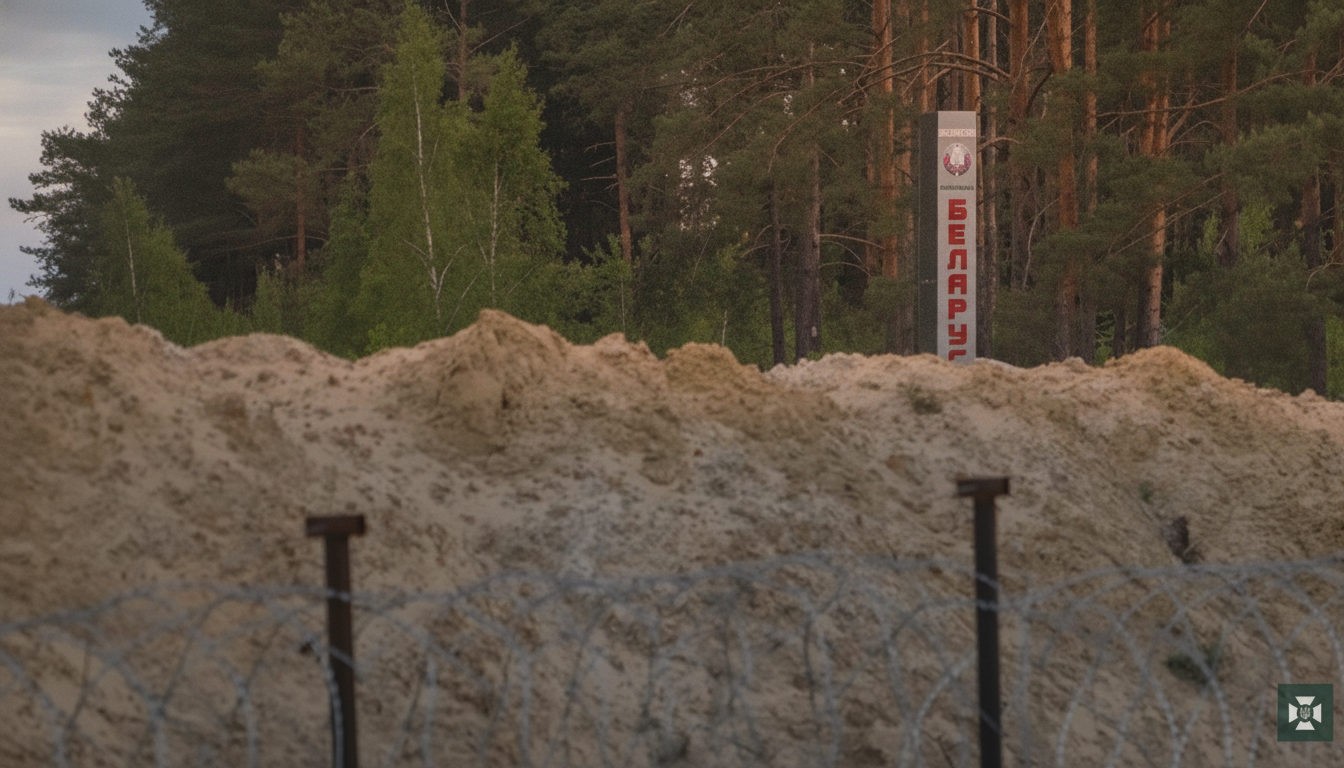
- Concrete fortifications and anti-tank ditches: Ukraine reinforces its border with Belarus
- Moldova and Romania Outraged by German Ambassador’s Remarks on Language and Religion
- Protests Erupt as Defense Minister Fedorov Resigns: Military and Public Push Back
- Germany Raises Threat Level to 'High' and Launches Joint Nuclear Drills with France
- Ukraine’s Ombudsman Calls for Mobilization Overhaul, Warns Impunity at Recruitment Centers Is Radically Polarizing Society