Hungary Is Now a Liability for the EU: Szijjártó Has Traveled to Moscow 16 Times Since the War Began.

Hungary’s Ties to Russia Under Scrutiny
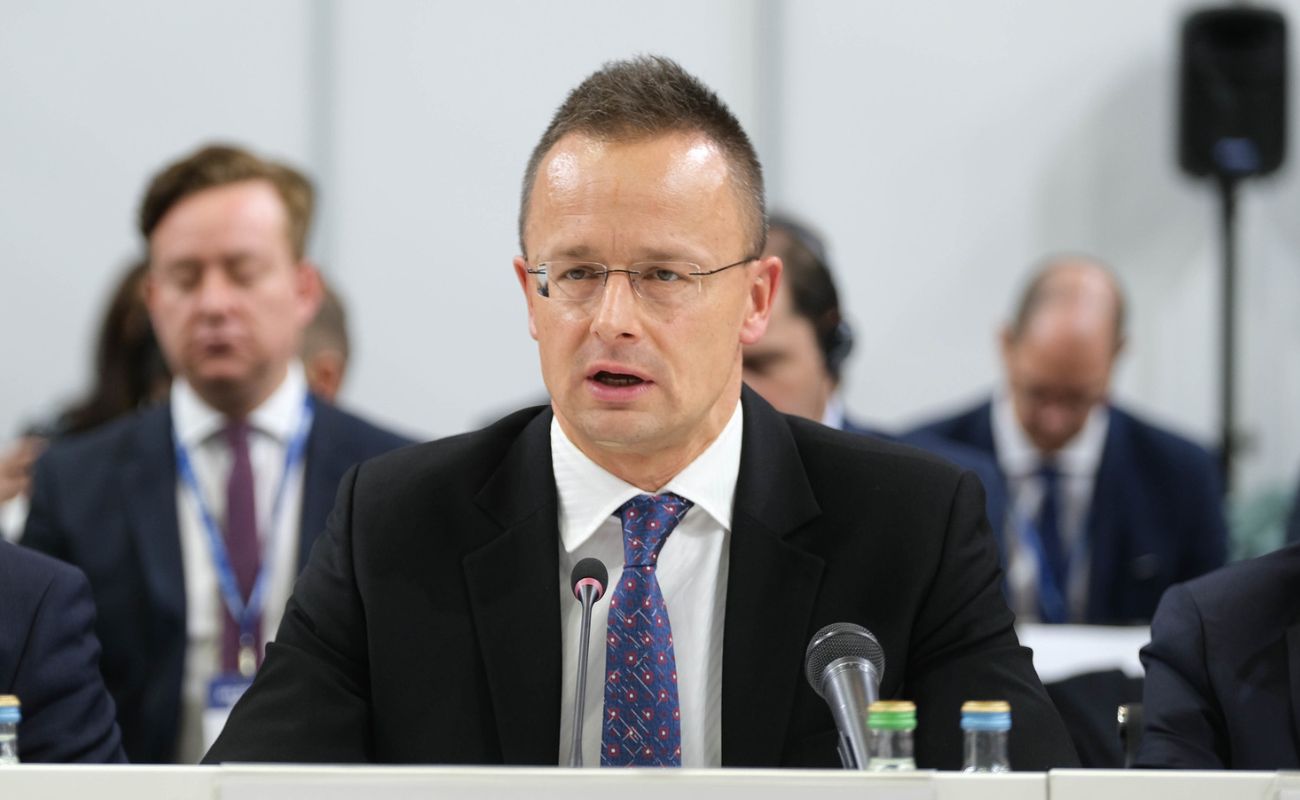
According to UATV: This article examines the deepening connections between Hungary and Russia, with a particular focus on Hungarian Foreign Minister Péter Szijjártó’s role in coordinating with Russian leadership, especially regarding the exchange of sensitive information. Szijjártó has maintained close collaboration with high-ranking Russian officials, most notably Foreign Minister Sergey Lavrov. Since the outbreak of war in Ukraine, Szijjártó has made 16 trips to Moscow—a clear indicator of his active involvement in shaping bilateral relations between the two countries.
On August 30, 2024, the minister returned to Budapest after yet another visit to Russia. His most recent meeting with Russian President Vladimir Putin took place on March 4, underscoring the ongoing dialogue between the Hungarian government and the Kremlin.
Szijjártó stated: 'I communicate not only with Russia’s foreign minister, but also with my American, Turkish, Israeli, Serbian, and other counterparts.'
At the same time, Hungary has come under intense scrutiny from the European Union due to its actions concerning Russia. The EU has excluded Hungary from sensitive discussions over concerns about potential information leaks, a move that could strain the country’s relations with other member states. Hungary’s national elections are scheduled for April 12, and the current political climate may shift the country’s foreign policy stance and its approach to sanctions imposed on Russia.
Szijjártó is expected to release new information next week, signaling that the Hungarian government may continue coordinating with Russia despite mounting pressure from the EU. This situation has raised alarm among other EU member states, as ties with Russia remain a deeply contentious issue across Europe.
Political Landscape
The evolving relationship between Hungary and Russia, particularly through Szijjártó’s activities, highlights the complexity of Europe’s current political environment. The steady dialogue between Budapest and Moscow could have major consequences for Hungary’s domestic and foreign policy, especially with elections approaching. At the same time, tensions between Hungary and the European Union may escalate, potentially affecting how other member states perceive and support Hungarian policies. As such, developments in this area warrant close monitoring.
Read also
- Patriot Interceptors to Be Co-Produced by Ukraine and Raytheon: Key Insights
- EU Adopts 21st Sanctions Package Against Russia: Banks, Crypto, and Shadow Fleet Hit
- Ireland Pledges €125 Million to Ukraine: €100 Million for Non-Lethal Military Gear
- Azerbaijani President Aliyev's Statements on Ukraine Garner 1.9 Million Views at Shusha Media Forum Featuring Ukrainian Outlets
- Syrskyi’s Criticism of Military Contracts: What Changes After His Dismissal
- Ukrainian Foreign Minister Holds Talks with European Counterparts on Black Sea Security and Air Defense