Ukraine Passes Law Banning the Russian Orthodox Church: Lawmaker Claims Moscow-Linked Church Operates as FSB Agents.

Ukraine's Parliament Bans the Russian Orthodox Church
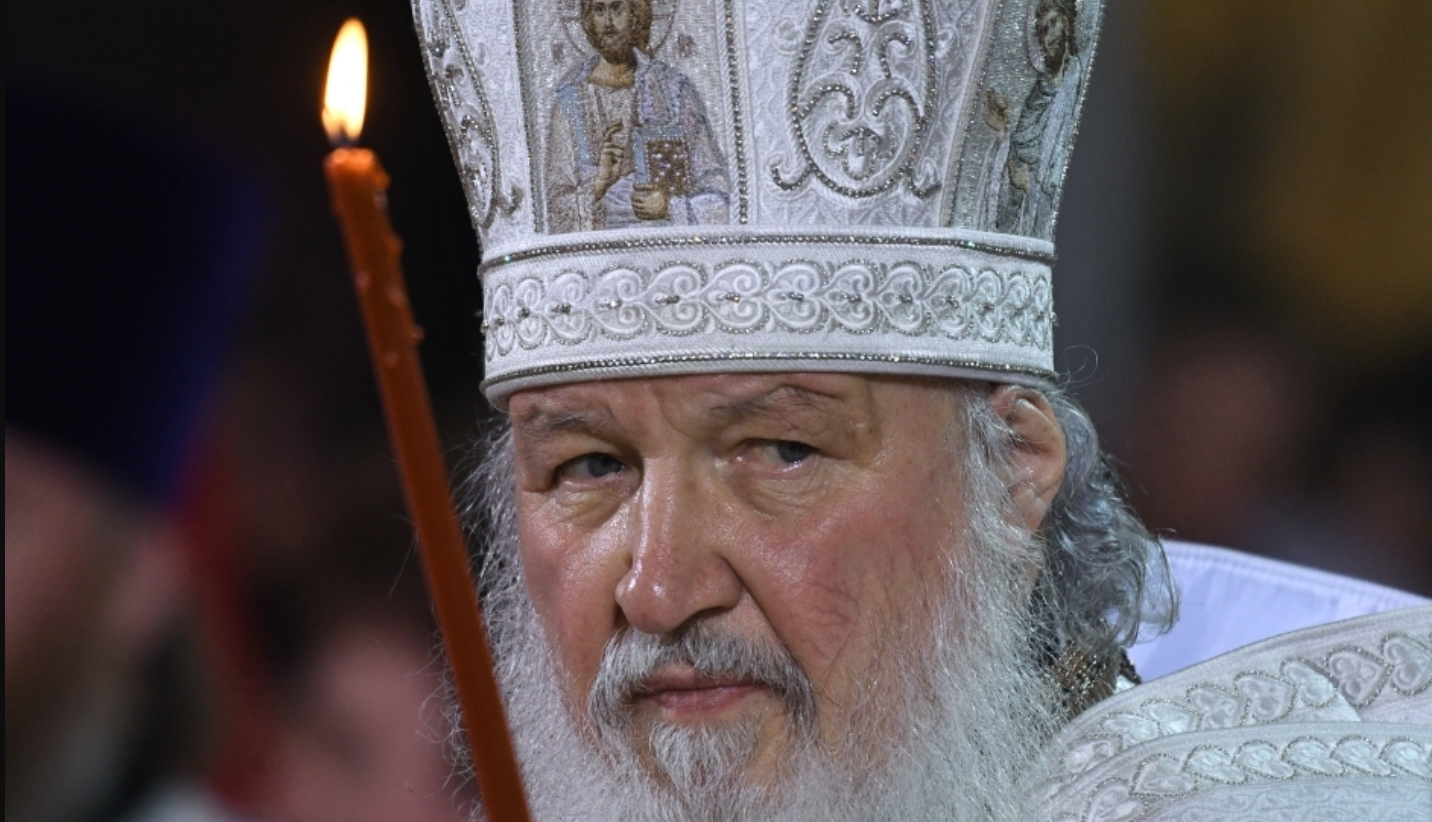
According to Espreso.tv: On August 20, 2024, Ukraine's parliament approved a bill prohibiting the activities of the Russian Orthodox Church (ROC) within the country. This decision follows years of growing public demand in Ukraine to sever ties with Moscow. A significant majority of Ukrainians support breaking away from the ROC, reflecting a strong desire for religious independence.
According to surveys, more than half of Ukrainians favor a complete ban on pro-Russian religious organizations. This highlights increasing tensions between faith groups linked to Russia and the broader Ukrainian society.
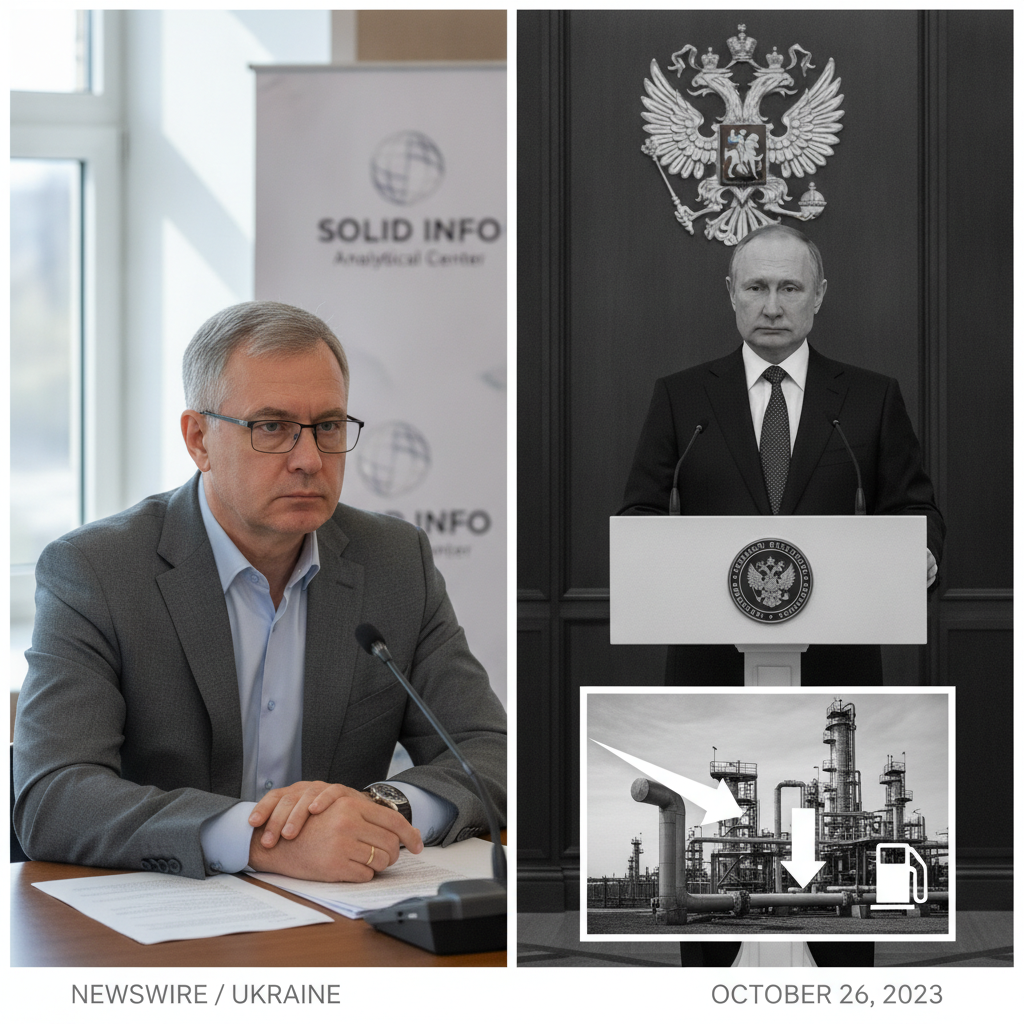
Mykola Knyazhytskyi: 'The structure of the Ukrainian Orthodox Church under the Moscow Patriarchate can operate as part of a broader information and influence network tied to Russia.'
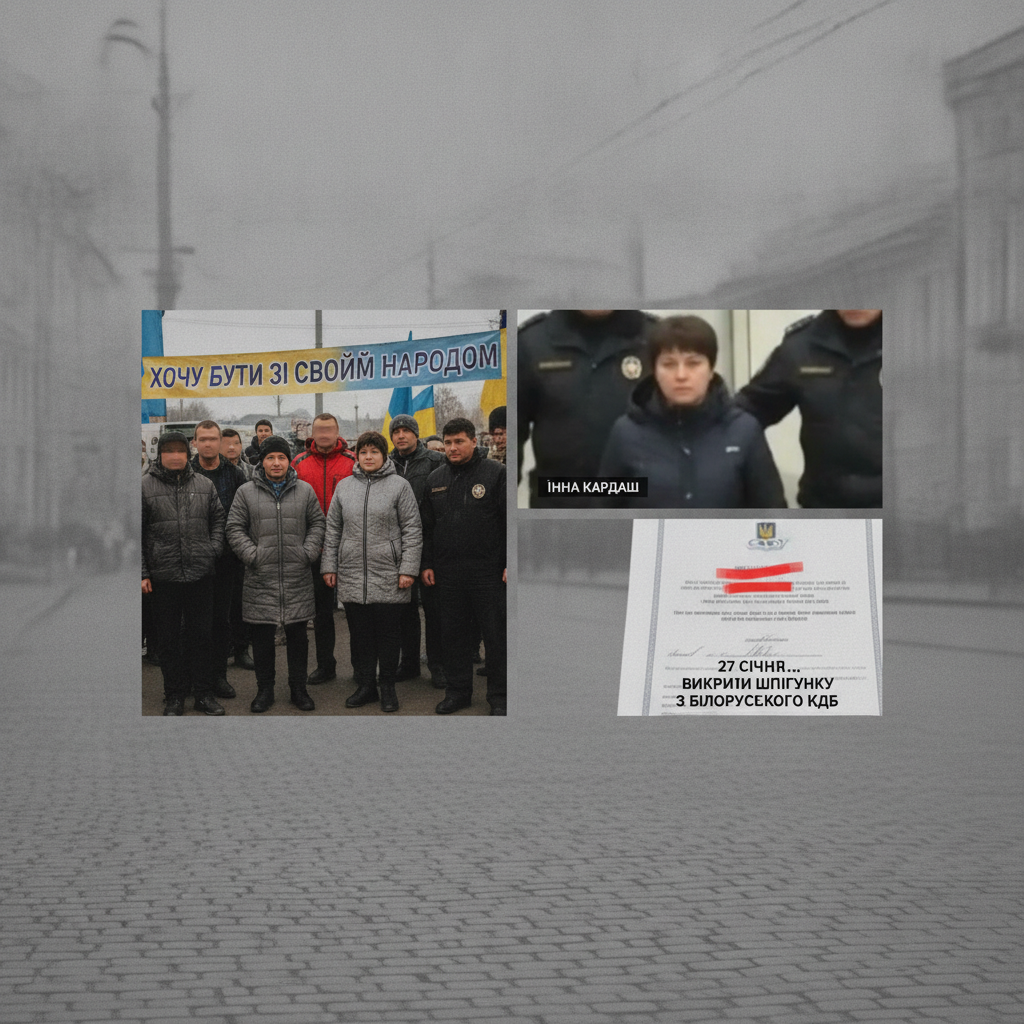
This underscores the importance of understanding the church's role amid today's political and social challenges. Knyazhytskyi further noted that 'these priests are very often FSB agents or individuals connected to them.' Such statements raise serious concerns about national security and identity in Ukraine. As the country pushes for sovereignty and self-definition, the issue of influence from religious organizations linked to the aggressor state becomes increasingly urgent.
Impact on Ukraine's Religious Landscape
Ultimately, the enactment of this law banning the ROC in Ukraine marks a critical step in addressing national security and public sentiment. The move reflects Ukrainians' determination to cut ties with Moscow and bolster religious independence.
This prohibition is expected to significantly reshape the country's religious dynamics, particularly by altering the balance of influence among various denominations. It may also act as a catalyst for further religious reforms, driven by the need to strengthen national identity and security. In light of recent events, it will be essential to monitor how religious communities and the public respond to these changes, as well as the potential consequences for interfaith relations in Ukraine.
Read also
- Attack on Ukrainians in Wroclaw: Lawmaker Knyazhitsky Weighs In on Police Handling
- Sopot Becomes First Polish City to Officially Condemn Anti-Ukrainian Sentiment with Landmark Council Resolution
- Why the Dismissals of Fedorov and Syrskyi Raise Concerns: What Comes Next
- Poetry, Music, and Remembrance: Honoring Olena Teliha at Babyn Yar
- Knyazhitsky Warns of Deepening Crisis in 'Servant of the People' Faction: What’s Happening Inside
- Forgiveness and Guilt: The 200,000 Ukrainians in Poland’s Army and the Tragedy of 1943