Poetry, Music, and Remembrance: Honoring Olena Teliha at Babyn Yar.

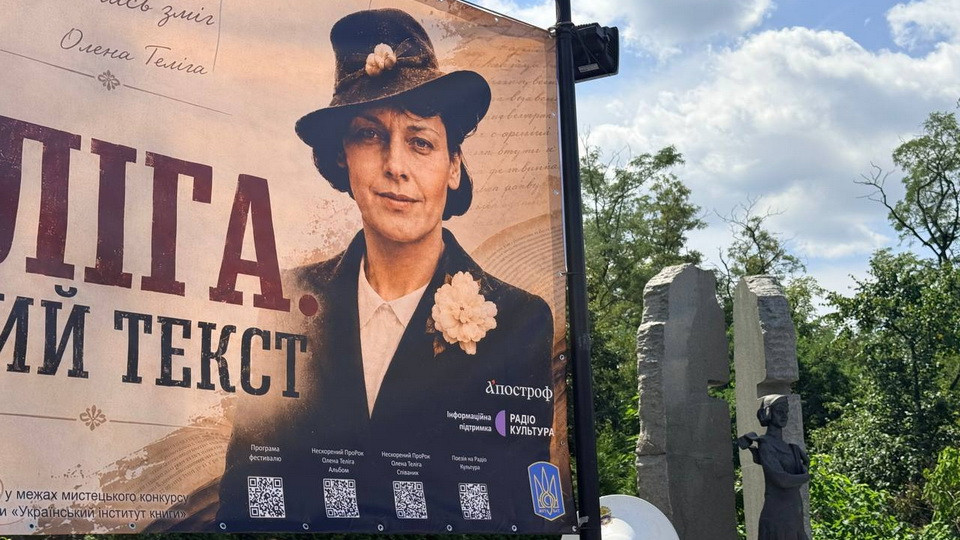
Event Dedicated to Olena Teliha
According to Espreso.tv: A commemorative gathering took place at Babyn Yar near the monument to Olena Teliha, where her poetry and music filled the air. The event brought together contemporary Ukrainian poets, an orchestra, and public figures who underscored the enduring significance of Teliha’s legacy. This location, a site of mass executions during World War II, served as a poignant backdrop for the tribute.
Attendees heard readings of Teliha’s poems and performances by the orchestra of the Main Directorate of the National Guard of Ukraine. Born on July 21, 1906, Teliha arrived in Kyiv in the autumn of 1941. Her literary work and active civic engagement made a profound impact on Ukrainian culture, but she ultimately fell victim to repression. On February 9, 1942, German occupying forces arrested Olena Teliha and her husband Mykhailo; they were executed by firing squad at Babyn Yar on February 21 of that same year.
The Importance of Remembering Teliha
Public figures highlighted the need to preserve her memory:
- Tanya Sha Shamshutdinova expressed hope that
“all the people passing by would stop, look at the monument, and listen to the music”
; - Bohdan Chervak stressed that
“we must remember that Olena Teliha died as a member of the Organization of Ukrainian Nationalists”
; - Mykola Knyazhytskyi emphasized that “we must do everything to ensure that Ukrainian poets and writers do not have to fight and die young.”
This event served as a powerful reminder of the immense value of Ukrainian culture and of those who gave their lives for Ukraine’s freedom and independence. Honoring Olena Teliha’s memory and her contributions to literature remains deeply relevant for contemporary Ukrainian society. Such gatherings help preserve historical memory and underscore the role of cultural figures in the struggle for national identity.
Read also
- Knyazhitsky Warns of Deepening Crisis in 'Servant of the People' Faction: What’s Happening Inside
- Forgiveness and Guilt: The 200,000 Ukrainians in Poland’s Army and the Tragedy of 1943
- Ukraine’s Premier Shuffle: What It Means for Military Support
- The War on Civilians: What’s Happening in Occupied Kherson, Mariupol, and Donetsk
- Knyazhytsky Warns of Threat from Poland’s Far-Right: Who Benefits?
- Zelensky Imposes Sanctions on 42 Russians: What It Means for Ukraine’s Global Standing