Forgiveness and Guilt: The 200,000 Ukrainians in Poland’s Army and the Tragedy of 1943.

How Ukrainians and Poles View Their Shared History
According to Espreso.tv: The relationship between Ukrainians and Poles remains a deeply complex and contentious topic. Central to this are two pivotal events: the mobilization of Ukrainians into the Polish army in 1939, and the violence perpetrated against Poles by individuals of Ukrainian origin in 1943. These episodes have left lasting scars on both nations, shaping their collective memory and mutual perceptions.
In 1939, approximately 200,000 Ukrainians were drafted into the Polish armed forces. This move sparked mixed reactions within the Ukrainian community, as many found their loyalty to Poland questioned. Yet another, equally painful chapter unfolded in 1943, when several thousand Polish citizens of Ukrainian descent were implicated in the killing of Polish civilians. According to some Polish historians, the death toll from this violence reached tens of thousands, with estimates approaching nearly 100,000 victims.
Contemporary Discussions of Historical Events
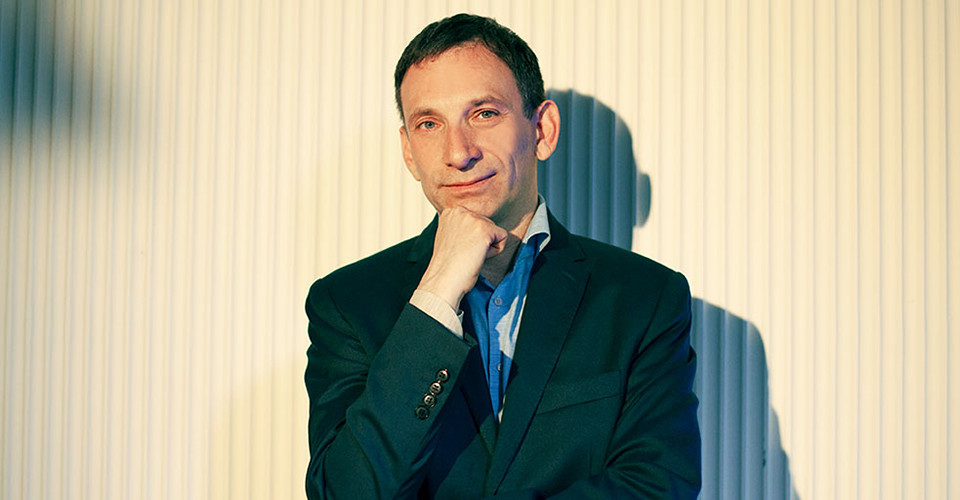
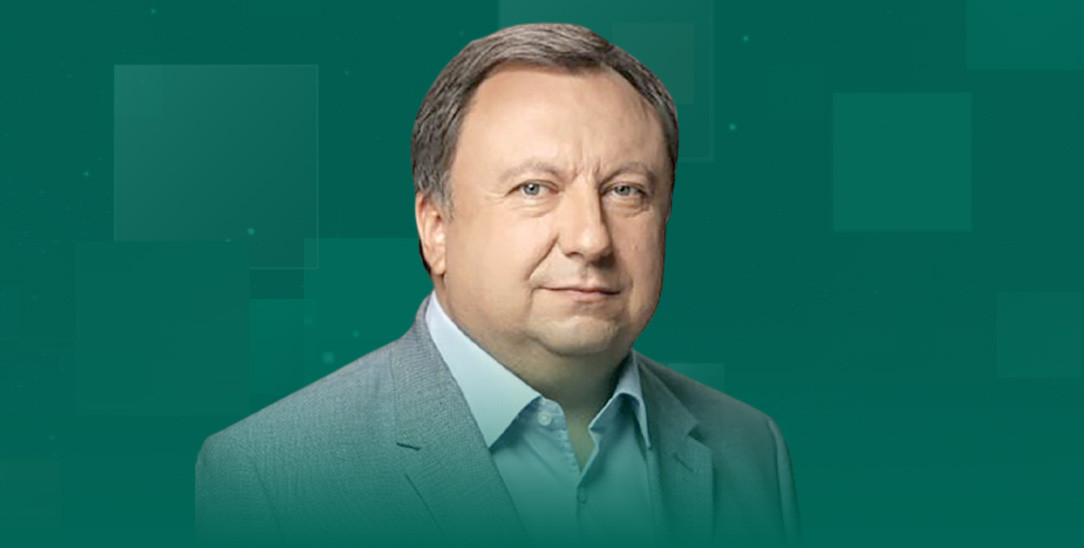
These events continue to fuel debate today. Mykola Kniazhytskyi shared his perspective on this history, stating:
“I forgive and ask for forgiveness.” - Mykola Kniazhytskyi
His words reflect a desire for mutual understanding and reconciliation between Ukrainians and Poles, despite the painful and tragic chapters in their shared past.
Ultimately, the ongoing discussion about how Ukrainians and Poles relate to their history underscores the need for empathy, remembrance, and reconciliation—essential elements for building future ties between the two peoples.
Given the importance of reconciliation, these historical debates can serve as a foundation for stronger bilateral relations. In light of modern challenges, such as the war in Ukraine and regional conflicts, a willingness to understand the past and find common ground may be key to forging a stable partnership. It is crucial that both nations continue to engage in dialogue and work toward long-term relationships grounded in mutual respect and historical awareness.
Read also
- Ukraine’s Premier Shuffle: What It Means for Military Support
- The War on Civilians: What’s Happening in Occupied Kherson, Mariupol, and Donetsk
- Knyazhytsky Warns of Threat from Poland’s Far-Right: Who Benefits?
- Zelensky Imposes Sanctions on 42 Russians: What It Means for Ukraine’s Global Standing
- Ukraine Faces Two Futures: Russia’s Economic Collapse or a Decline in European Support, Says Knyazhitsky
- Russia May Target Poland in Provocation, Warns US Intelligence — Implications for Ukraine