Ukraine's Air Defense Could See Major Gains in Intercepting Iranian 'Shahed' Drones.

Reducing the Threat from 'Shahed' Drones
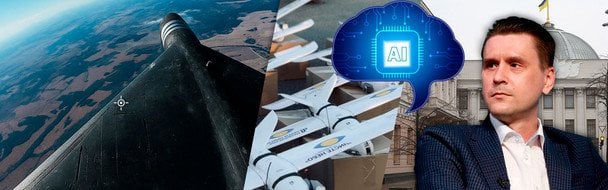
According to TSN.ua: Roman Kostenko, Secretary of the Parliamentary Committee on National Security, Defense, and Intelligence, has stated that Ukraine can significantly reduce the threat posed by Iranian-made 'Shahed' drones. This would be achieved by developing and deploying mass-produced interceptor drones in an operational state. According to Kostenko, this innovation could boost the effectiveness of Ukraine's air defense systems by tens of percentage points. Currently, the average interception rate for 'Shahed' drones is 83-85%, though it reached 90-95% last year. These drones are a primary tool in Russia's ongoing campaign of long-range strikes against Ukrainian cities.
Challenges for Air Defense Systems
Despite this optimistic outlook, experts stress the need for continued improvements in air defense efficacy. Oleksandr Kovalenko noted that
"claims about the potential neutralization of a phenomenon like the 'Shaheds' are overly optimistic."He added that no air defense system in the world can guarantee a 100% interception rate for all targets.
It is worth noting that last year alone, more than 50 different modifications of the 'Shahed-136' drone were recorded. These changes in the drones' design and functionality can complicate the task for Ukrainian air defenses, especially in protecting key urban centers such as:
- Kyiv
- Sumy
- Kharkiv
- Zaporizhzhia
- Odesa
Thus, despite significant achievements by Ukrainian air defense, the path to ending the era of drone attacks remains long and will require constant effort in refining technologies and defense strategies.
Mitigating the 'Shahed' drone threat is a crucial step in strengthening Ukraine's national security. Implementing new technologies in air defense could substantially improve the protection of critical infrastructure. However, given the dynamic evolution and modifications of enemy drones, Ukraine must remain at the technological forefront and continually adapt its strategies in the face of persistent challenges. This underscores the importance of international cooperation in defense and technological support.
Read also
- 7% of Drafted Individuals Were Eligible for Exemption: What’s Known About Military Office Errors
- Why Netanyahu Held Back Against Iran: Trump’s Role in the Decision
- Why Russia Can't Sustain a Long War: General Malomuzh Reacts to Zelenskyy's Invitation to Putin
- Armenia’s Elections as a Test of Statehood Amid a Hybrid War with Russia
- UK, France, and Germany Reaffirm Support for Ukraine, Outlining Peace Conditions
- Netanyahu Has No Choice but to Accept US-Iran Deal, Trump Claims