Ukraine Paralyzes Russia's Shadow Fleet in the Sea of Azov with 116 Vessels Struck.

Major Blows Against Russian Naval Assets in the Sea of Azov
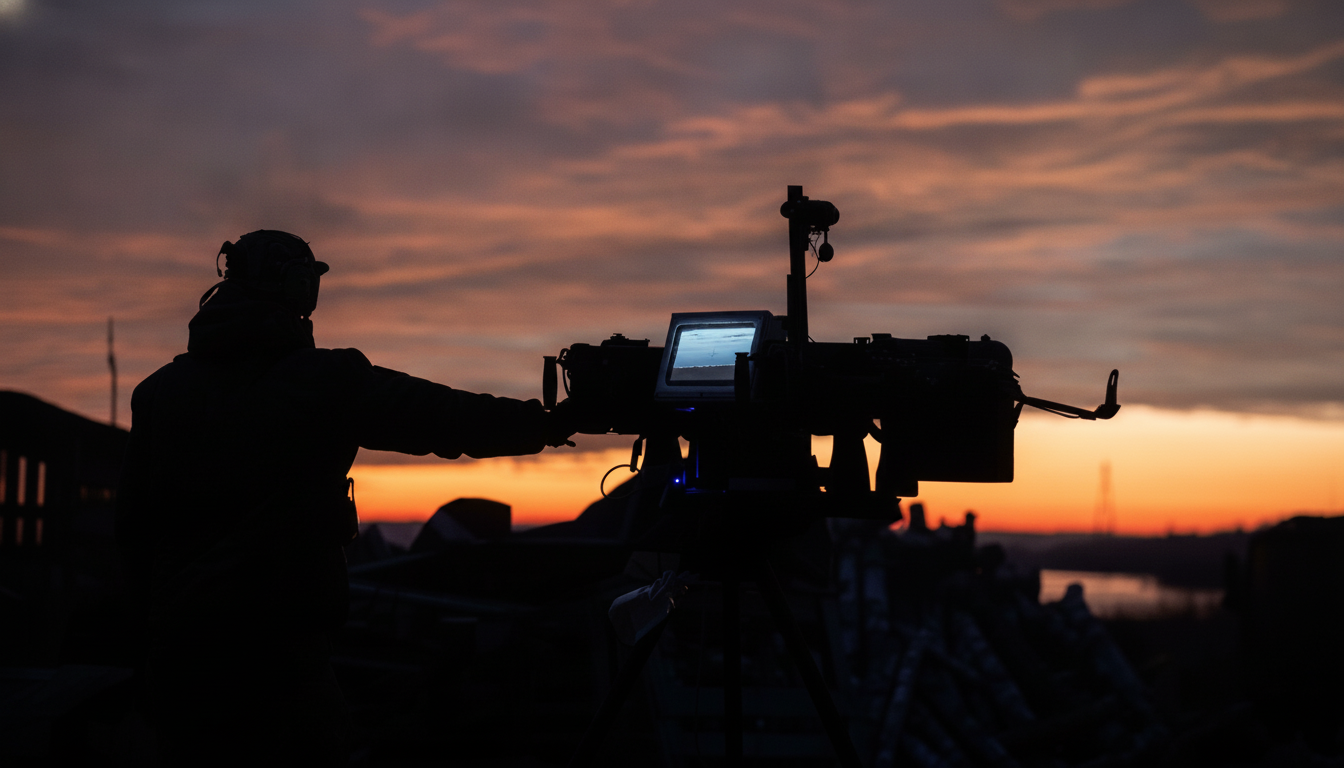
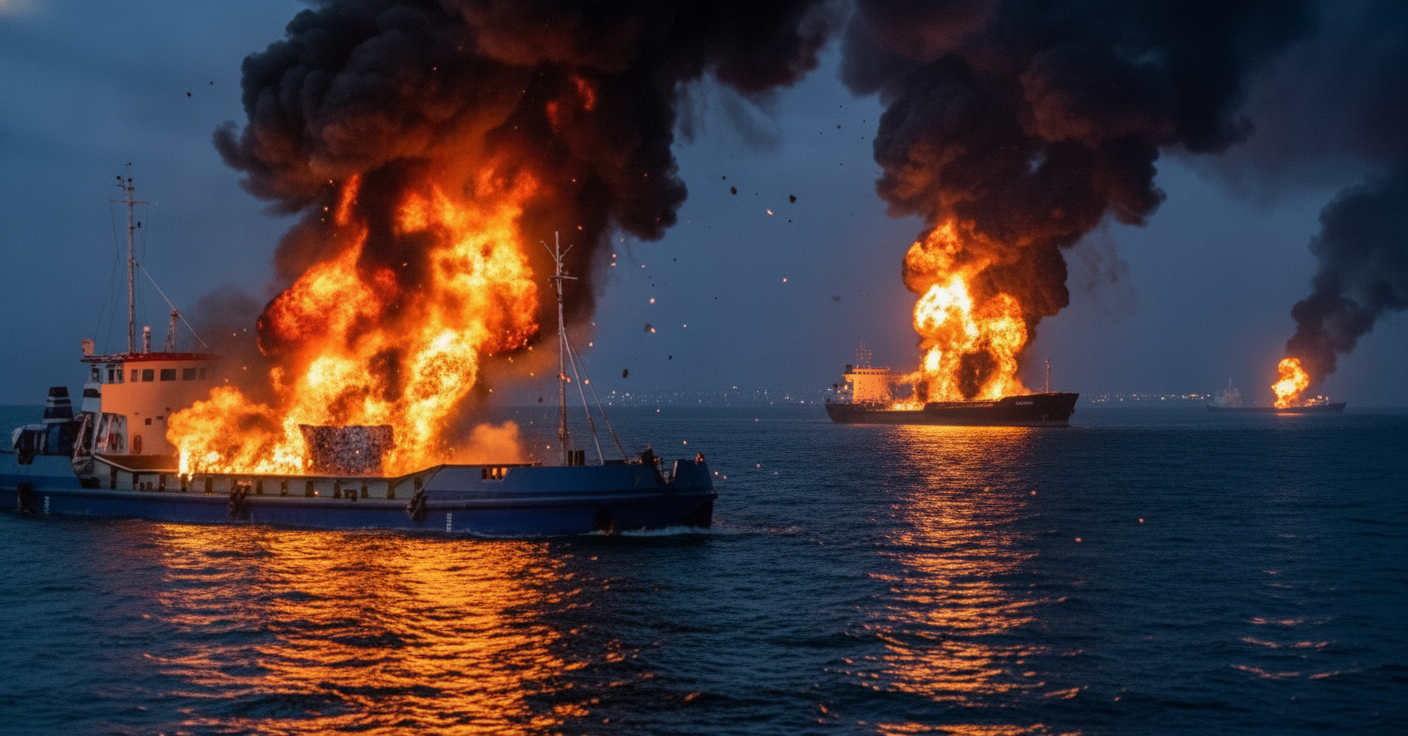
According to Espreso.tv: Ukraine's Unmanned Systems Forces have reported successful strikes on Russian naval assets in the Sea of Azov. The attacks resulted in damage to:
- 5 oil tankers,
- 5 dry cargo ships,
- 1 tugboat.
Campaign Against the Shadow Fleet
This campaign targeting Russia's so-called shadow fleet started on July 6. By July 13, only 43 ships remained in the Sea of Azov, down from 132 before the operation began—a 67% reduction in just one week. As of July 11, 76 vessels had been hit, including 28 that were struck in a single night.
According to the Unmanned Systems Forces, taking out tankers, cargo ships, and support vessels severely hampers Russia's ability to export oil and petroleum products, restricts maritime transport, and reduces the enemy's capacity to supply fuel to its troops and occupation forces in temporarily occupied Crimea.
Expert Robert 'Magyar' Brovdi noted, 'The paralysis of Russia's feeder fleet—the small and medium-sized 140-meter flat-bottomed tankers that act as couriers for the shadow fleet—effectively makes it impossible to export Russian oil via the Volga-Don Canal and the Sea of Azov to larger tankers.'
The European Union is also preparing its 21st sanctions package against Russia, signaling continued international pressure on the country. The Sea of Azov operation holds strategic importance as it disrupts Russian naval logistics and capabilities in the region.
This campaign highlights the growing effectiveness of unmanned systems in modern warfare and their role in shifting regional power balances. The sharp decline in Russian vessels in the Sea of Azov could significantly complicate Moscow's supply lines, especially amid the ongoing conflict. Additionally, the EU's upcoming sanctions are expected to further strain Russia's economy, potentially creating long-term consequences for its military operations.
Read also
- Ukrainian Blogger 'Kyivstoner' Accused by Russia's FSB of Recruiting a Former Wagner Fighter for a Terror Attack
- Ukrainian Drones Strike Crimea Power Bridge: 10 Energy Nodes and Air Defense Systems Destroyed
- 53 Nations Unite Against Disinformation as Azerbaijan Hosts Second Day of Media Forum
- Two Ukrainians Wounded, One Dead in Iranian Strike on Oil Tankers in the Strait of Hormuz
- Russia’s Night Assault: Air Defense Downs 5 Missiles and 108 Drones Out of 145 Targets
- Air Defense Downs 5 Missiles and 108 Drones: Casualties Reported in Kherson and Dnipropetrovsk Regions