Russia Turns Zaporizhzhia Nuclear Plant Into a Military Hub: Drones and Armament Inside the Facility.

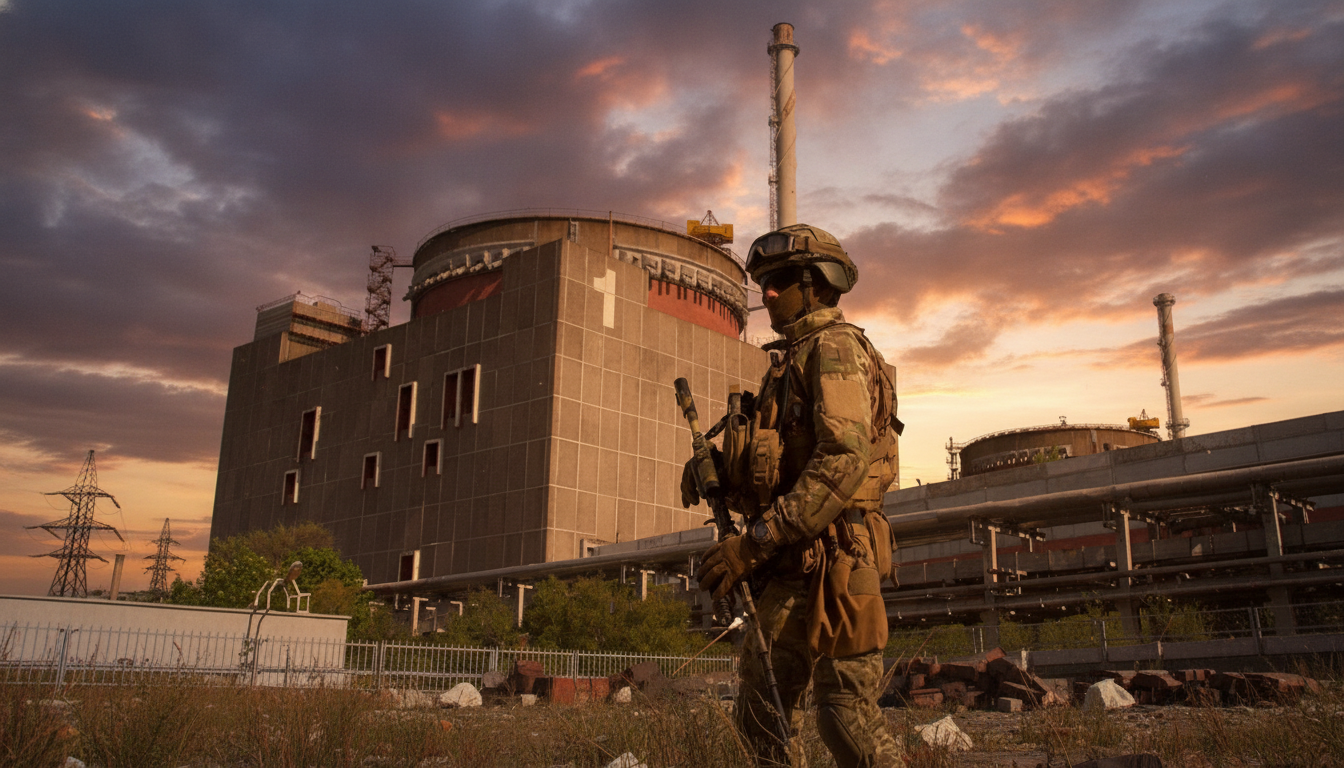
Current State of the Zaporizhzhia Nuclear Power Plant
According to UATV: Russian forces are escalating their militarization of the Zaporizhzhia Nuclear Power Plant by setting up drone control centers and stationing military equipment on the premises. This development raises serious nuclear safety alarms, as the presence of troops at such a critical site creates an ongoing hazard. Europe's largest nuclear facility, the Zaporizhzhia Nuclear Power Plant (ZNPP), has been under Russian occupation since early March 2022.
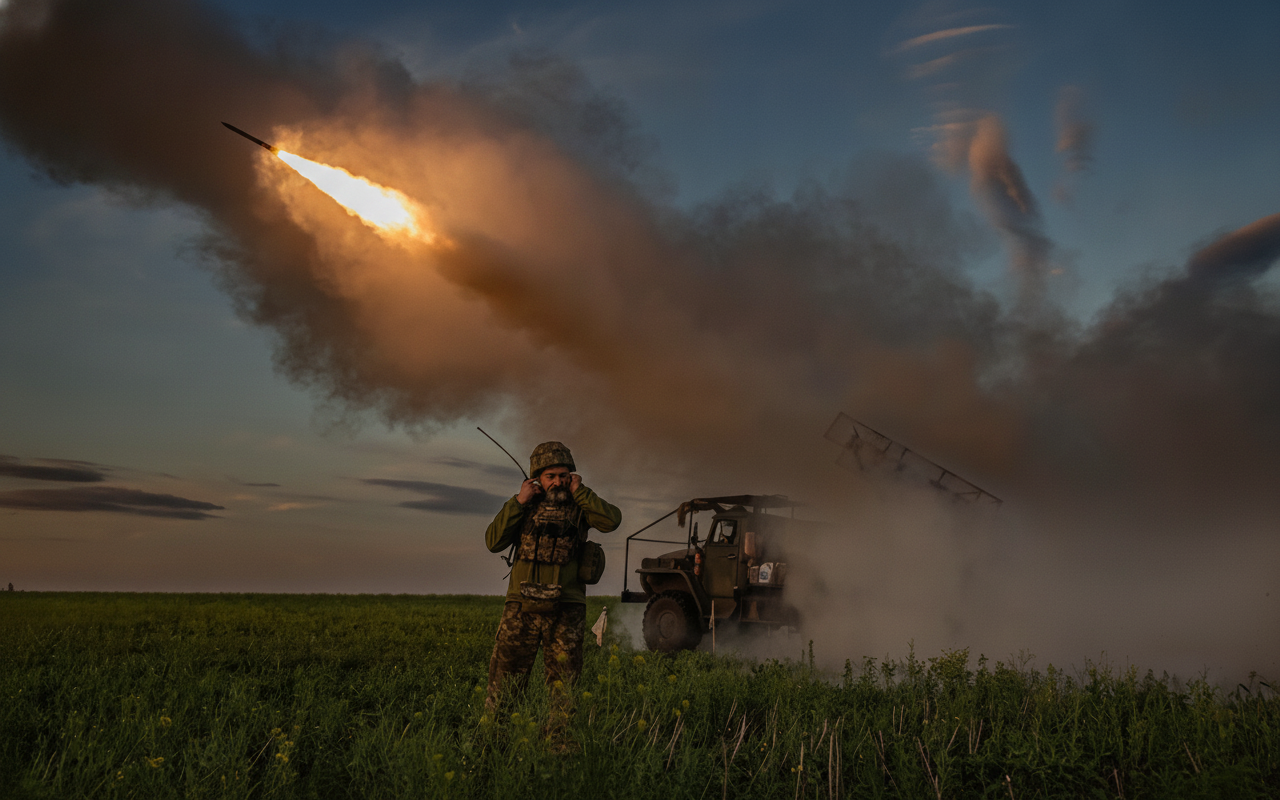
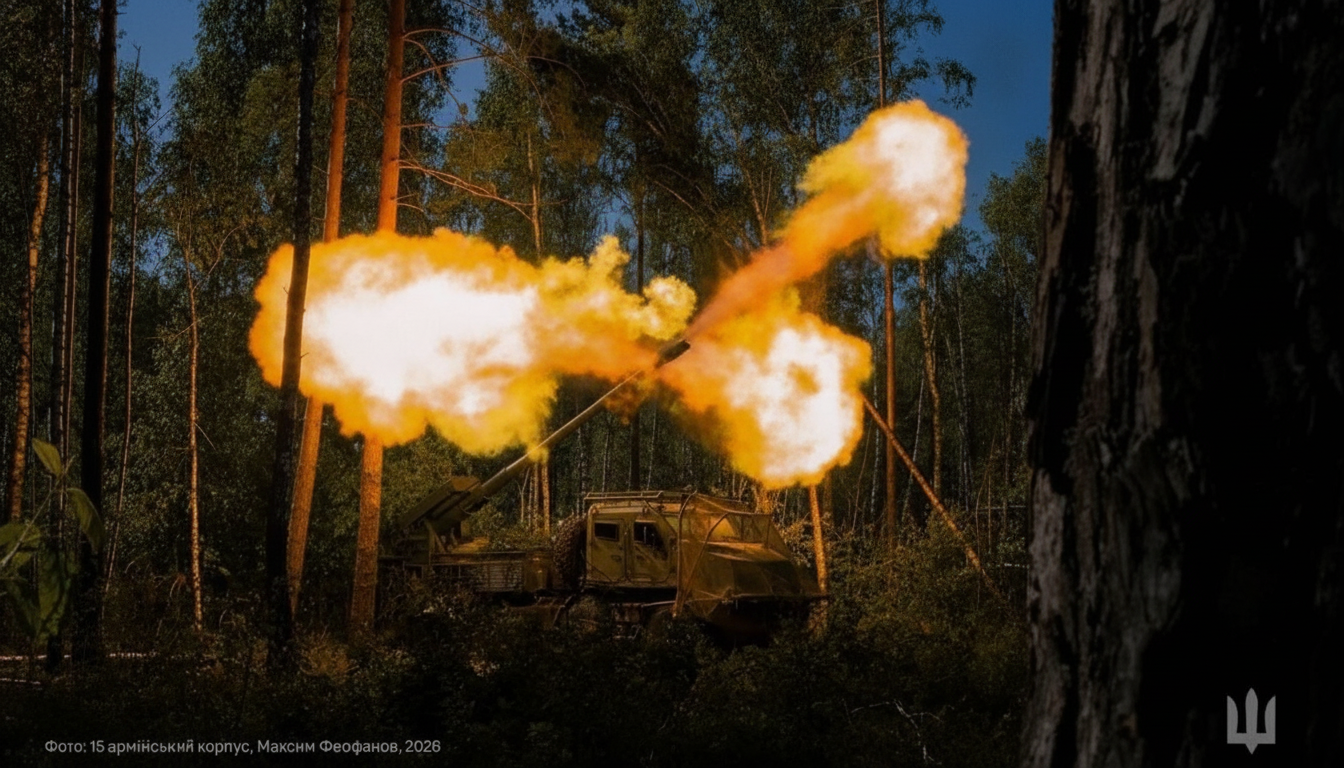
On July 13, reports emerged that Russian troops are deploying control points for kamikaze drones of the 'Gerbera-siker' and 'Geran-siker' types within the plant. Military hardware is being stored in the turbine halls of power units No. 1, No. 2, No. 5, and No. 6, while weapon depots have been set up in basements and storage areas. Additionally, technical rooms near the shoreline of the former Kakhovka Reservoir have been mined.
Before the occupation, the ZNPP was connected to ten power transmission lines; now, only one remains operational. This has compounded difficulties, as the plant faces water supply issues for its cooling systems. Under these strained conditions, the facility is also experiencing a shortage of qualified personnel.
Expert Concerns
The presence of Russian military personnel on the grounds of a nuclear station poses a persistent threat to nuclear safety.
Pavlo Kovtonyuk, nuclear safety expert
The situation at the Zaporizhzhia plant underscores the mounting risks tied to military operations at nuclear sites, which could have severe repercussions not just for Ukraine but for all of Europe. The international community is closely monitoring these events, as the safety of nuclear power stations is a matter of global importance.
Calls for demilitarization and the return of ZNPP control to Ukraine may serve as a foundation for future diplomatic efforts and negotiations aimed at ensuring nuclear security in the region.
Read also
- Ground Robot Delivered to Occupied Kinburn Spit in a World-First Operation by Ukrainian Territorial Defense
- Ukraine’s Forces Repel 70 Russian Attacks in a Single Day; Enemy Losses Surpass 1.42 Million
- Fighting in Kostiantynivka: Ukrainian Forces Hold the City Center, Russian Troops Dig In to the East
- France Deploys Yellow-and-Blue Aircraft in Military Parade: A Signal to the World
- Why the Successful FP-7.X Rocket Launch Matters for Ukraine
- Ukrainian Drone Forces Strike 15 Shadow Fleet Vessels, Targeting Tankers and Cargo Ships