Ukraine’s Air Offensive Reshapes Oil Markets and Pressures the Kremlin.

Developments in Ukraine and Russia
According to UATV: Ukraine is now executing an aerial offensive strategy, which is cutting into Russian oil exports and creating fresh problems for the Kremlin. As part of this approach, Ukrainian defense forces have been successfully striking oil refineries inside Russia, leading to fuel shortages in the neighboring country. In response, Russia has acknowledged it needs to import oil after losing access to 25% of its market. These strategic shifts are also visible in Crimea, where near-daily attacks are hitting Russian positions.
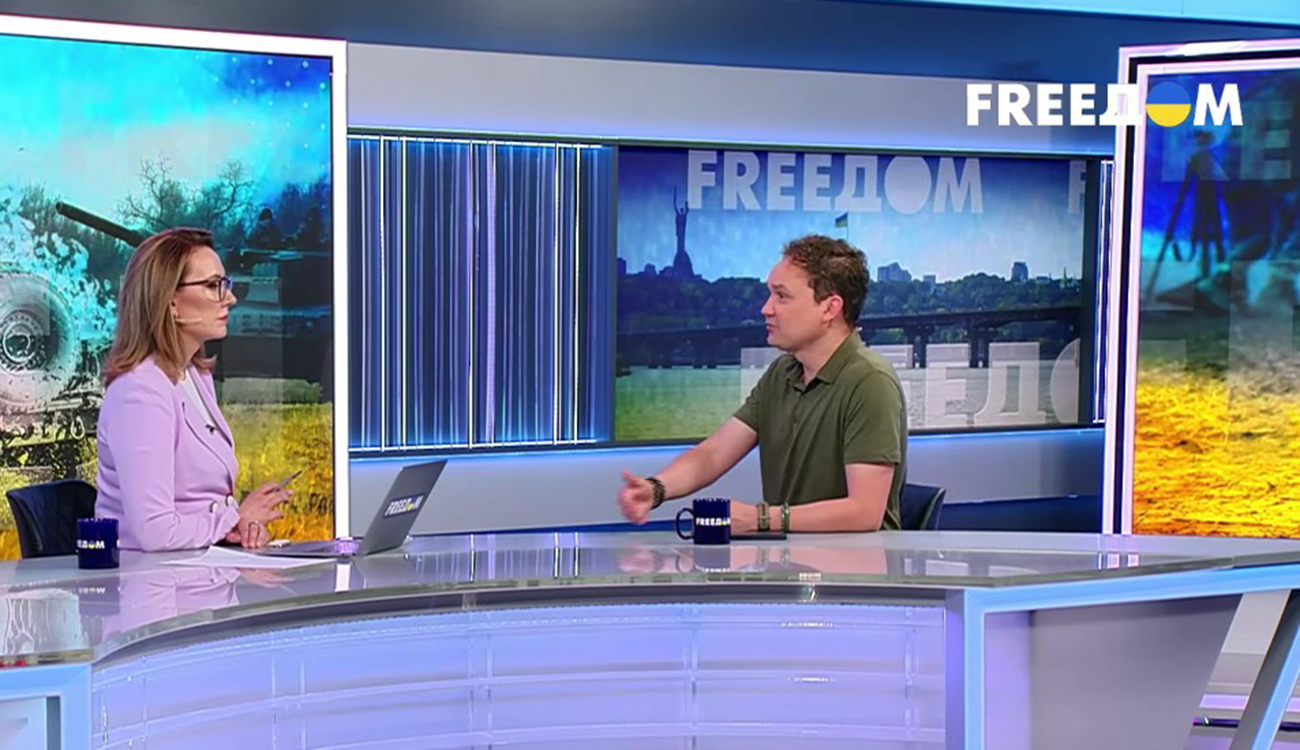
Gas stations across Russia are now grappling with rising gasoline prices and limited supply. Oleksandr Musiyenko observed that
“the situation has changed, and it has worsened for Russia.”He added,
“we are currently in an air offensive, and this strategy is delivering results.”Musiyenko also noted that “Russians fear new strikes on Moscow,” highlighting growing tensions.
Peace Talks and International Support
Meanwhile, Ukraine remains open to peace negotiations but insists on revised terms reflecting the new realities. Oleksandr Musiyenko stated: “Ukraine is not backing away. But it is saying: accept our conditions, because the situation has changed.” While Russia accuses the United States of failing to uphold agreements from the August 2025 summit in Alaska, the European Union is expected to adopt its 21st sanctions package, further complicating the Kremlin’s position.
Against this backdrop, Hungary has blocked EU aid for Ukraine, potentially affecting future support from European partners. Despite these hurdles, Oleksandr Musiyenko emphasized that “the situation is deteriorating for the Kremlin.”
In 2025, Russia believed it held the upper hand on the battlefield, but the reality has proven different. Tensions in Iran may also be moving toward de-escalation, which could influence regional stability. These emerging challenges for the Kremlin underline the importance of continued proactive measures by Ukraine.
The current situation in Ukraine and Russia reflects a shifting balance of power in the conflict, with potential implications for international relations. Russia’s loss of part of its oil market and the resulting fuel shortages could trigger economic and political consequences felt both in the Kremlin and on the global stage. Additionally, Hungary’s blockade of aid points to internal divisions within the EU, which may complicate efforts to support Ukraine in its fight for independence.
Read also
- Fedorov’s 'Diia' Party Could Surge to 7% in Polls: Inside the Strategy and Outlook
- White House Teleprompter Operator Made Over $100,000 Betting on Trump’s Speeches: Investigation Reveals
- New Phase in Ukraine-Poland Ties Announced by Zelensky: What Lies Ahead
- Zelensky Breaks His Own Pledge: How the President Undermined Constitutional Order
- Azerbaijan Offers to Host Peace Talks Between Ukraine and Russia
- Turkey and Ukraine’s Budanov Discuss Reviving Peace Talks to End the War