A New Bridge Over the Danube: Ukraine and Romania Forge a Fresh Transport Corridor to the EU.

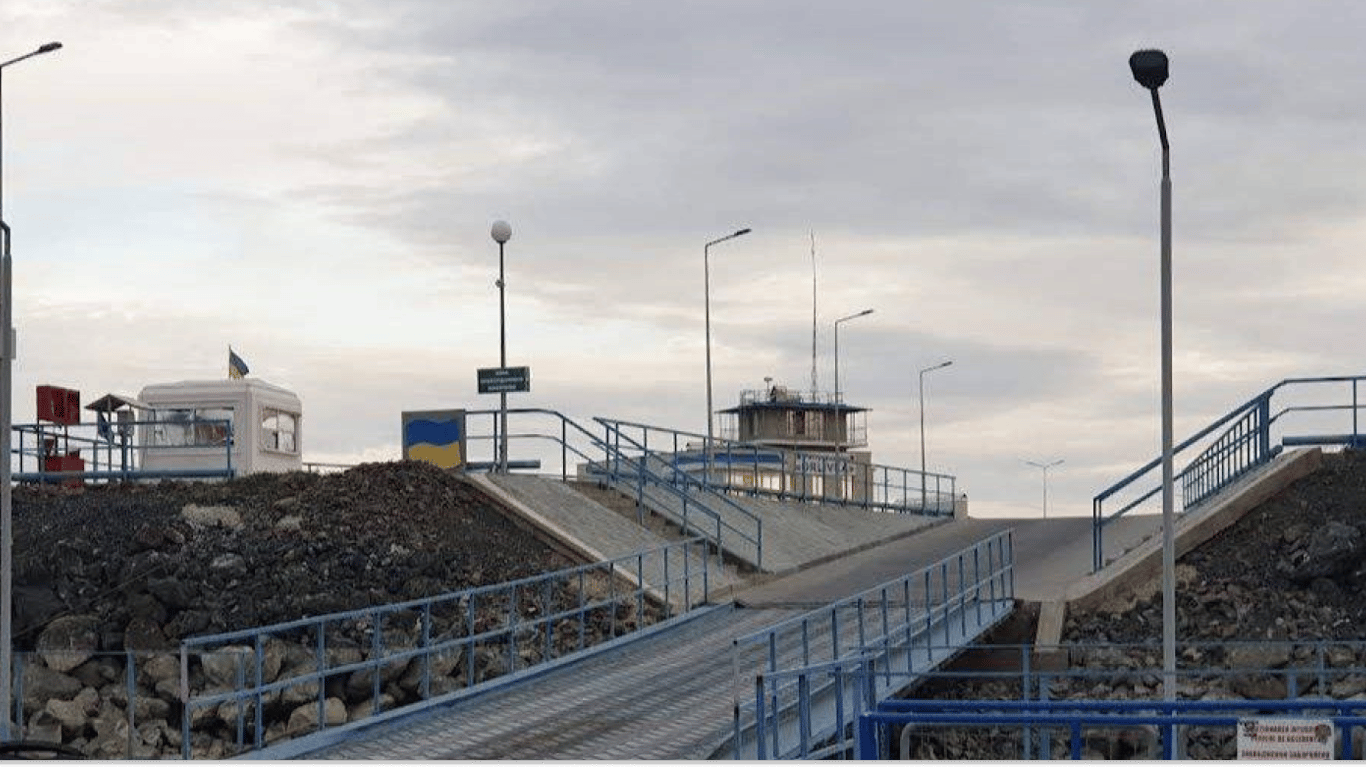
Joint Bridge Project on the Danube: Ukraine and Romania Plan a New Border Crossing
According to Novyny.live: Ukraine and Romania are moving forward with plans to expand their shared border infrastructure, including the construction of a bridge connecting Orlivka and Isaccea. This span will serve as a vital link in a transport corridor designed to improve connectivity with European Union member states.
The proposed bridge is expected to stretch roughly 800 meters, with the entire route—including access roads—reaching up to 12 kilometers. Initial sketches and investment proposals were first presented back in 2018. According to the current timeline, both countries aim to finalize technical agreements by 2026 so that construction can begin.
Why This Bridge Matters for Regional Transport
Currently, the only transport connection between Ukraine and Romania in the Danube region relies on the Orlivka–Isaccea ferry crossing. Recent events, however, highlighted its vulnerability: a major blow to that ferry infrastructure occurred in late 2025, underscoring the urgent need for new projects to ensure reliable and uninterrupted transit.
Oleksiy Kuleba stated: 'We are working to expand the network of border checkpoints, introduce joint border controls, and develop new transport routes—including railway connections.'
In this context, building the Orlivka–Isaccea bridge represents a significant step forward for infrastructure development and bilateral ties between Ukraine and Romania. It also opens up fresh opportunities for economic cooperation.
Expanding transport infrastructure between Ukraine and Romania could substantially strengthen economic relations between the two nations, especially as Ukraine moves closer to European integration. This project is expected to boost trade volumes and attract investment—key factors for regional stability and growth. If realized, the new bridge could become a cornerstone of a transport corridor linking Ukraine directly with EU countries, making international travel and freight more efficient.
Read also
- After Six Months of Silence, Mykhailo Fedorov Finally Responds to Mobilization Criticism
- Fedorov Turns Down Presidential Advisor Role, Weighs In on Defense Ministry Turmoil
- Keir Starmer Awarded Order of Freedom: What the UK Premier Accomplished During His Kyiv Visit
- Three Core Priorities for the New Government, According to Koretsky
- Ukraine's Parliament Elects Serhiy Koretskyi as Prime Minister with 289 Votes in Favor
- Resignation Wave Hits Ukraine’s Defense Ministry: Fedorov Steps Down