









2026 Harvest Costs Revealed as Ukraine Loses 20% of Its Farmland to Occupation.

Ukraine lost 20% of arable land

Ukraine's Agricultural Sector Under Pressure

According to TSN.ua: Nearly 6 million hectares—or 20% of Ukraine's arable land—remain under temporary occupation. This loss has severely strained the country's farming industry, with producers now battling extreme flooding and rising input prices. The estimated cost of producing the 2026 harvest ranges from 600 to 650 billion hryvnias, placing an enormous burden on agricultural businesses.

Latest figures show that planting expenses have jumped 10–12% compared to last year. Seed costs alone have risen to 50 billion hryvnias, a 10% increase from the previous season. Fuel expenditures have climbed 12%, reaching 30 billion hryvnias. Spending on mineral fertilizers now fluctuates between 60 and 65 billion hryvnias, up 15%, while crop protection costs have grown 8% to hit 25 billion hryvnias.

Outlook and Government Support for Farmers

The forecast for the 2026 harvest remains cautious: grain output is expected to be around 60 million tons, with oilseed crops totaling roughly 20 million tons.

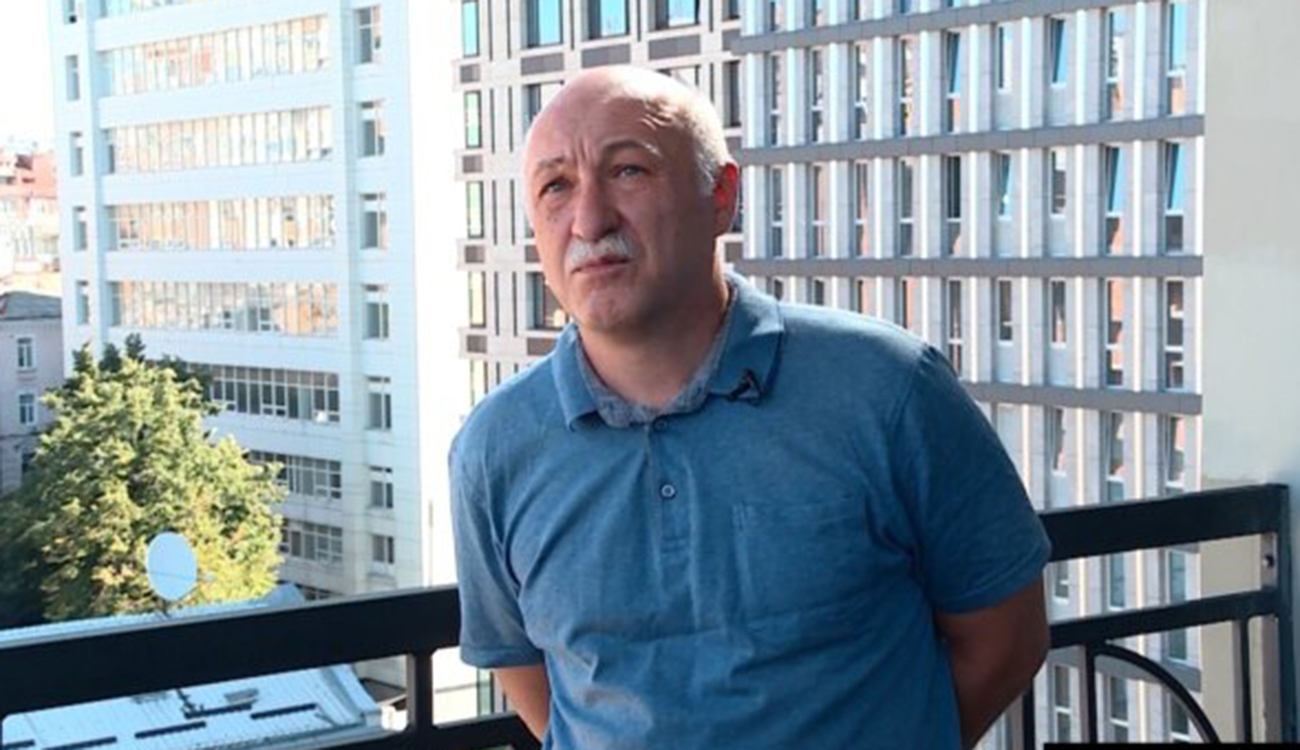
Regional farmer Oleksandr Sytnyk noted: "If the water doesn't recede by mid-May, we simply won't be able to plant those areas. Late sowing automatically means a 30–40% drop in yield."

In response to these challenges, the Ukrainian government has extended its '5-7-9' soft loan program for spring planting until March 31, 2027. Government official Taras Vysotskyi stated that agricultural producers can now access up to 90 million hryvnias in subsidized credit, a measure designed to help farmers navigate these difficult conditions.

Ukraine's agricultural sector clearly faces serious hurdles as farmers cope with economic strain and occupation-related constraints. Long-term projections point to a potential decline in crop yields, which could threaten the nation's food security. While government-backed soft loans represent a crucial step toward stabilizing farm production, significant risks remain—especially given unpredictable weather and other factors affecting agriculture.


Read also

Advertising