Asset Confiscation in Ukraine: What Gets Seized and How It’s Sold.

How Asset Confiscation Works in Ukraine
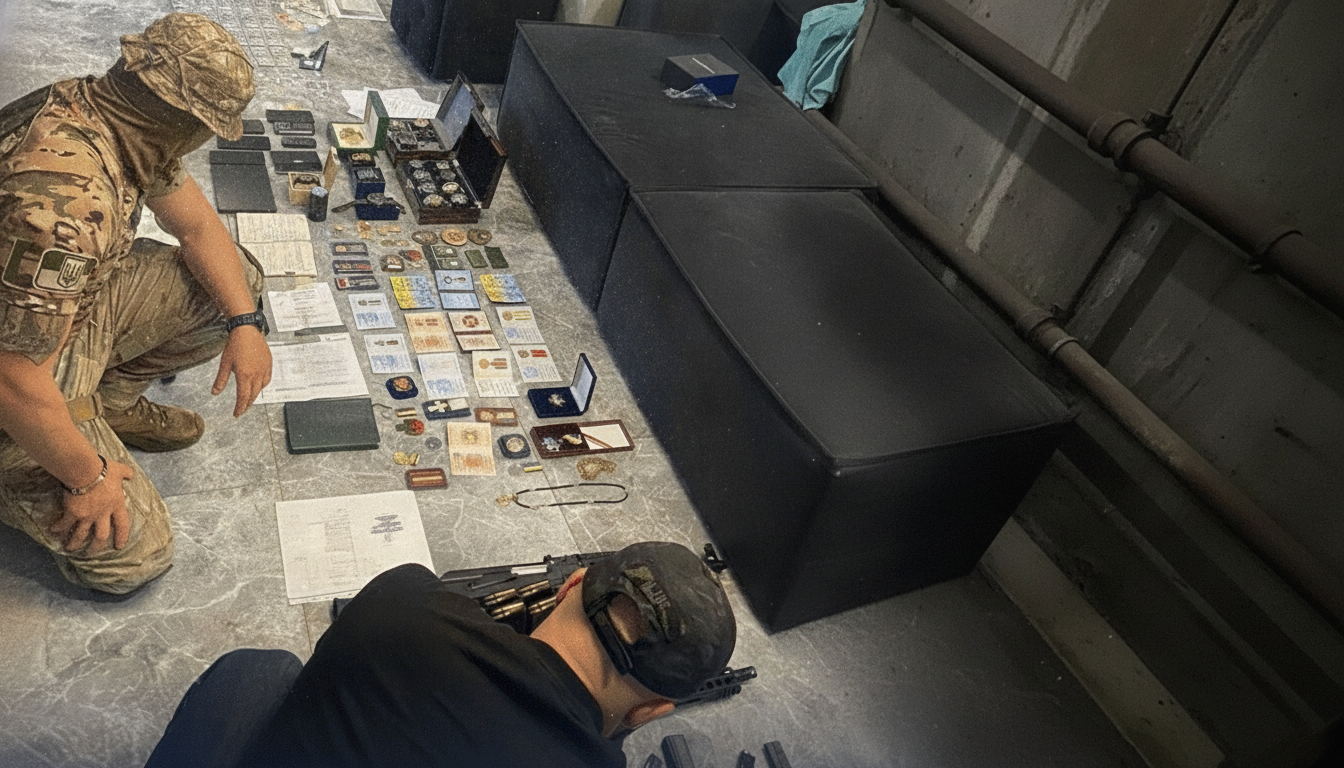
According to Novyny.live: In Ukraine, seizing property is a multi-step legal process involving regulatory authorities, the courts, and enforcement agencies. Under current law, a controlling body can confiscate items such as undeclared goods, smuggled objects, vehicles with hidden compartments, counterfeit products, prohibited merchandise, and currency or bank metals valued over 10,000 euros. However, the final decision in each case must be approved by a court, which serves as a critical safeguard in the procedure.
Once a court ruling takes effect, customs does not handle the sale of confiscated items. Instead, the seized property is handed over to enforcement agencies, which then arrange for its disposal. The state enterprise 'SETAM' organizes the auctions. It is worth noting that confiscated goods may also be donated free of charge, recycled, or destroyed if they cannot be sold.
What Happens to Confiscated Property
After being transferred to enforcement authorities, confiscated assets are typically sold at auctions run by SETAM, allowing the state to recover additional funds. But if the property fails to sell, other options come into play. In such cases, items can be given away at no cost, sent for recycling, or destroyed, preventing the buildup of unused goods and ensuring proper management.
Ukrainians should understand that the confiscation process is a key tool in combating illegal activity. Oversight occurs at every stage—from the initial decision by a regulatory body to the final sale by enforcement agencies. This helps ensure efficient use of resources and compliance with the law.
Overall, Ukraine’s asset seizure system not only enforces legal standards but also generates state revenue through the sale of confiscated goods. Effective management of these assets can support efforts against smuggling and other illicit activities, positively impacting the country’s economic landscape.
Read also
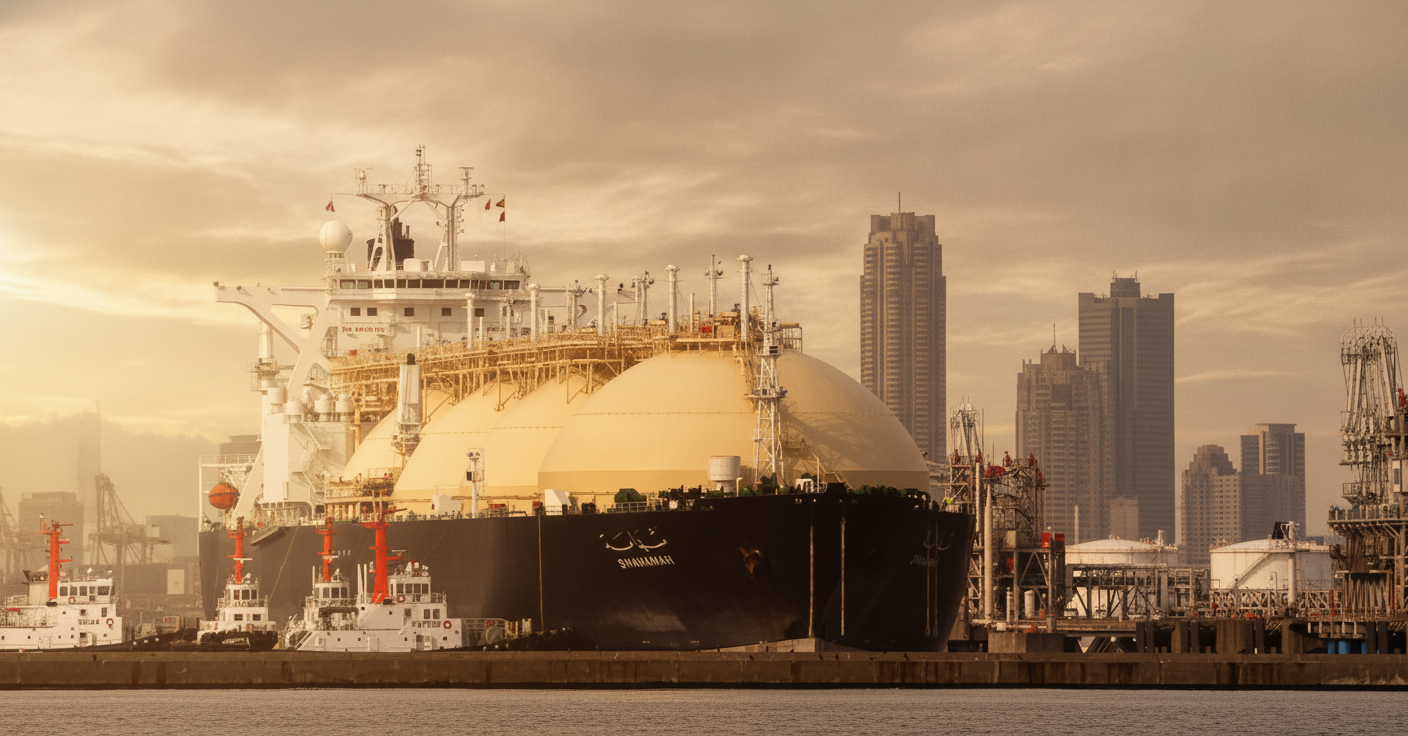
- Europe Paid Up to €6 Billion for Russian Gas — Who Bought the Most?
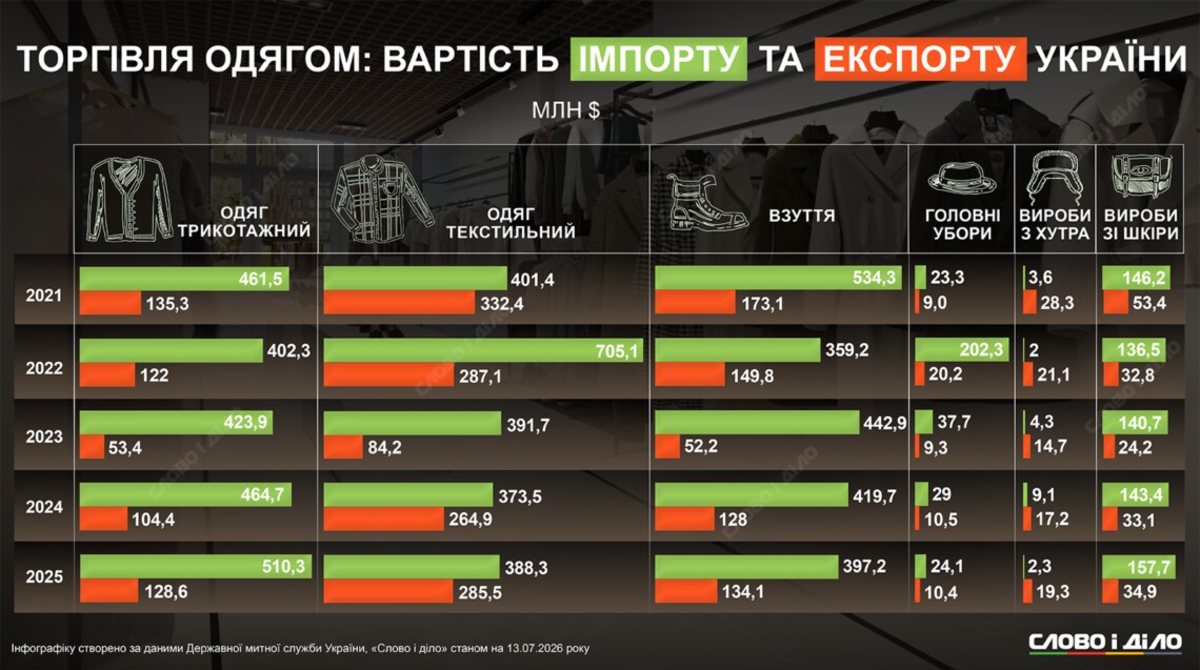
- Ukrainians Are Buying More Imported Clothing and Leather as Footwear Exports Decline
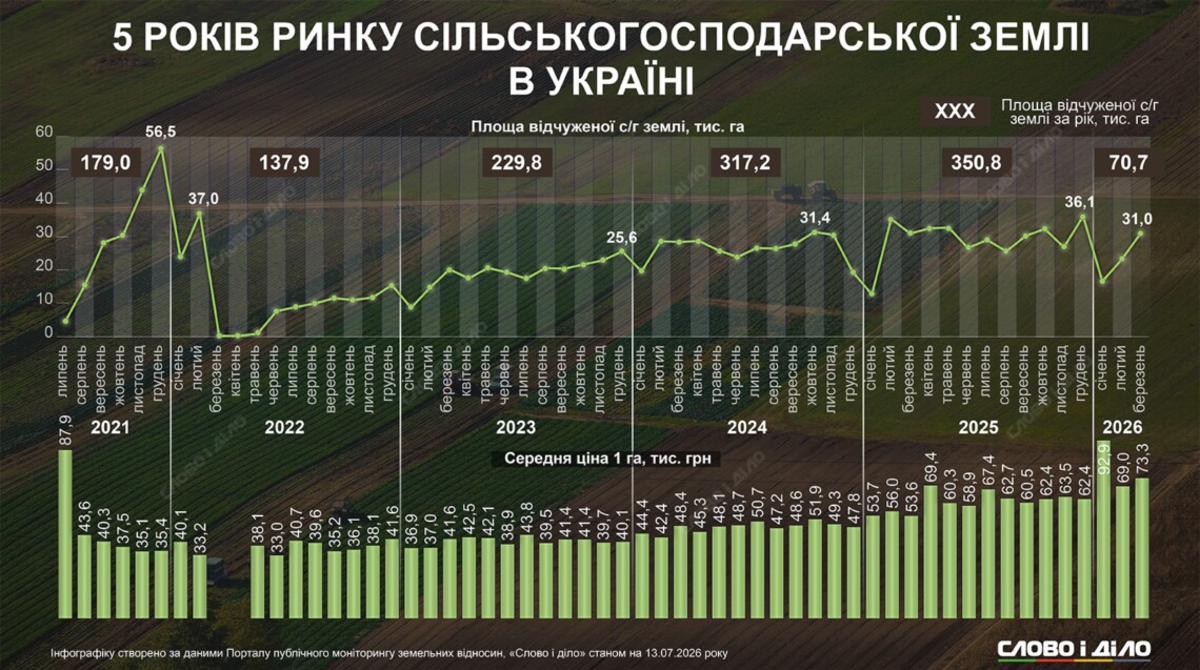
- Over 1.2 Million Hectares of Land Sold in Ukraine in Five Years: A Look at Price Trends
- Fuel Crisis Looms in Europe as U.S.-Iran Tensions Drive Up Oil Prices
- Fuel Shortage Spreads to 78 Russian Regions as Gasoline Prices Jump 7%
- Fuel Shortage in Russia Sparks Alarm in Ukraine Over Potential Crop Losses for Farmers