Why Ukraine’s EU Accession by 2027 Looks Unlikely Despite PM Promises.

The Long Road to Europe: Ukraine’s Integration History
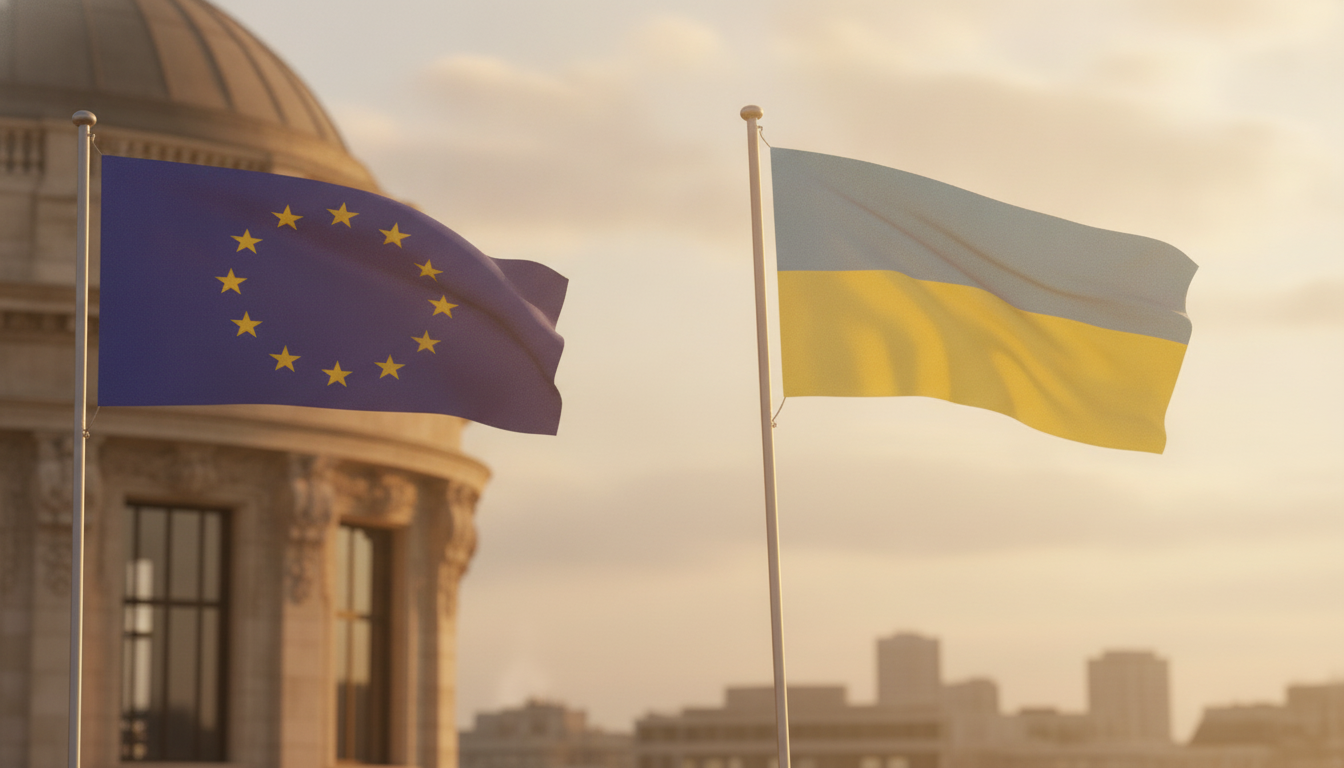
According to Espreso.tv: Ukraine’s journey toward European Union membership has been a complex and drawn-out process, shaped by shifting political events and a series of optimistic forecasts about when the country might finally join. Over the years, various Ukrainian prime ministers have offered different timelines for accession, revealing not only changing political priorities but also the harsh realities of the negotiation process.
Before looking at recent predictions, it’s worth revisiting earlier statements. In 2004, EU Commissioner Günter Verheugen stated that Ukraine would not join the bloc for at least 50 years. At that time, President Leonid Kuchma was in power, and he declined to run in the fall 2004 elections. This period also saw the 'Orange Revolution,' a pivotal event that highlighted Ukrainian society’s strong desire for closer ties with Europe.
Modern Forecasts and Political Leaders
In the years that followed, Ukrainian leaders continued to make bold predictions about EU accession. Prime Minister Yulia Tymoshenko promised that Ukraine could become a member by 2015. However, domestic and regional upheavals repeatedly derailed those ambitions. For instance, Prime Minister Volodymyr Groysman later suggested 2026 as a possible date, while his successor Oleksiy Honcharuk believed the process could wrap up as early as 2024. More recently, Prime Minister Denys Shmyhal has expressed hope for entry in 2025, and the Svyrydenko government has pointed to 2027 as a potential target.
As a result, Ukraine’s path to EU membership remains a subject of intense debate and widely varying estimates. Despite the numerous optimistic projections, the accession process continues to be slow and challenging—a reality underscored by Turkey’s experience, which has been stuck in negotiations for over 20 years. These factors make it clear that Ukraine still has a long way to go before achieving its European integration goals.
The EU integration process is a critical phase in Ukraine’s development, influencing its political, economic, and social landscape. Given the historical difficulties and frequent shifts in political direction, Ukraine must continue implementing reforms and aligning with EU standards. Doing so will not only improve domestic conditions but also strengthen its international relationships with European partners.
Read also
- Sweden Pledges €124 Million to Ukraine’s Energy Sector: Here’s Where the Money Will Go
- Tymoshenko Fails to Move Bribery Case: NABU Retains Jurisdiction After Court Ruling
- Why Zelenskyy Was Stripped of the Order of the White Eagle: Investigation Uncovers a Coordinated Campaign Against Ukraine
- Ukraine’s Presidents and Nation-Building: Are Their Contributions Fairly Recognized?
- Former Polish PM Sparks Diplomatic Row by Donating High Ukrainian Award to Volyn Tragedy Museum
- Ukraine Unveils Strategy to Reduce Electricity Shortages: Key Changes from June 30