Ukraine's Grid Operator Eyes 30% Tariff Hike: What It Means for Businesses and Consumer Prices.

Electricity Transmission Tariff Increase on the Horizon
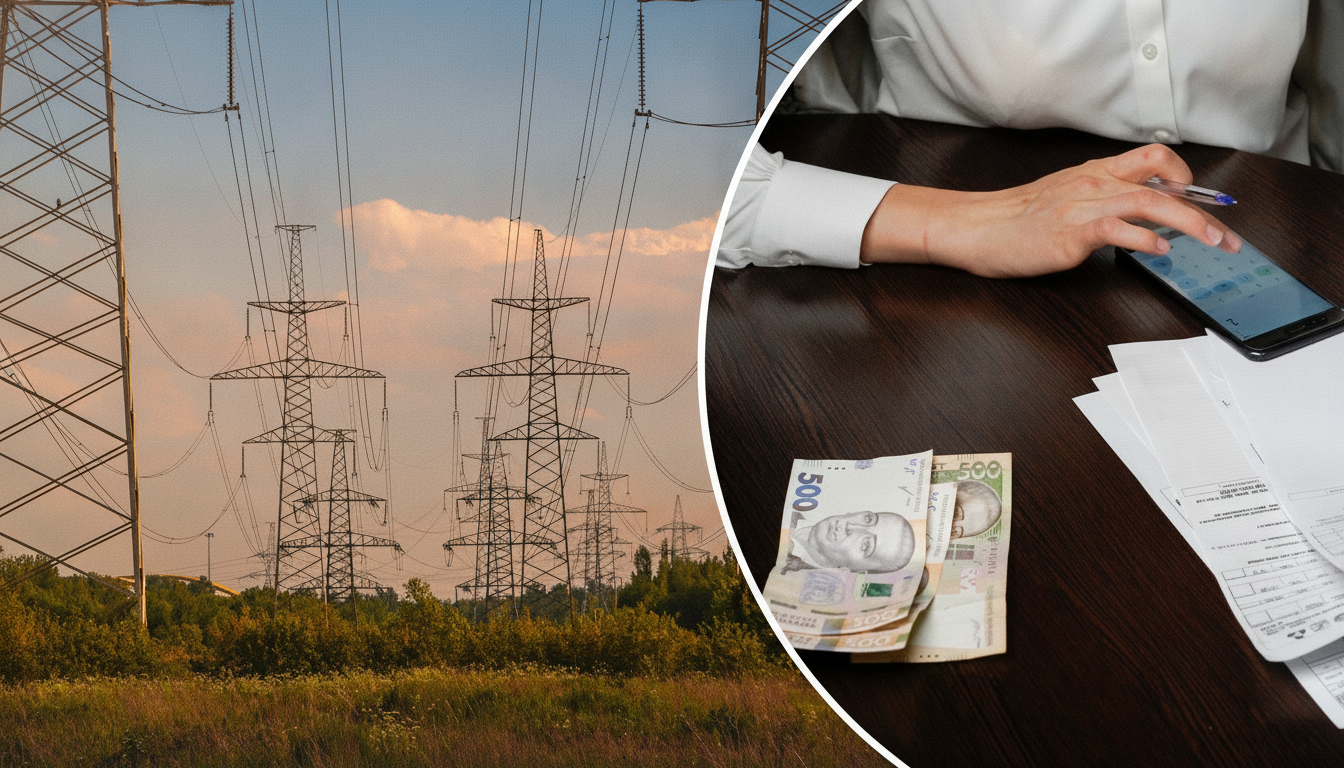
According to Novyny.live: Ukraine's national energy regulator, NKREKP, is expected to review a proposed 30% increase in electricity transmission tariffs. This move by Ukrenergo, the state grid operator, would raise the rate from 70 to 90 kopecks per kilowatt-hour. As Oleksiy Kucherenko stated,
“Ukrenergo's tariff must rise by 30%. It should go from 70 kopecks per kilowatt-hour to 90, an increase of 20 kopecks”. While household tariffs would remain unchanged at 4.32 hryvnias per kWh, the hike for commercial and industrial users is likely to drive up the cost of goods across the economy.
It is worth noting that Ukrenergo currently spends around 5 billion hryvnias annually on excess capacity from solar power plants. If the tariff increase is approved, additional costs for non-residential consumers could total roughly 30 billion hryvnias per year, adding further financial pressure on businesses.
Economic Ripple Effects
Electricity distribution tariffs have also been on a sharp upward trajectory in recent years. Over the past five years, distribution rates have climbed from 30 kopecks to approximately 3 hryvnias per kilowatt-hour. Against this backdrop, a new hike in transmission fees could further fuel overall price increases for goods and services, as businesses will likely pass higher energy costs on to consumers.
If implemented, this tariff increase would pose yet another challenge for Ukraine's economy. Rising energy costs tend to trigger broader price inflation, ultimately affecting household purchasing power and living standards.
The potential increase in electricity transmission tariffs could significantly strain the finances of energy-dependent enterprises across Ukraine. Faced with steadily climbing operational costs, many businesses may have no choice but to raise prices on their products, which would in turn hit end consumers. This dynamic risks accelerating inflationary pressures in the country—a key concern for economic stability. It is important to monitor how this situation unfolds and what it may mean for both the public and the business community.
Read also
- Zelenskyy Urges Stronger Defense for Ukraine Following Dnipro Strike
- Moscow and Kerch Bridge Become Priority as Russia Redirects Air Defenses from Other Regions, Says Zelensky
- Economist Warns of Fallout from Kyiv Utility Billing Review
- Kyiv Water Bills May Double or Triple: Who Will Be Hit by the Price Hike
- June 14 Weather Forecast for Kyiv and Region: Rain, Thunderstorms, and Highs Up to +23°C
- Kyiv Faces Winter Without Full Heating Coverage After Government Slashes Funding