Ukraine Considers Electricity Price Hike to Tackle Massive Energy Sector Debt.

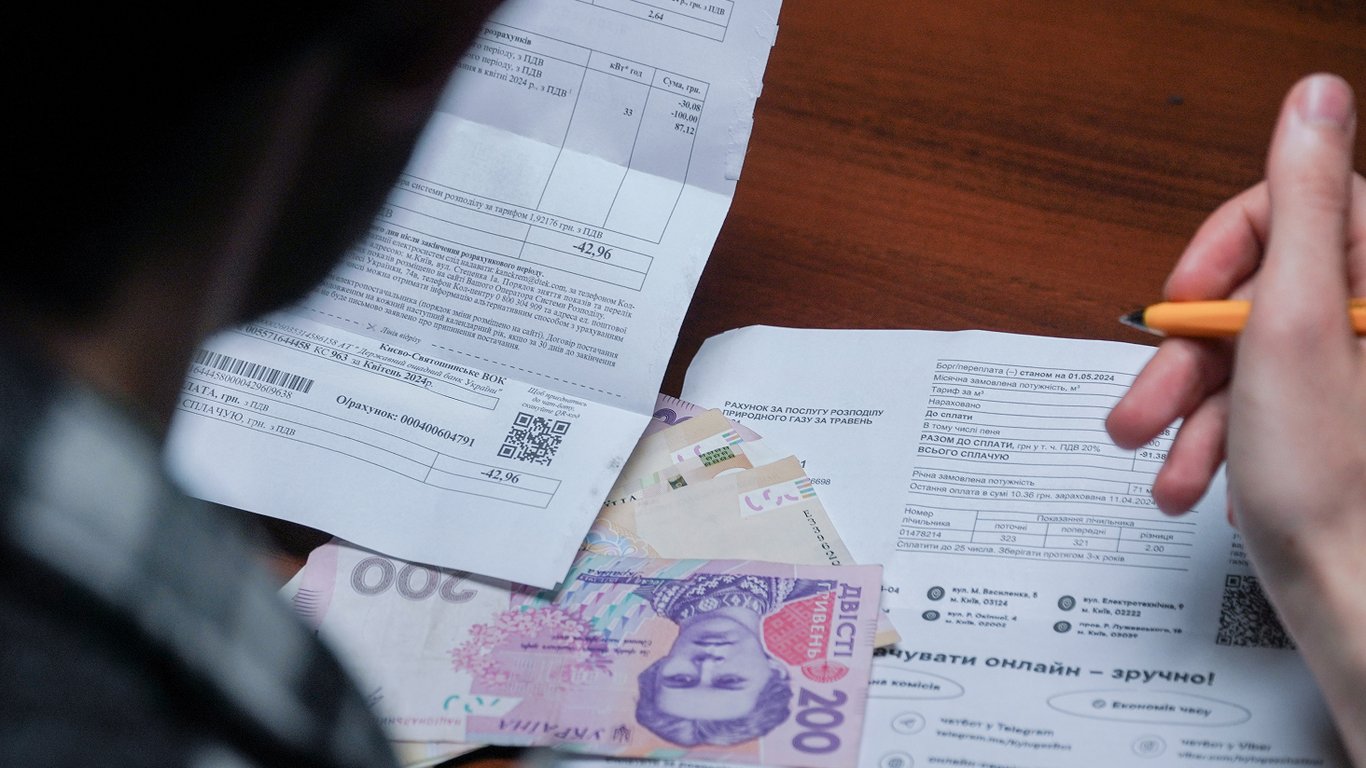
Ukraine's Energy Debt Crisis
According to Novyny.live: To address a catastrophic accumulation of debt within its energy sector, the Ukrainian government is considering raising household electricity tariffs. This debt crisis, fueled by corruption and systemic inefficiencies, has reached tens of billions of hryvnias. Among the proposed measures is an increase to the 'green' energy tariff, which currently stands at approximately 20 hryvnias. As
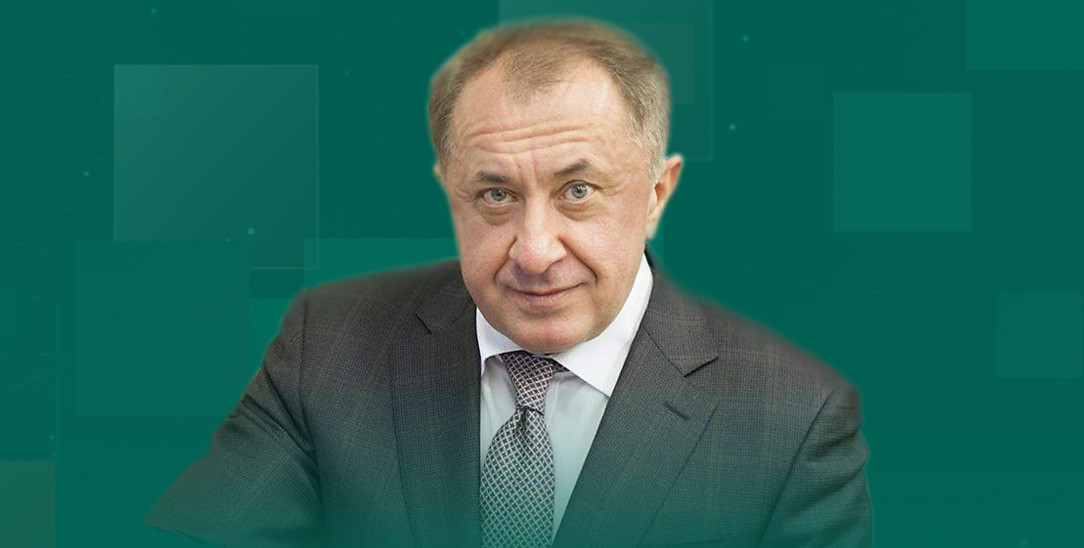
Serhiy Sobolev notes, 'This is a political decision aimed at resolving the issue of insane non-payments, which already exceed tens of billions of hryvnias.'
Sobolev emphasizes that the debt in the energy sector is already critical, and the government has decided to try and resolve the situation by increasing tariffs for households. He warns that further raising tariffs for industry could widen the gap between household and industrial rates, complicating efforts to stabilize the sector. This move comes as Ukraine's energy infrastructure continues to face immense strain from the ongoing war.
European Commission Support and Future Outlook
Simultaneously, the European Commission is developing an energy support plan for Ukraine for the coming year, which could be a significant factor in resolving the debt issue. However, forecasts indicate that electricity prices will still be subject to change as far out as March 2026, pointing to prolonged instability in the energy market. The government's decisions on household tariffs are likely to shape the future trajectory of Ukraine's energy sector during this difficult period.
The energy debt problem stems not only from internal economic difficulties but also from external factors like the war and Europe's broader energy crisis. While raising household tariffs may be an attempt by the government to stabilize the sector's finances, it also raises concerns about potential social consequences for the population. Given the European Commission's plans, support from international partners will be crucial for navigating this crisis, yet internal structural reforms remain essential for achieving long-term stability in the energy market.
Read also
- Trump Announces Preliminary Nuclear Agreement with Iran
- Ukraine Dispatches Three Diplomatic Teams to the Middle East for Talks
- Zelenskyy Holds Talks with Former US President Donald Trump
- Even a Ceasefire Would Not Bring U.S. Election Observers to Ukraine, Lawmaker Claims
- Ukraine's President Zelenskyy Orders New Energy Security Plan for Winter
- Macron Seeks European Consensus on Putin Dialogue: Implications for Ukraine