Three Pillars of Growth: Ukraine’s New ‘Economy of the Future’ Strategy Unveiled.

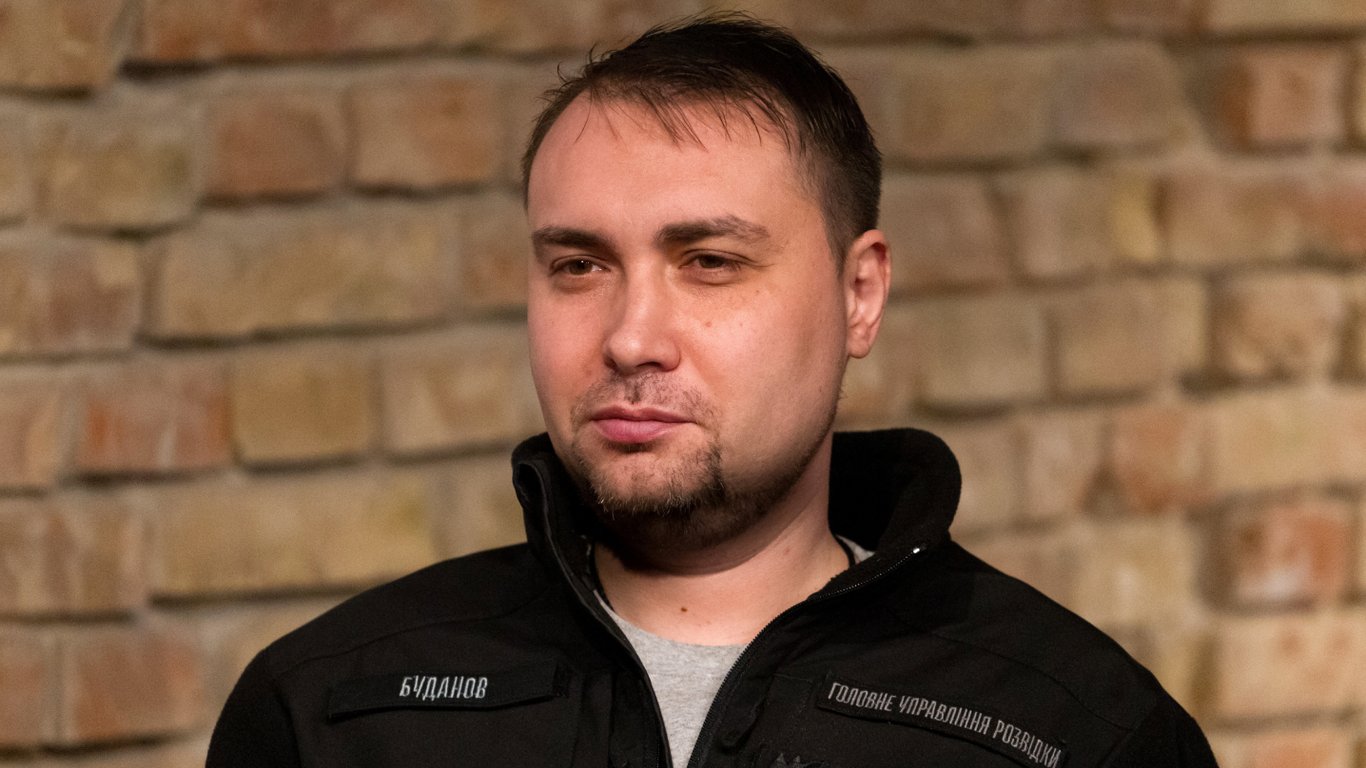
Launch of the 'Economy of the Future' Strategy
According to Novyny.live: Ukraine has introduced a new economic roadmap called the 'Economy of the Future' strategy, which centers on three core development priorities:
- eradicating corruption;
- building a strong industrial base;
- fostering an innovation-driven economy.
This plan was developed through joint efforts involving the Office of the President, the government, consulting firm McKinsey, the World Bank, and representatives from Ukrainian businesses.
Why This Strategy Matters for Economic Progress
Prime Minister Yulia Svyrydenko chaired a meeting of the Council for Entrepreneurship Support, where she highlighted the strategy’s critical role in the country’s economic development. The framework outlines three main directions for the new economy:
- eliminating corruption and establishing fair competition for businesses;
- creating a robust industrial core to support defense and reconstruction;
- advancing an innovative economy integrated into global markets.
During the session, Kyrylo Budanov raised the issue of supporting over 6 million Ukrainians living in frontline regions, stressing the need for comprehensive assistance for this population. He also noted that the launch of the first negotiation cluster for Ukraine’s and Moldova’s EU accession marks a significant milestone, one that will drive economic growth and deeper European integration.
“The 'Economy of the Future' strategy serves as a practical equivalent of a Marshall Plan for Ukraine, underscoring its ambition and importance for the nation’s economic recovery and development.” - Kyrylo Budanov
Implementing this strategy could prove to be a decisive step toward achieving stability and prosperity for Ukraine’s economy amid current challenges.
The unveiling of the 'Economy of the Future' strategy reflects Ukraine’s commitment to structural economic reforms, which could lay the groundwork for post-crisis and post-war recovery. The outlined priorities—especially those focusing on innovation and industrial renewal—have the potential to attract investment and improve the overall business climate. Successful execution of this plan promises not only economic growth but also greater social stability in regions affected by conflict.
Read also
- Can Ukraine and Poland Ease Tensions? Zelenskyy and Nawrocki Discuss Bilateral Dialogue
- 15 Bridges Destroyed by Ukrainian Forces in June: A Major Blow to Russian Military Logistics
- Ukraine Intensifies Strikes on Crimea: Budanov Vows to Cut Off Russian Army Supply Lines
- Ukraine Monitors Polish Bill: Can Tensions Be Avoided?
- Active Phase of War Could End by Year’s Close, Says Budanov, but Warns of Escalation First
- Budanov on the Belarus Conflict and Crimea’s Return: Key Statements