Tensions Rise Between EU's Top Leaders: Von der Leyen and Kallas at Odds.

Clashes Over EU Foreign Policy
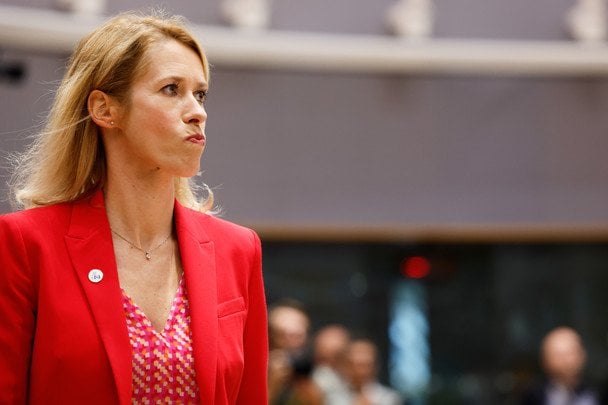
According to TSN.ua: Serious disagreements have strained the working relationship between European Commission President Ursula von der Leyen and the EU's top diplomat, Kaja Kallas. Observers assess the current tensions as more severe than those that existed between von der Leyen and her predecessor in the foreign policy role, Josep Borrell. These conflicts are becoming increasingly visible against the backdrop of planned structural changes to the European Union's foreign policy apparatus. The dynamic between these two powerful figures is crucial, as it directly impacts the EU's ability to present a united front on the global stage.
A key flashpoint was von der Leyen's blocking of the appointment of Martin Selmayr, a former Deputy Secretary-General of the European Commission. Despite Kallas's attempts to push back against this move, her efforts proved unsuccessful. According to a senior EU official, Kallas has privately expressed frustration, referring to von der Leyen as a 'dictator,' though she possesses limited power to alter the situation.
Upcoming Foreign Policy Restructuring
Further complicating matters are plans to establish a separate Directorate-General for the Middle East and North Africa, scheduled for implementation in 2025. This initiative has sparked additional debate, particularly concerning potential staff reductions within the European External Action Service, which could further affect the working dynamic between Kallas and von der Leyen. These factors underscore that the relationship between the EU leaders is in a delicate state, and its future evolution may significantly influence the Union's external policy direction.
The ongoing situation between von der Leyen and Kallas could have serious consequences for EU foreign policy, especially given the new challenges facing the region. This tension risks causing delays in decision-making on critical international initiatives and could hamper coordination between different EU institutions. As the EU's foreign policy grows ever more vital in a climate of global instability, effective cooperation between its top leaders is essential for achieving common strategic goals.
Read also
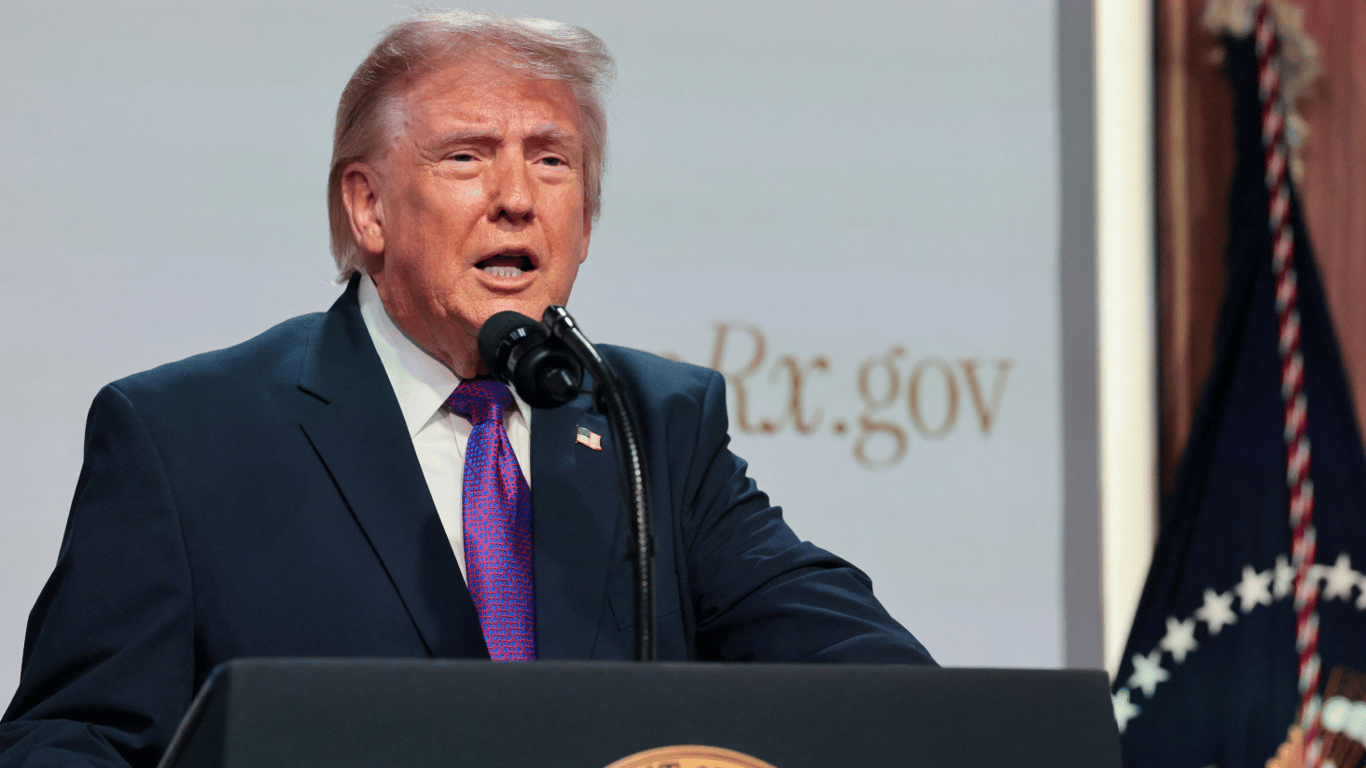
- Trump Unveils Plan for US Missile Production in Ukraine and Fresh Sanctions Against Russia
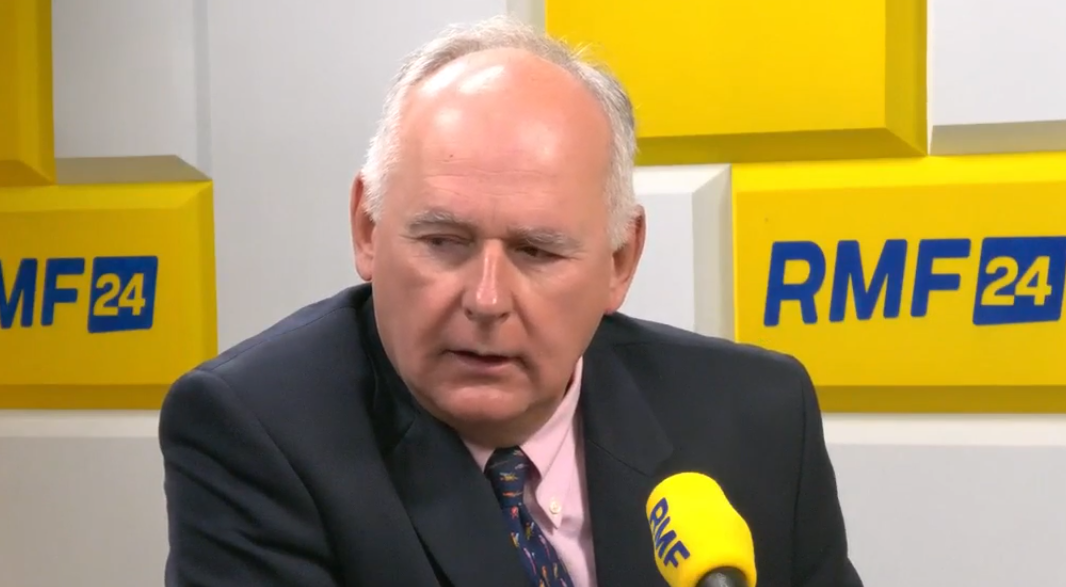
- Poland Explains Why It Won't Transfer MiG-29s: The Jets Are No Longer Fit for Modern Combat
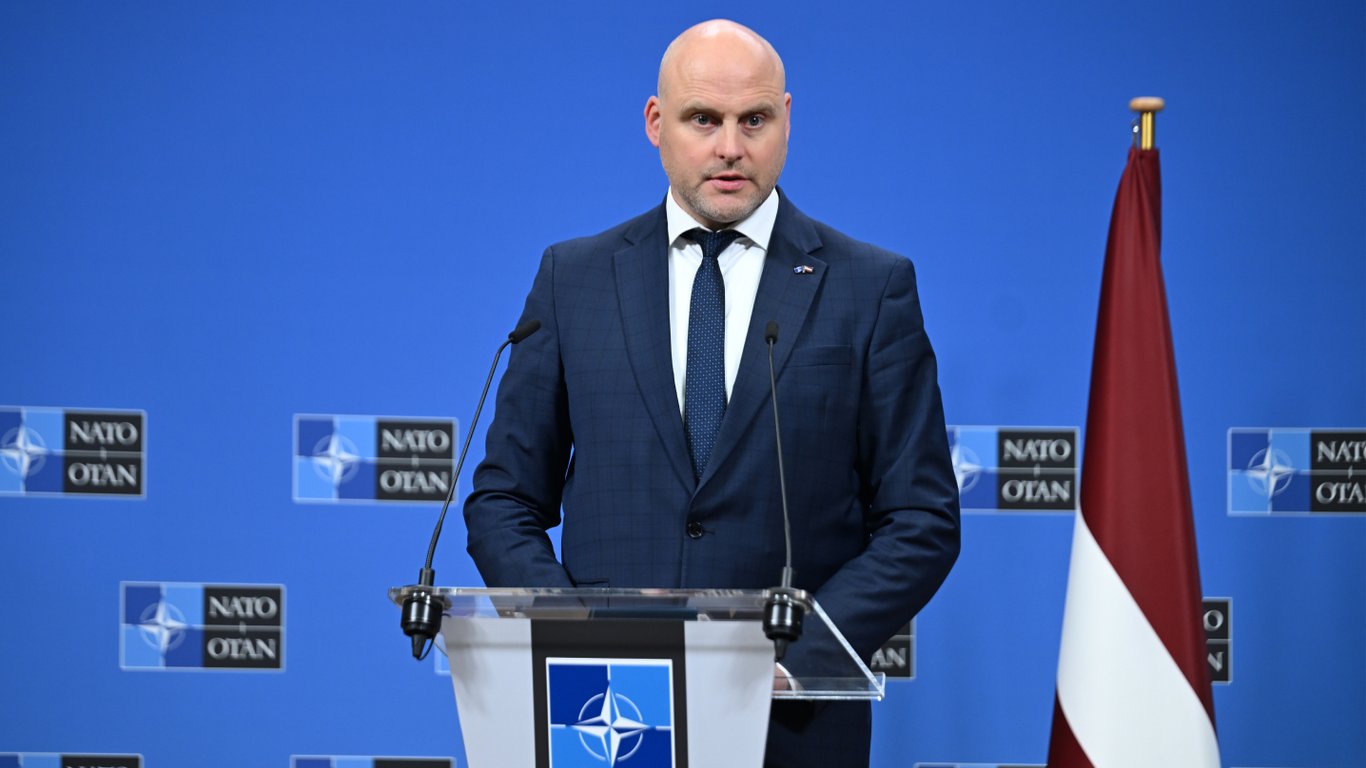
- Latvia Signs Agreement with Ukraine for Joint Drone Production
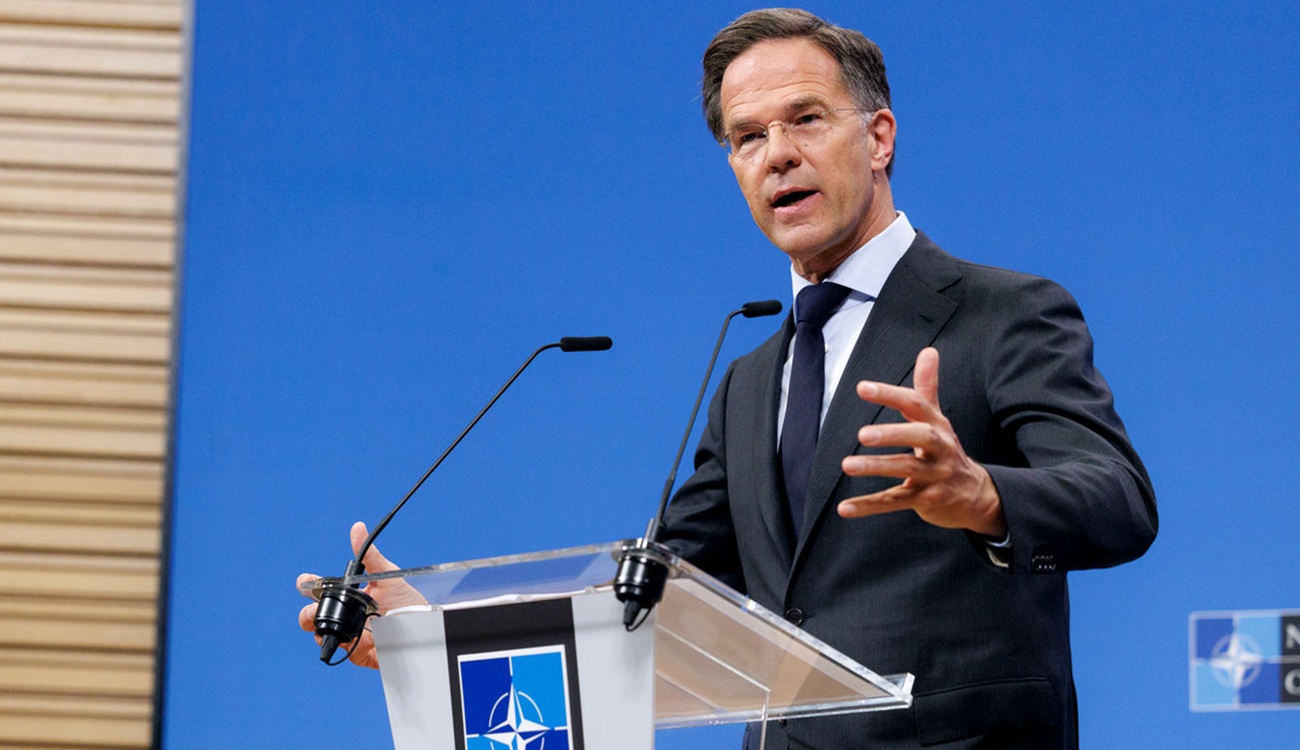
- NATO Urges No Restrictions on Ukraine’s Strikes Inside Russia: Key Remarks from Rutte
- Insults Against Ukrainian Soldiers Could Lead to Fines or Up to 12 Years in Prison Under Proposed Laws
- Canada’s Carney Announces Tougher U.S. Stance on Russia Under Trump