Not All USB-C Cables Are Equal: Why Your Charger Might Be Slower Than Expected.

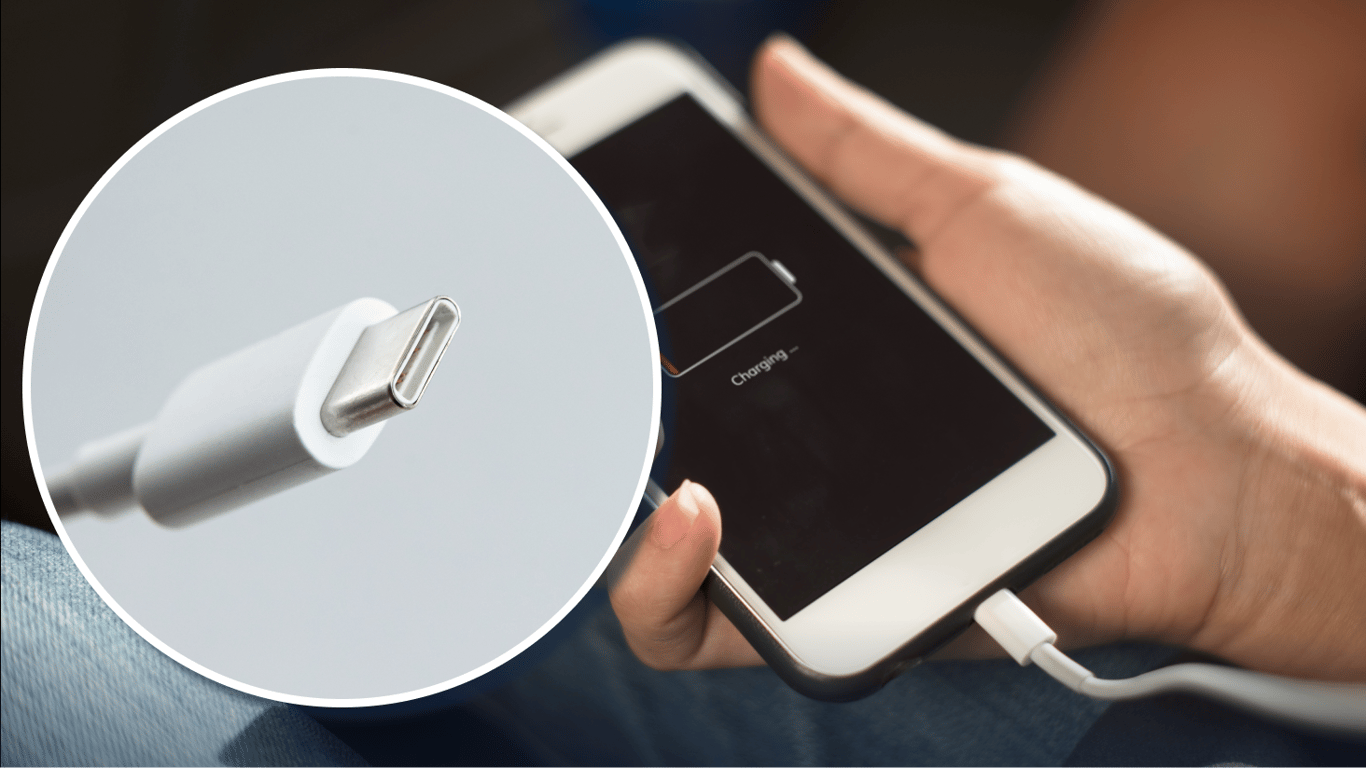
The Universal Charging Connector: USB-C
According to Novyny.live: By 2026, USB-C will be the common charging port for smartphones, tablets, and laptops. However, not every cable using this connector supports fast charging. It's crucial to select cables that match your specific device's requirements, as their technical capabilities can vary widely. This standardization is largely driven by recent European Union legislation aimed at reducing electronic waste.
USB-C cables can deliver between 60 and 100 watts of power, making them suitable for a wide array of gadgets. In contrast, older USB-A to USB-C cables often lack support for the Power Delivery protocol, which significantly impacts charging speed. This is a key consideration when choosing a cable, as many cannot unlock a device's full fast-charging potential.
How to Identify a Cable's Power Capacity
A reliable method for determining a cable's power capability is to check for certification from the USB Implementers Forum (USB-IF). This certification indicates the cable meets established standards and serves as a useful guide for consumers. It's noteworthy that just a few years ago, 18 watts was considered advanced, whereas new technologies now promise 120-240 watts, enabling a full charge in mere minutes.
Given these factors, paying close attention to the specifications of the cables you use is essential, as it can significantly affect your device's performance and charging speed. The right cable choice not only ensures efficient charging but can also help prolong the lifespan of your electronics, a vital consideration in today's tech-driven world.
With the rapid evolution of charging technology and the growing ubiquity of USB-C, consumers should be vigilant in their cable selections. An incorrect choice can lead to diminished device performance and longer wait times for a full battery.
Read also
- Google to Build America's Largest Solar Farm: 2.5 GW Facility to Power Data Centers
- Turn Your Old Phone Into a Smart Display: Inside the New ScreenWall Web Platform
- Speed Record Set by Bombardier Global 8000: Los Angeles to Farnborough in Just 8 Hours 46 Minutes
- A New Augmented Reality Platform Lets You Read and Build 3D Comics
- How Artificial Intelligence Is Unlocking Billions in Real Estate Value
- Ukraine’s Air Defense Gets a Boost: New 'Hot Dog' Drone Takes Down Over 300 Targets