Choosing the Right USB Cable for Fast Charging and Data Transfer in a Rapidly Evolving Market.

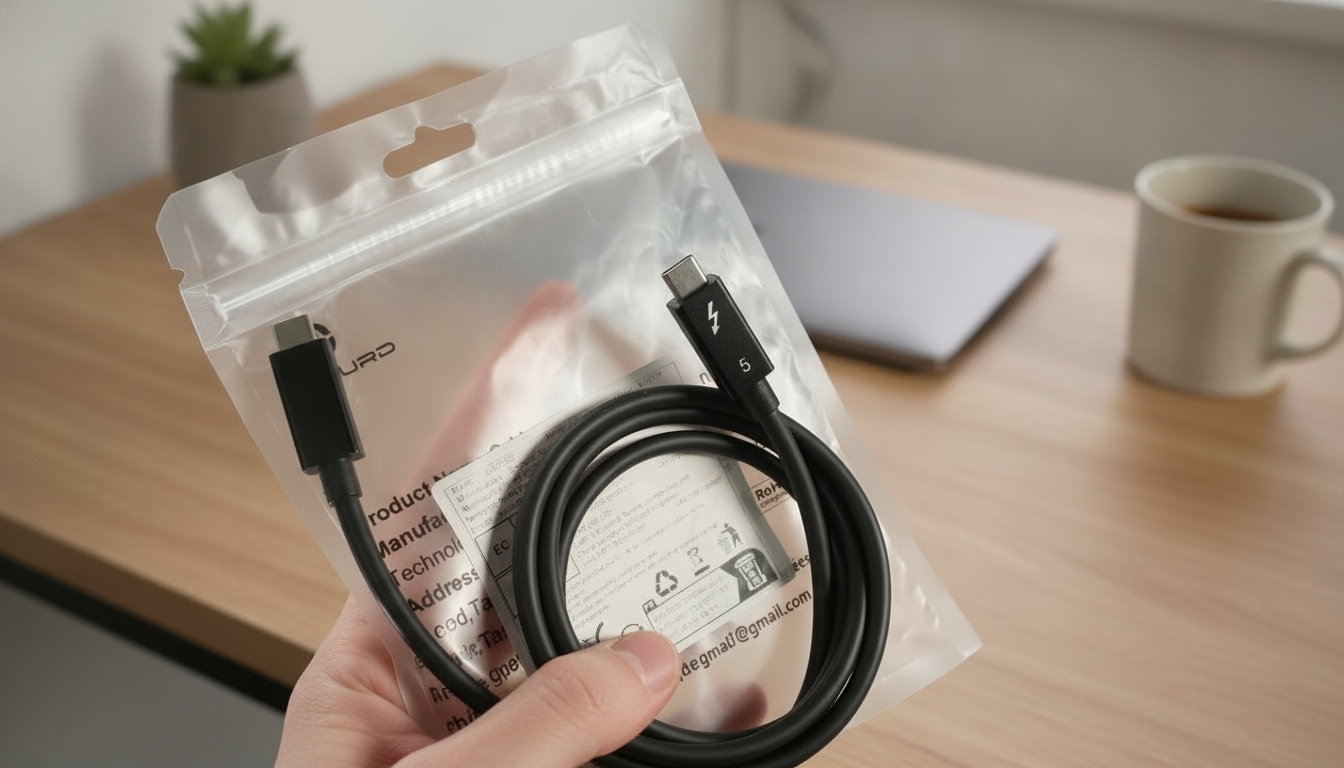
The Transformation of USB Technology
According to Novyny.live: Since its debut in the mid-1990s, the Universal Serial Bus (USB) has revolutionized how electronic devices connect, charge, and share data. Over the years, successive USB versions have emerged, each delivering different data speeds and power capabilities to keep pace with advancing technology. Understanding these differences is key to selecting the right cable for your needs.
USB Standards Explained
Launched in 2000, USB 2.0 offers a data transfer rate of 480 Mbps and a power output of 2.5 watts. This standard works well for peripherals like mice and keyboards, as well as for charging basic devices, but it can be too slow for transferring large files. Between 2008 and 2013, USB 3.0 arrived, boosting speeds to 5 Gbps and later 10 Gbps, with power increasing to 4.5 watts. This made it a better fit for external drives and faster data handling.
The latest advancement, USB4, achieves an impressive bandwidth of up to 40 Gbps. This standard enables users to connect external monitors, high-speed SSDs, and achieve maximum throughput—critical for professionals in design and video editing. Notably, the USB-C connector, measuring 8 by 2 millimeters with 24 pins, supports data transfer, video signals, and power delivery up to 100 watts.
Recently, Apple has adopted USB-C for its newer iPhone models, reflecting a broader industry trend. This shift enhances flexibility and convenience when connecting devices that demand high data speeds and efficient charging.
For most modern tasks, including rapid charging, USB 3.2 is sufficient. However, USB 3.0 and USB 3.1 remain better choices for external storage devices. Meanwhile, USB 4 becomes essential for those working with resource-intensive applications and equipment. Selecting the appropriate USB cable is crucial for achieving optimal charging speed and data transfer, highlighting how USB standards have evolved to meet the growing demands of today's tech landscape.
By transitioning to USB-C, companies like Apple are adapting to new standards, improving device usability.
- Source: Tech Review
This evolution addresses consumer needs for fast data transmission and charging while ensuring compatibility with emerging technologies. As these changes unfold, staying informed about new standards helps users choose the best solutions for their electronic devices.
Read also
- New York Breaks Ground on 373-Meter Skyscraper: The Second World Trade Center
- NVIDIA Unveils DLSS 5: Three AI Models for Gaming, Launching This Fall
- Ukraine’s Defense Ministry Unveils New Robotic Combat System ‘Mini Strike Serpent’ – Key Details Inside
- Ukraine's Drone Forces Sink 183 Russian Shadow Fleet Vessels, Unleash New Missiles and Strike Crimea
- Ukrainian Firm SkyFall Unveils P1-SUN Jetkiller Interceptor Drone: Key Details Emerge
- World’s First 500 MW Impulse Hydropower Plant Under Construction in China: Trials Succeed